

ZIB2
Wässrige Zink-Ionen Batterien
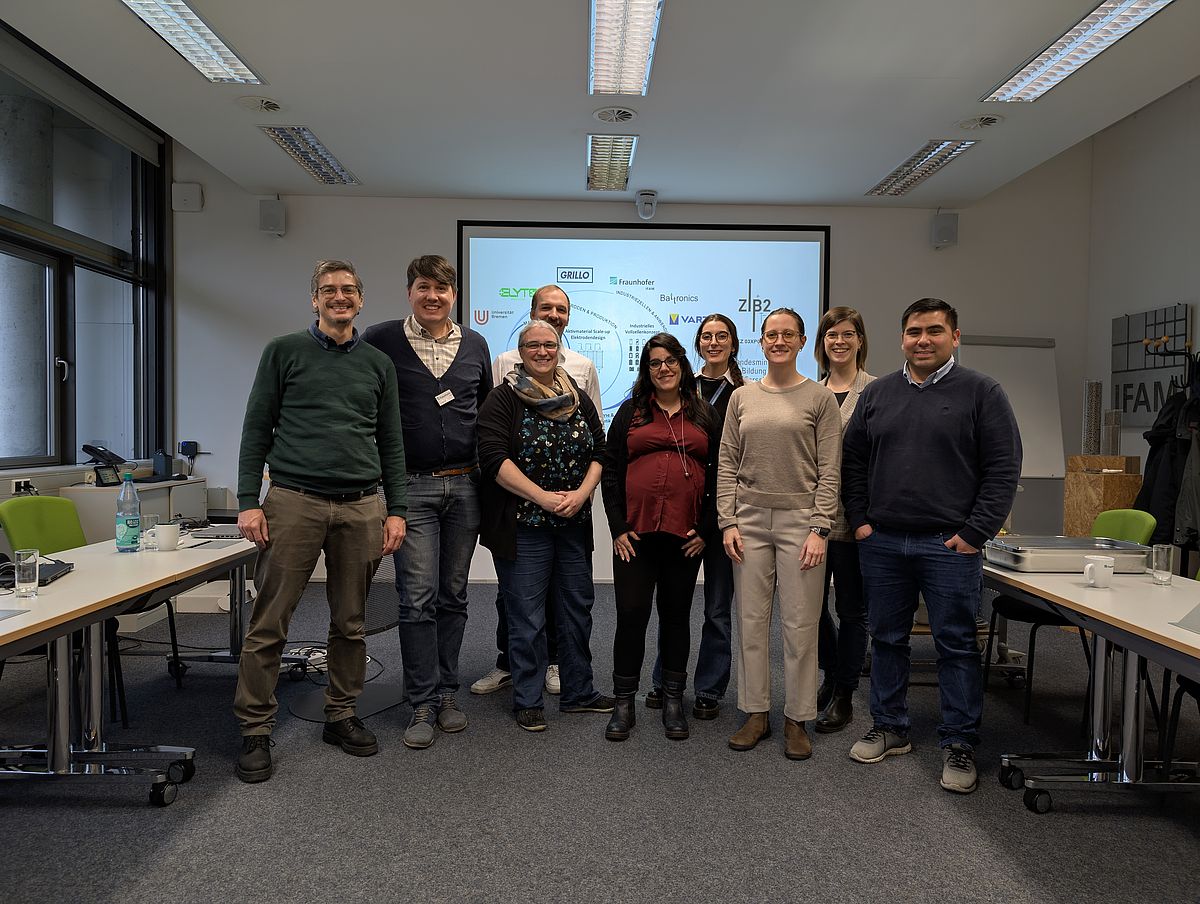
4th Project Meeting!
We are thrilled to announce that the BMBF-funded ZIB2 project is not only on track but has surpassed the expectations set in its lates milestone.
It is an incredible journey working alongside our esteemed project partners to push the boundaries of innovation in the field of aqueous zinc-ion batteries. The collaboration between Fraunhofer IFAM, VARTA AG, GRILLO-Werke AG, Battronics, E-Lyte, and Universität Bremen is driving the research forward, bringing us closer to commercializing this green and sustainable battery technology.
The target of the project is now advancing from lab-scale to demonstrator-level technology, and every step we take brings us closer to a future powered by sustainable, high-performance energy storage solutions.
A huge thank you to everyone involved for their dedication and hard work. This is just the beginning, and we can't wait to see where this collaboration will take us next!
Projektbeschreibung
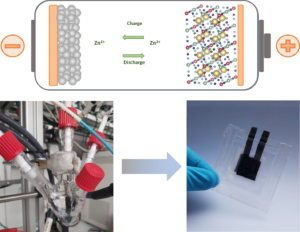
Ziel dieses Teilprojekts der Forschungsgruppe von ESECS ist es, die aktiven Materialien für wässrige Zink-Ionen-Batterien zu optimieren und die Kompatibilität zwischen den Komponenten der Zink-Ionen-Zelle zu ermitteln, um die Kommerzialisierung der wässrigen Zink-Ionen-Technologie voranzutreiben.
Um die Durchsetzung der wässrigen Zink-Ionen-Technologie auf dem Markt für stationäre Energiespeicher zu beschleunigen, ist es von größter Bedeutung, langlebige, effiziente und hochreversible Zink-Ionen-Zellen auf der Basis kostengünstiger und ungefährlicher Materialien zu entwickeln. Um dies zu erreichen, konzentrieren wir uns nicht nur auf die Entwicklung neuer Materialien, sondern auch auf die Wechselwirkungen zwischen den Zellkomponenten, die die Lebensdauer der Batterie unter realen Bedingungen beeinflussen.
Wir verfolgen hier drei Strategien:
- Entwicklung effizienter Substrate für die elektrochemische Abscheidung von Zink an der negativen Elektrode;
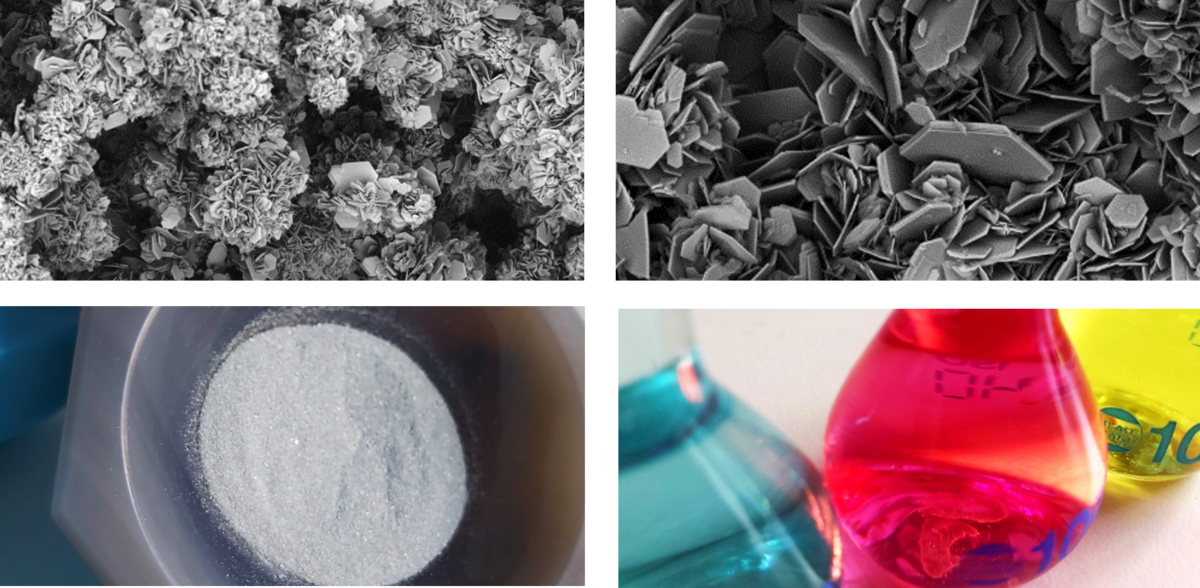
- Entwicklung nachhaltiger Analoga zu Preußischblau für die positive Elektrode;
- Identifizierung von Alterungsmechanismen, die durch unerwünschte Wechselwirkungen zwischen den Komponenten der Zink-Ionen-Zelle verursacht werden.
Fortschrittliche In-operando-Analysemethoden wie die differentielle elektrochemische Massenspektrometrie (DEMS) und die dynamische Mehrfrequenzanalyse (DMFA) werden in Verbindung mit etablierten elektrochemischen Analysemethoden eingesetzt, um die Vorgänge an den einzelnen Elektroden und zwischen den Komponenten einer Zink-Ionen-Zelle zu untersuchen. Neben der Batterieleistung werden auch die Umweltverträglichkeit, die Sicherheit und die Kosten der Materialien berücksichtigt.
Publikatikonen im Rahmen des Projektes
L. Sorrill, E. Meyer, G. Zampardi, F. La Mantia, “Multivariate Optimization of Easily Prepared Indium Substrates for Mild-Acid Zinc-Ion Batteries”,
Chemistry-Methods, 6, e202500116 (2026).(invited) DOI: 10.1002/cmtd.202500116
M. Baghodrat, F. La Mantia, G. Zampardi, “A comprehensive and critical review on the application of conductive polymers as coatings for aqueous zinc-ion battery positive electrode materials”,
J. Mater. Chem. A, 14, 2011-2029(2026).(invited) DOI: 10.1039/D5TA05963A
S. Sfiligoi, F. La Mantia, G. Zampardi, “Interference of the Reference Electrodes' Leakage on the Aging of Copper Hexacyanoferrate for Aqueous Zn-Ion Batteries",
ChemElectroChem 12, 2500101 (2025).(invited) DOI: 10.1002/celc.202500101
M. Baghodrat, G. Zampardi, F. La Mantia, “Harnessing the Benefits of PEDOT:PSS Conductive Coating for Prolonged Cycle Life of Copper Hexacyanoferrate in Aqueous Zinc-Ion batteries”,
Batteries & Supercaps 7 (2024). (invited). DOI: 10.1002/batt.202400156
M. Tribbia, J. Glenneberg, F. La Mantia, G. Zampardi, “Effect of the Current Density on the Electrodeposition Efficiency of Zinc in Aqueous Zinc-Ion Batteries”,
ChemElectroChem 11, e202300394 (2024). DOI: 10.1002/celc.202300394


Fördermittelgeber
Bundesministerium für Bildung und Forschung (BMBF)
Förderkennzeichen
03XP0523B
Projektakronym
ZIB2
Laufzeit
01.02.2023 - 30.11.2026
Fördermittelsumme
€ 684.788
Verbundkoordination
VARTA Microbattery GmbH
Gasteinrichtung
Universität Bremen
Kooperationspartnerschaften
VARTA AG, GRILLO-Werke AG, Battronics, E-Lyte, Fraunhofer IFAM