Internationalizing Scientific Exchange
In the project, the close professional exchange forms the basis for the networking of university lecturers across disciplinary and national borders. These deal with the development and implementation of joint, transnational teaching concepts in formats ranging from mutual impulses in teaching, with analogue and virtual participation, to entire collaborative seminars.
A wide range of discussions between the international partners in the preparation and implementation of various exchange formats give rise to new cooperative relationships, which are now no longer only cultivated bilaterally between Bremen and the partner locations Windhoek, Vienna, Winnipeg and Toronto, but grow into a real network through cross-connections in terms of content.
Visit in Namibia 2026
After seven years of working within the partnership and several visits from Namibia to Bremen, I now had the opportunity to visit our partners in Windhoek. It was brilliant! Their regular visits to the University of Bremen and our numerous joint school visits have so far enabled us to exchange ideas on inclusive education. I had underestimated just how significant my visit here is. Our exchange to date has been enriched by these images, encounters and shared experiences.
Precisely because so much of this is new to me, being welcomed so warmly is something very special. The rapport we have built up through our collaboration over the years has enabled me to settle in quickly and make connections. It is not only my colleagues at UNAM who have welcomed me with open arms, but also our partner school, St Barnabas, in the Katutura district in the north of Windhoek. When all my colleagues were called together so that I could be introduced and welcomed, it was a special moment that brought us closer together. Striking a balance between formality and approachability, I am being shown the ropes of everyday school life. The headteacher and I met in the spring of 2025 during International Teaching Week at our university in Bremen. We are both now enjoying swapping roles: I am being shown around the school. We can build on previous discussions and deepen them through these new experiences and perspectives.
I would have liked to have stayed at the school for longer. This opportunity is currently being taken up by a student from the University of Bremen who is on a work placement. For six weeks, she will be able to gain new experiences here and be part of St Barnabas. St Barnabas, as the oldest school for Africans (since 1923), is a special school. Read more about the school’s history here. Efforts are made to ensure all pupils can participate, for example by providing meals or raising funds from sponsors for learning materials. Some barriers to participation are similar to those found in schools in Bremen: premises, infrastructure, resources, pressure to perform or comparisons with peers. Others, such as the lack of public transport for pupils and the resulting long journeys to school, also present barriers. Special places at the school include the lovingly furnished library, the school garden and the life skills teacher’s office. The school has a mixed-age support class, with just 16 pupils instead of the usual 35–45, and a specially equipped classroom. The pupils in this class have the opportunity to learn basic skills in a more patient and playful way and, once they have mastered them, return to the mainstream classes.
This trip has once again confirmed just how similar our inclusive attitudes and visions are. It is hugely enriching to discuss these and how they are put into practice at university and in schools, and to learn from and with one another!
My learning extends beyond inclusive education. For me, as someone born in Germany, being here means engaging deeply with colonial history. Whilst this is deeply unsettling and its traces are still evident (starting with the German street names), it is encouraging to see how inclusive values, aspirations and visions contribute to ongoing decolonisation.
I would particularly like to thank our colleagues at UNAM and St Barnabas, as well as the University of Bremen and the DAAD, which supports this collaboration. Here’s to many more opportunities for exchange and mutual support in realising inclusive education in these corners of the world.
International Teaching Week 2025
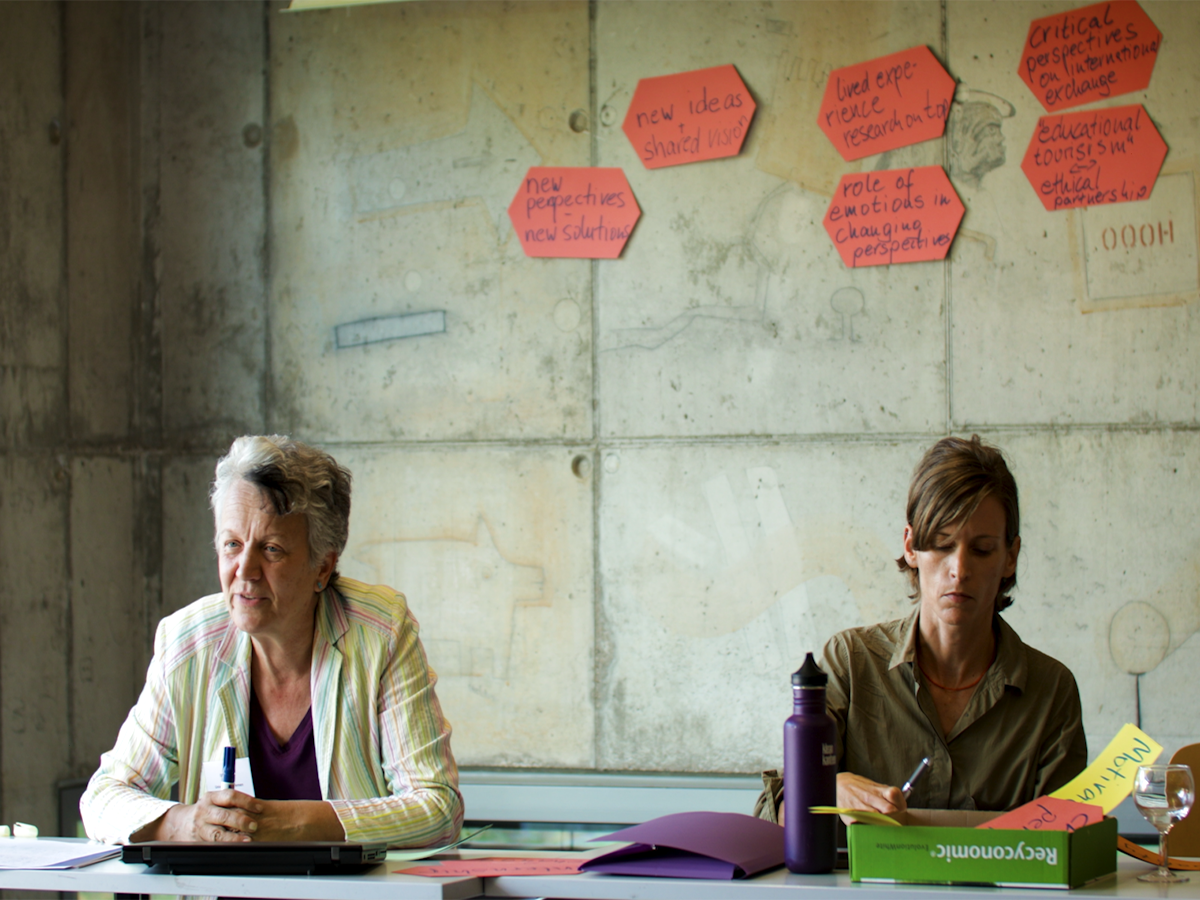
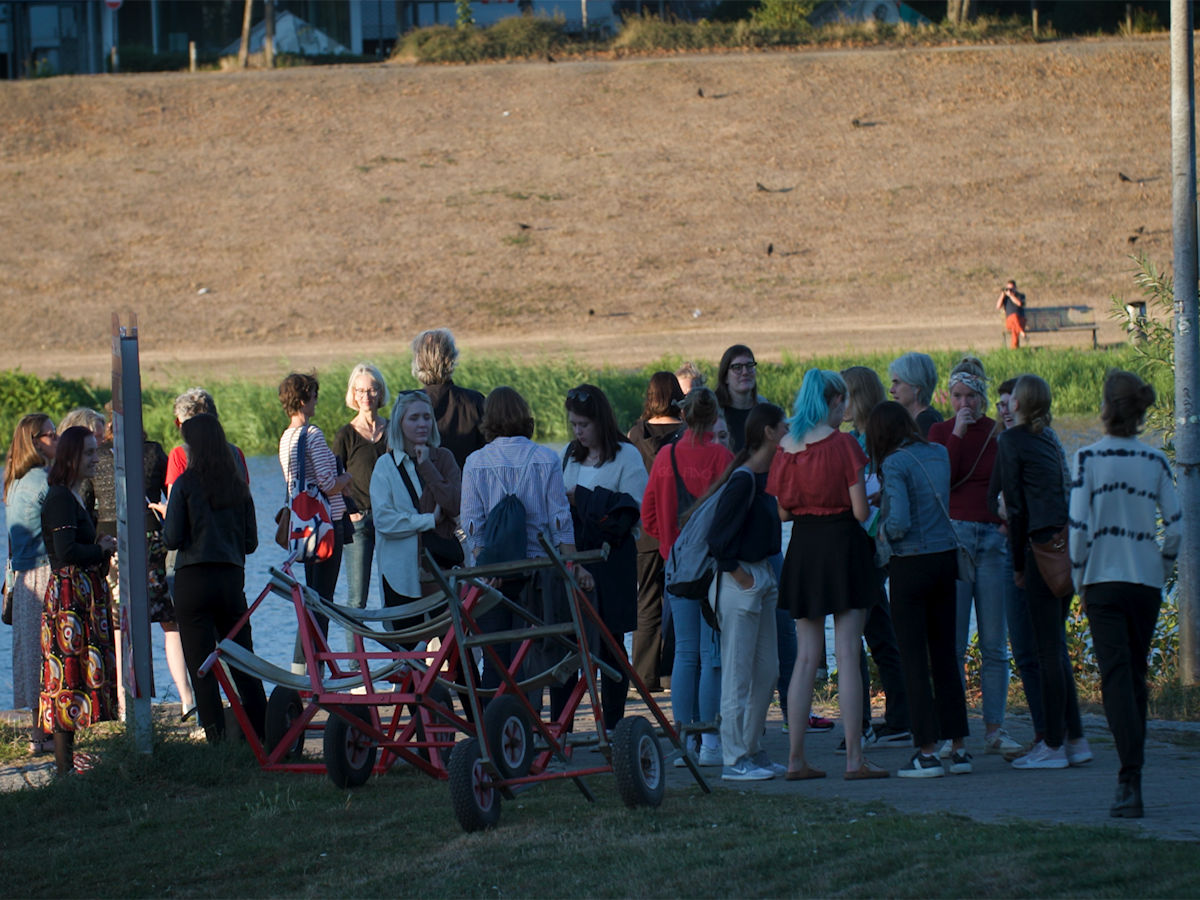
The International Teaching Week (ITW) 2025 took place from May 12-16 on the topic of “Reflecting Diversity and Inclusion.” University lecturers and school teachers from Canada, Luxembourg, Japan, Croatia, Namibia, and Austria participated in regular FB12 courses during this week. Public exchange formats invited participants to contribute their thoughts and join in discussions, and were documented in our media collection.

International Summer School: Diversity and Inclusion in Teacher Education (ISSDITE)
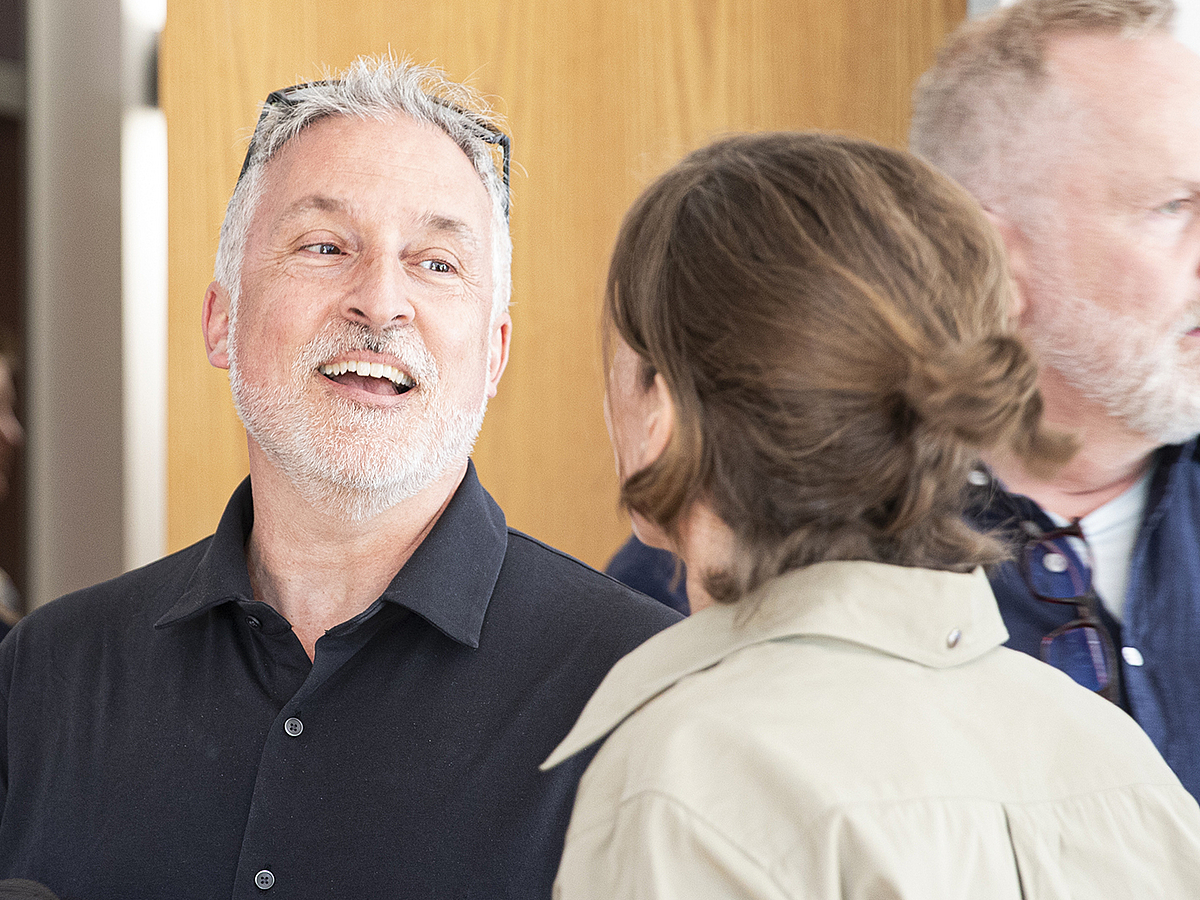
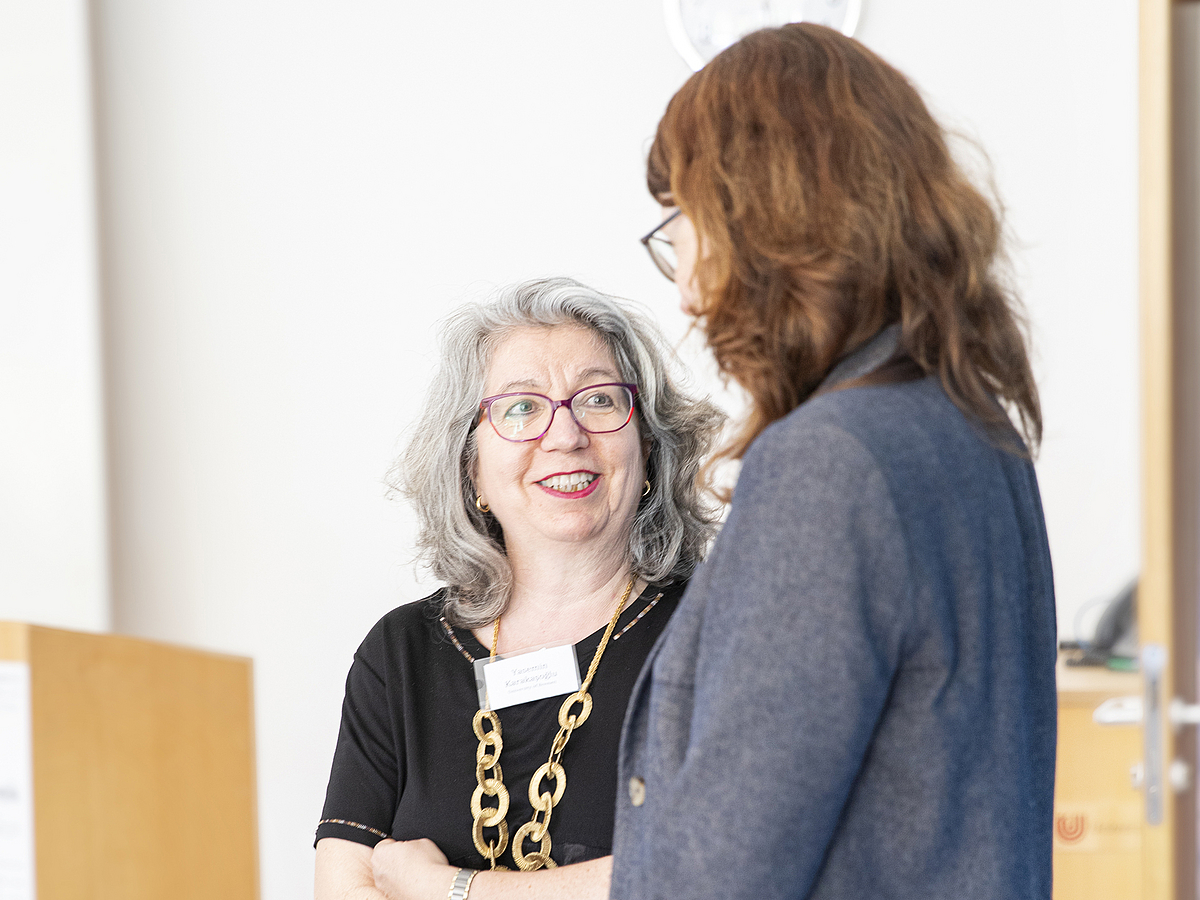
From 29 August to 2 September 2022, the International Teacher Education: Diversity and Inclusion in Teacher Education project (project phase 1) organised an international summer school. The International Summer School: Diversity and Inclusion in Teacher Education (ISSDITE), planned by Dr Dita Vogel in close collaboration with cooperation partners, brought together teachers and students from Namibia, Canada, Austria and Bremen for an intensive exchange of ideas. With a variety of diversity focal points from the international partner locations (e.g. gender, migration experience, language and dis/abilities), the International Summer School created space for reflection on teacher education and work in inclusive, intercultural classrooms.
To visit the Summer School website click this Link.
You can find our film about ISSDITE on this Link.
Expertise²
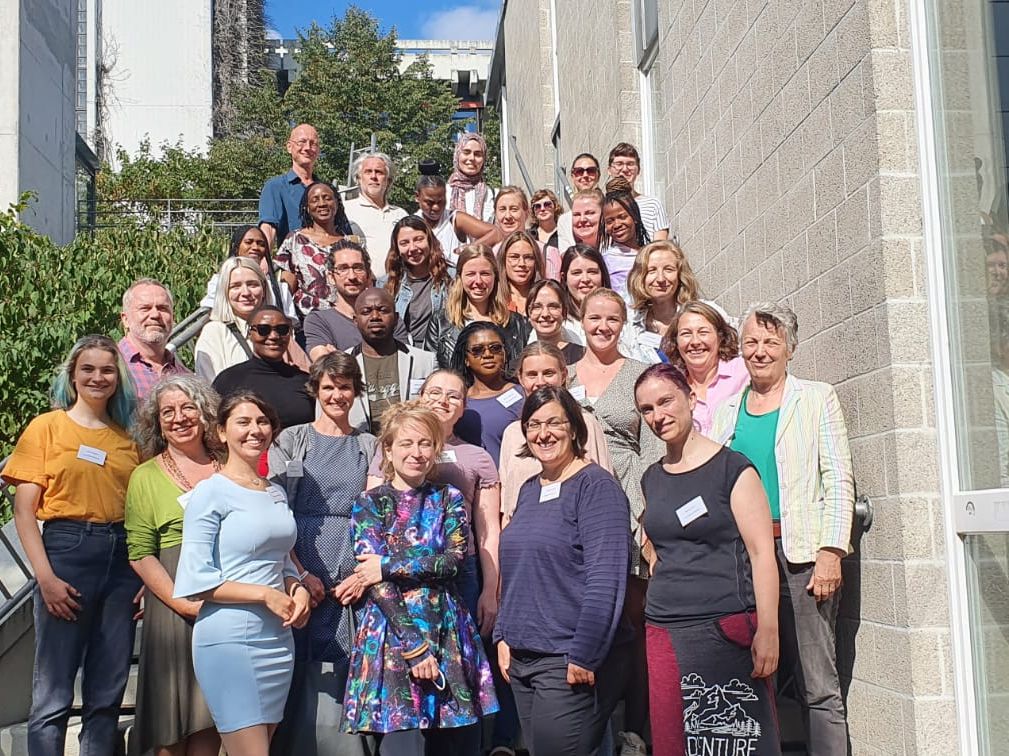
The Expertise² workshop format was used in the second project phase 2024 to create a sustainable forum for an exchange of experts between partner locations on issues relating to teacher education and work in inclusive, intercultural classrooms.