Research
We focus primarily on the role of chemical compounds in the communication and interaction between fungi and other organisms.
While the role of chemical signaling substances in plant defense against insect pests for example, by attracting the pests’ natural enemies has been and continues to be studied extensively, there have been only a few studies on chemical ecology in fungi to date.
We recently demonstrated that the orange-red mealy disc (Aleurodiscus amorphus) can release hydrocyanic acid in the wild via an oxidative mechanism previously unknown in nature by converting aleurodisconitrile into aleurodiscoester, thereby effectively protecting itself from predators.
Higher fungi produce numerous bioactive secondary metabolites whose structures differ significantly from those found in plants. We isolate new natural compounds from higher fungi and also seek to clarify their significance for the fungus in question.
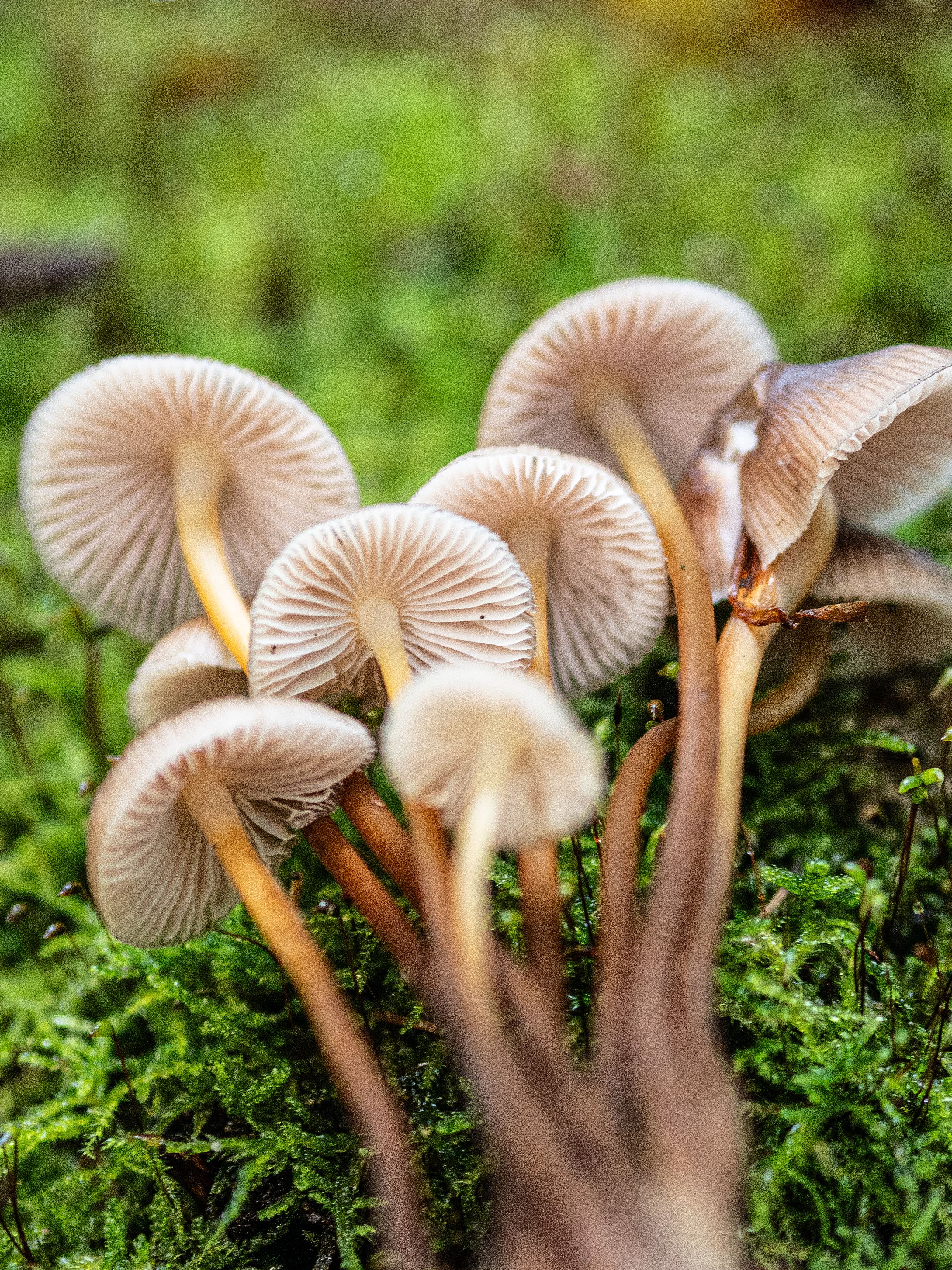
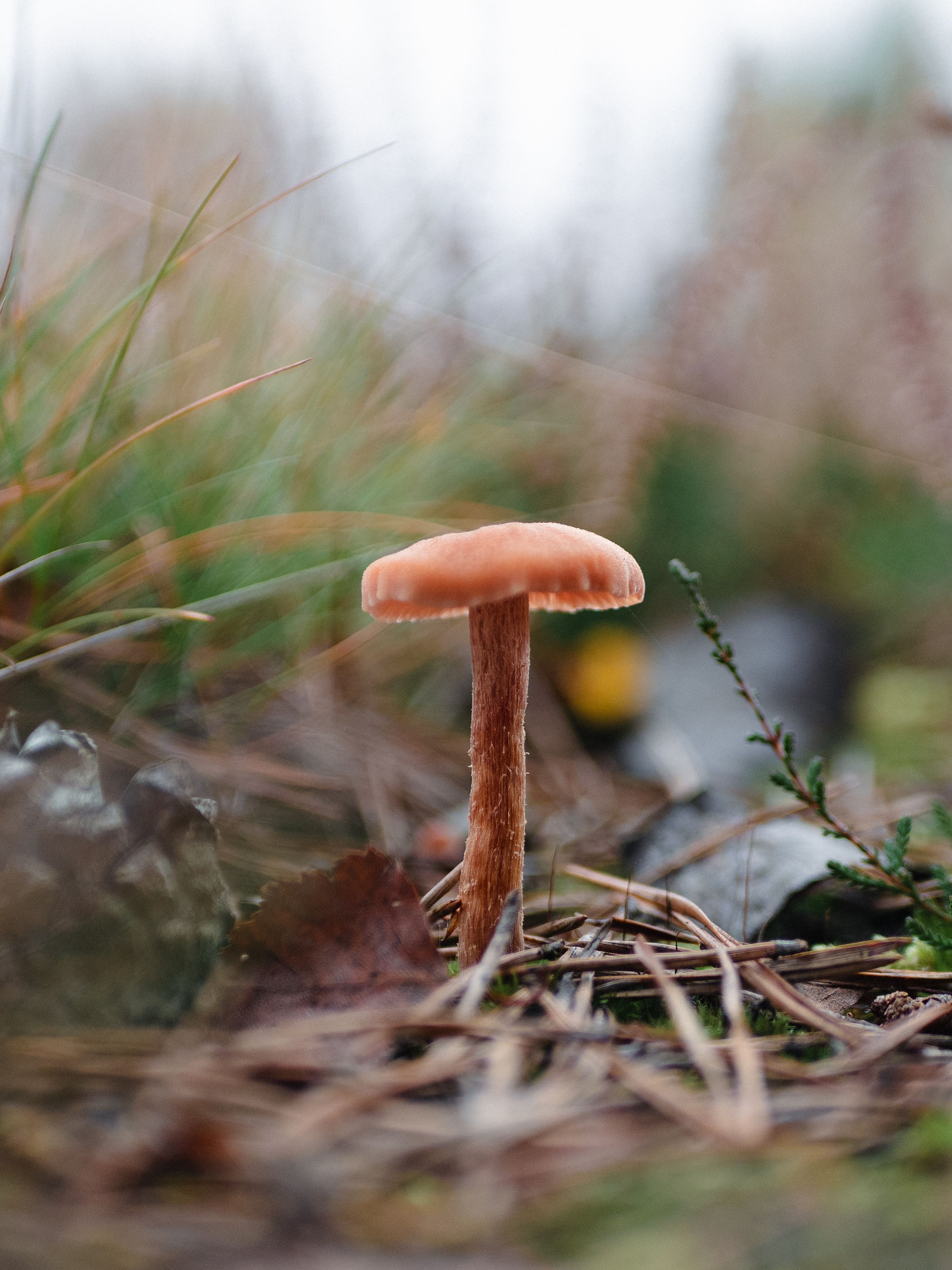
Among other things, we discovered a number of novel pyrroloquinoline alkaloids, such as mycenarubin A, sanguinon A, and haematopodin B, in various species of Mycena (e.g., Mycena rosea).
Until now, alkaloids of this type have been found almost exclusively in marine organisms. Some of these marine compounds have attracted considerable interest because of their antitumor activity.
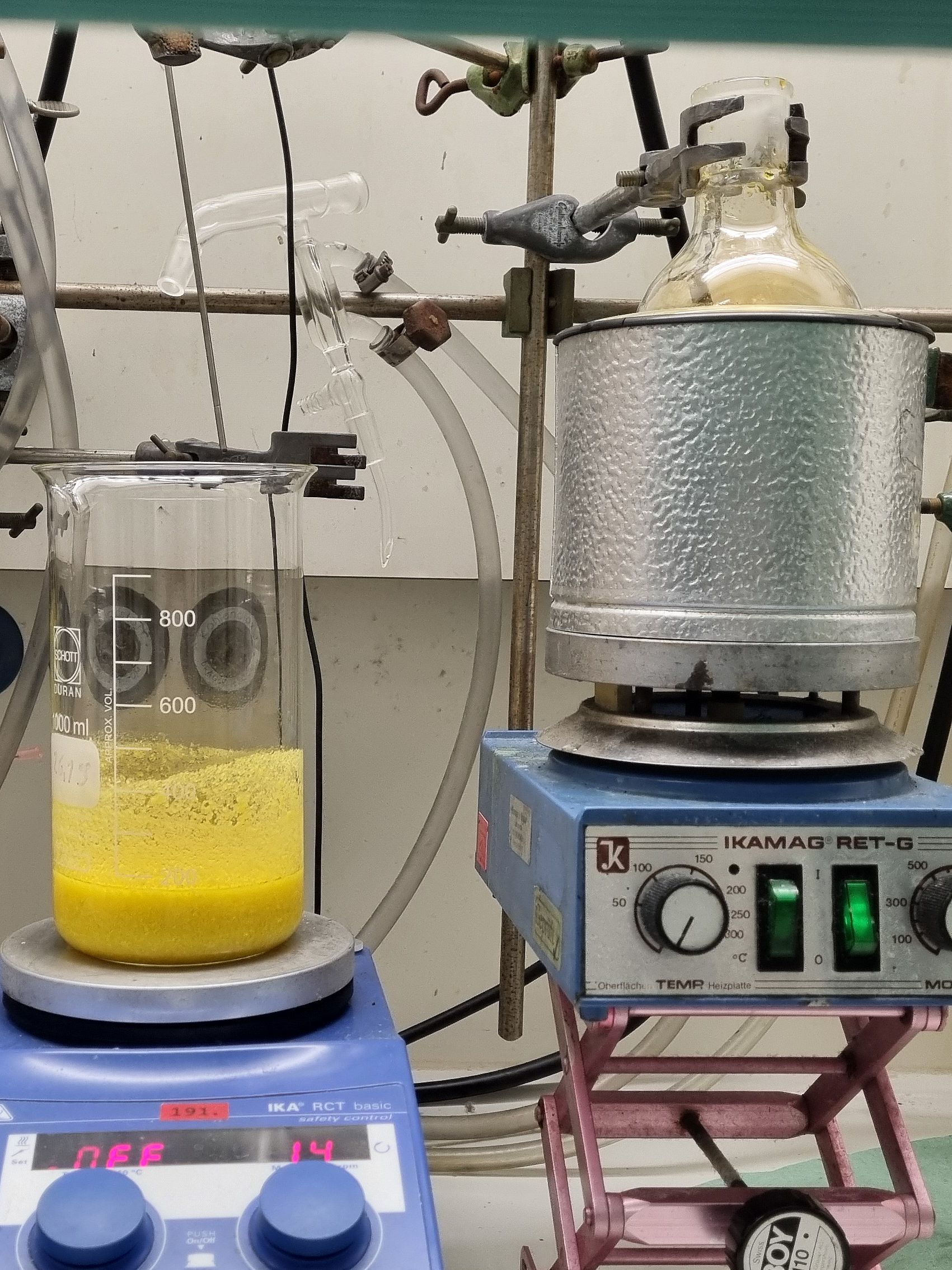
To confirm structures and elucidate configurations, we perform partial and total syntheses of selected natural products.
Through feeding experiments using isotope-labeled potential biosynthetic precursors, we are elucidating the biosynthesis of selected natural products.