
Laboratories
TQ-ICP-MS
...means triple-quadrupole inductively coupled plasma mass spectrometry. We use a Thermo iCAP MTX-900 for quantitative analysis of trace and ultratrace elements in geological and non-geological samples.
find out more: TQ-ICP-MS
LA-ICP-MS
...means laser ablation-inductive coupled plasma mass spectrometry. We use an Artifact193 laser ablation system from Elemental Scientific Lasers for quantitative analysis of different types of solid sample materials.
find out more: LA-ICP-MS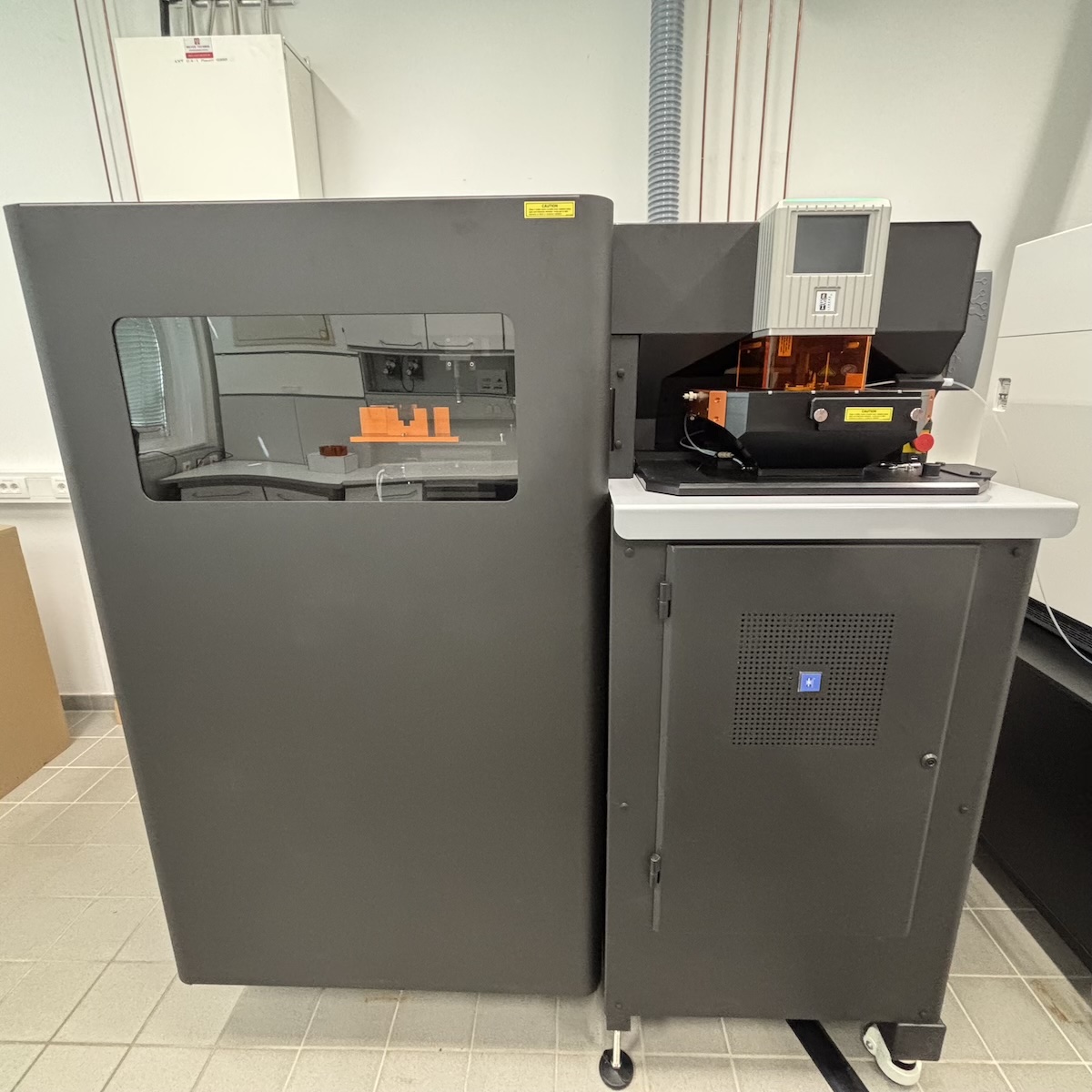
FESEM & EDX
...stands for field emission scanning electron microscopy and energy dispersive X-ray spectroscopy. Our lab is equipped with the field emission electron microscope ZEISS SUPRA 40 and a Bruker XFlash 6|30 EDX detector.
find out more: FESEM & EDX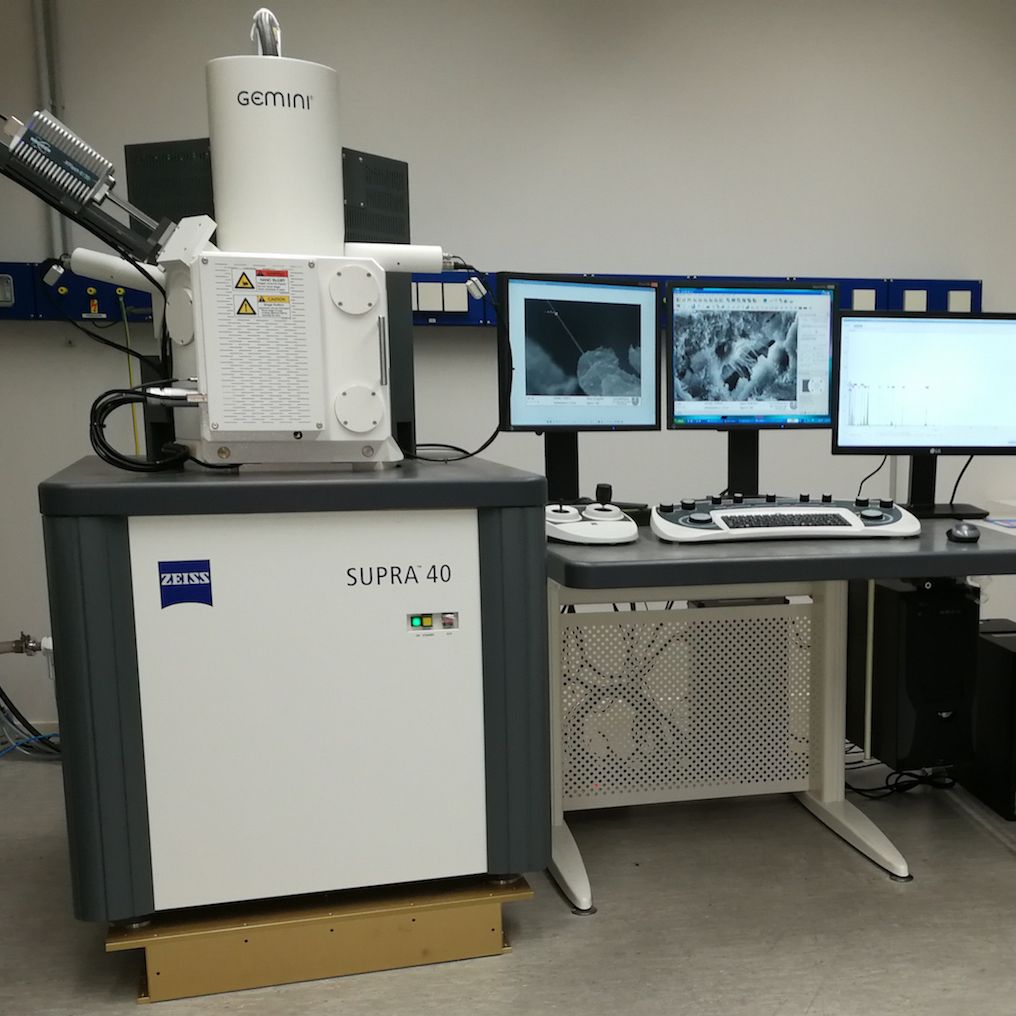
EPMA
...means electron probe micro analysis. We use a Cameca XS100 electron beam microprobe, for high spatial resolution and non-destructive analysis of element concentrations in non-geological and geological samples.
find out more: EPMA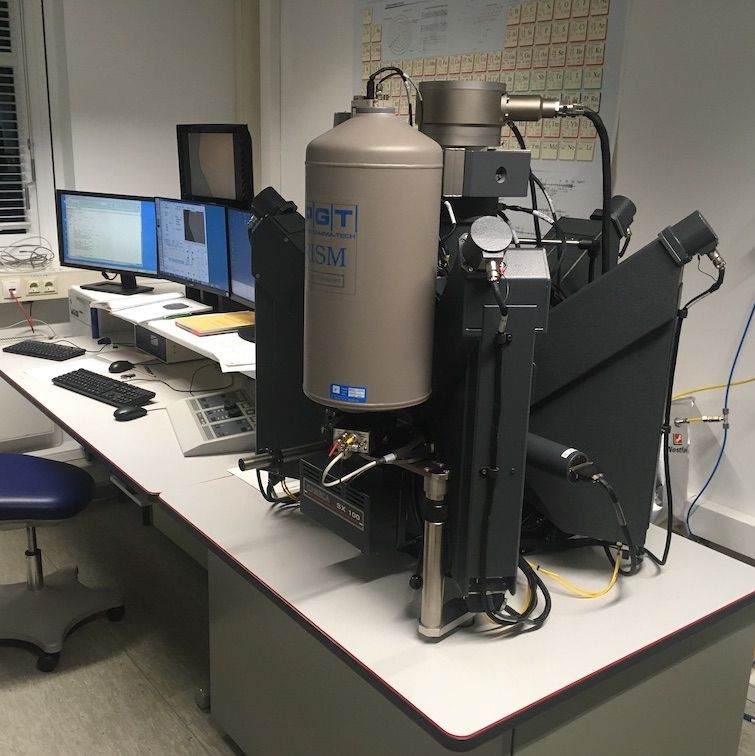
X-ray µ-CT
...means X-ray microtomography. At the department of Geosciences at the University of Bremen we use a ProCon CT-ALPHA X-ray microtomograph to non-destructively determine the spatial distribution of matter inside a sample.
find out more: X-ray µ-CT
Dickson-Type reactor
...is a closed-system reactor designating an experimental arrangement originally described by Dickson et al. (1963), used to simulate various processes occurring in hydrothermal systems under laboratory conditions.
find out more: Dickson-Type reactor
X-Ray transparent flow-through reactor
X-ray transparent flow reactors refer to an experimental setup that in our laboratory at Bremen University is used to simulate flow-dependent water-rock interactions under laboratory conditions.
find out more: X-Ray transparent flow-through reactor