Archive


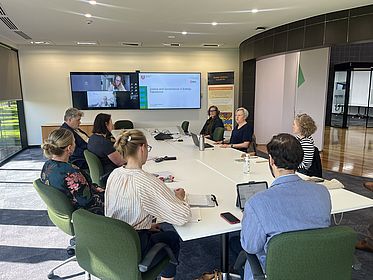
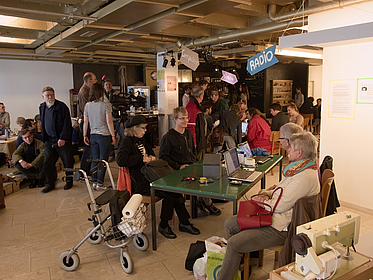
In a conference room, people are sitting around a table listening to Stefanie Baasch’s presentation; other online participants can be seen on screens on the wall.

Discussing Just Energy and Hydrogen Transitions in Germany and Australia

PD Dr Stefanie Baasch is bringing together expertise from Bremen and Australia on the social dimensions of the energy transition through the establishment of an international research collaboration – she was recently invited to Gippsland for discussions on this topic

find out more: Discussing Just Energy and Hydrogen Transitions in Germany and Australia

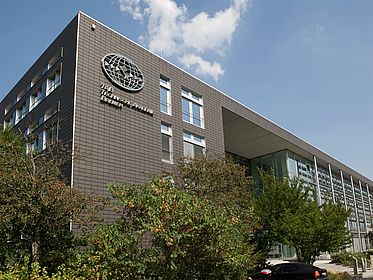
Outside view of the ECO 5/TAB building

We have moved!

We are now located on the 2nd floor of the ECO 5 building (entrance A) at Am Fallturm 1, 28359 Bremen

find out more: We have moved!

A stone-paved footpath leads through a wild meadow to a white house with a sign saying ‘Bicycle hire’.

Mobility cultures in the Ellener Hof bicycle neighbourhood – A new analytical and design framework for local mobility concepts

In a new artec paper, Leandra Schmeißer applies the concept of mobility cultures to the Ellener Hof neighbourhood in Bremen in order to better understand everyday mobility there. This new approach provides valuable insights for the mobility transition at the neighbourhood level

find out more: Mobility cultures in the Ellener Hof bicycle neighbourhood – A new analytical and design framework for local mobility concepts

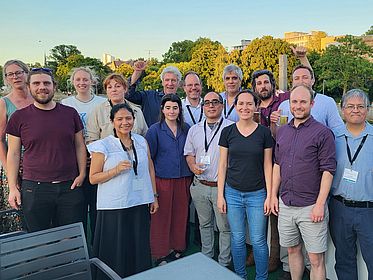
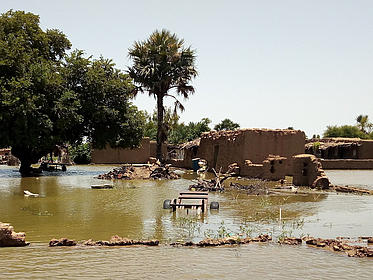
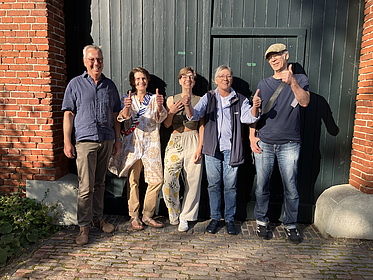
Group photo of the members of the Humboldt Tipping project on a river ferry

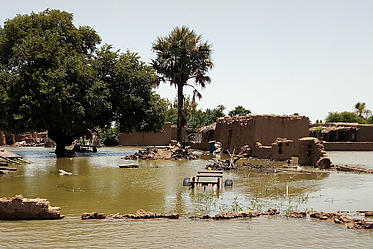
How do tipping points emerge, and how can they be mitigated? GlobalTip concludes successfully with a closing conference

Projects funded by the BMFTR's GlobalTip initiative investigated various regions of the world where ecosystems are at risk of tipping. The initiative concluded with a conference held in Frankfurt am Main on 1–2 July 2025, where artec presented results of the Humboldt Tipping sub-project.

find out more: How do tipping points emerge, and how can they be mitigated? GlobalTip concludes successfully with a closing conference

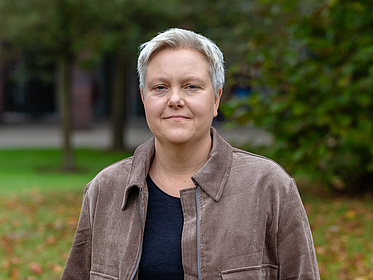
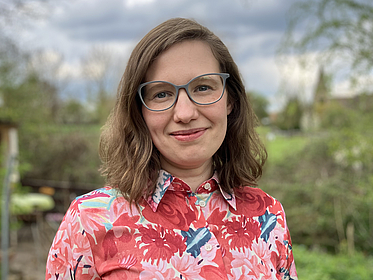
Photo of Stefanie Baasch

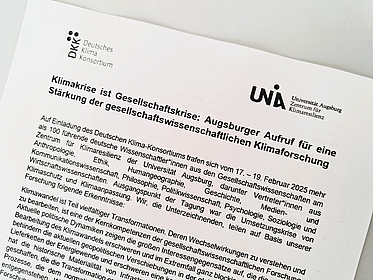
“Climate Action Needs Social Sciences”

In an interview with the U Bremen online magazine up2date, artec’s Stefanie Baasch explains why the Augsburg Appeal (Augsburger Aufruf) calls for human geography, sociology, and other disciplines to play a greater role

find out more: “Climate Action Needs Social Sciences”

Klimamarkt Ammerland 2024

Cooperation and continuity: Klimamarkt Ammerland

The Lower Saxony initiative ‘Klimamarkt Ammerland’, which ethnologist Werner Krauß helped to found, is an example of co-operation between science and society and of continuity in scientific commitment beyond the duration of individual projects.

find out more: Cooperation and continuity: Klimamarkt Ammerland

Close-up of the sea with waves and spray

Blue Sustainability

The latest report from the artec Sustainability Research Center focusing on the topic of ‘Blue Sustainability’ has been published online

find out more: Blue Sustainability

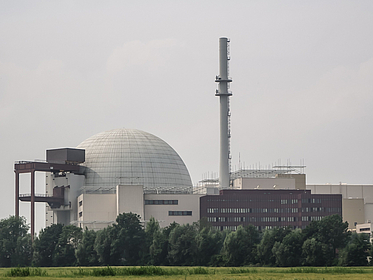
Ansicht des Reaktorgebäudes und Schornstein des Atomkraftwerks Brokdorfs vor grauem Himmel, im Vordergrund eine grüne Wiese und Laubbäume

A nuclear power plant – an industrial monument?

In an artec paper back in 2017, Julia Kieselhorst examined whether a decommissioned nuclear power plant qualifies as an industrial monument. With the last remaining nuclear power plants in Germany going off the grid on 15 April 2023, the idea gains new relevance

find out more: A nuclear power plant – an industrial monument?

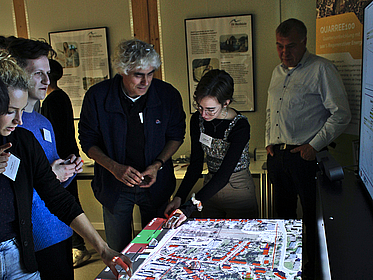
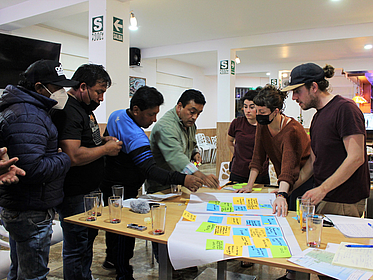
Workshop-Teilnehmer:innen stehen um einen Tisch, auf den die Grundrisse einer Stadt projiziert sind

QUARREE100: Participation workshops in Heide

In the QUARREE100 project, members of artec and the Department for Resilient Energy Systems successfully tested a new interactive decision support tool at workshops with experts and citizens of the city of Heide

find out more: QUARREE100: Participation workshops in Heide

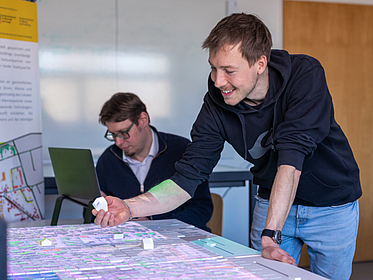
Zwei Personen stehen und sitzen an einem beleuchteten Planungstisch, eine Person hält ein Miniaturhaus in der Hand

The Climate-Neutral City District – Here's How It Could Work

The online magazine up2date of the University of Bremen reports in detail about the project "Quarree100", in which scientists from the artec Research Center for Sustainability and the Department of Resilient Energy Systems are researching on the transformation of the energy system

find out more: The Climate-Neutral City District – Here's How It Could Work

Call for Papers

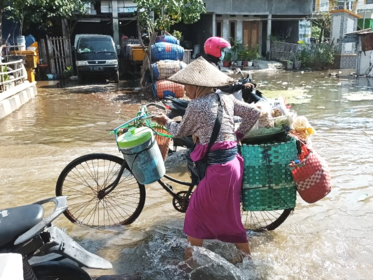
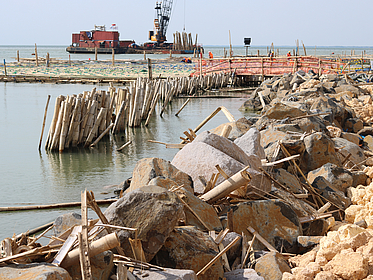
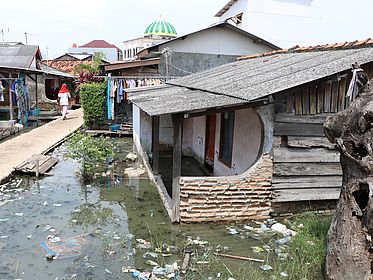
International Symposium "Translating Sea-Level Change in Urban Life: Policies, Practices and their Intersections in Island Southeast Asia" on May 28/29 2018 in Jakarta

find out more: Call for Papers

artec colloquium in summer term 2016

The colloquium of the Sustainability Research Center (artec) in summer term 2016 starts on 9 May, 2016, with a lecture of Frauke Urban and Johan Nordensvard "Low carbon energy transitions in Europe and Asia: opportunities and challenges". All lectures will take place at the Sustainabilty Research…

find out more: artec colloquium in summer term 2016

Archiv artec| Archiv artec 2015|

Call for Papers

Workshop “Denaturalizing Climate Change: Perspectives for Critical Adaptation Research”, Oaxaca, Mexico, 28 - 30 September, 2016.

find out more: Call for Papers

Archiv artec 2015|

International Conference in Ghana

Michael Flitner and Johannes Herbeck from the Sustainability Research Center (artec) have organised an international conference in Ghana in cooperation with their project partners within the project "New regional formations: Rapid environmental change and migration in coastal regions of Ghana and…

find out more: International Conference in Ghana

Archiv artec 2014|

Lecture

"Man's Greatest Lake": The Volta River Project and the Dream of Development in Ghana

find out more: Lecture

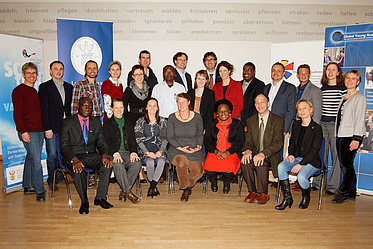
Gruppenbild Leopoldina
Archiv artec 2013|

Report

Workshop "Socio-Ecological Novelty – Frontiers in Sustainability Research"

find out more: Report

Archiv artec 2008|

New Publication

Climate Change and Biodiversity for Food and Agriculture: Taking systemic and second order effects into account by Michael Flitner / Johannes Herbeck

find out more: New Publication