
Unlearn the Ivory Tower – Part II: Rethinking Power, Strengthening Solidarity
Symposium on 13 November 2025
The symposium ‘Rethinking Power, Strengthening Solidarity’ addresses issues of solidarity and allyship in the higher education and science system. The individual formats encourage participants to critically question, reflect on, unlearn and redefine existing structures, narratives and routines. The events are aimed at various target groups such as administrative staff, professors, postdocs and lecturers.
‘Unlearn the Ivory Tower II’ is part of BIG, in collaboration with the Diversity Office and Faculty 09 (Cultural studies).
Das Symposium „Rethinking Power, Strengthening Solidarity” befasst sich mit Fragen der Solidarität und Allyship im Hochschul- und Wissenschaftssystem. Die einzelnen Formate regen dazu an, bestehende Strukturen, Narrative und Routinen zu kritisch hinterfragen, zu reflektieren, zu ver-lernen und Neue zu entwickeln. Die Veranstaltungen richten sich an verschiedene Zielgruppen wie Verwaltungsmitarbeiter*innen, Professor*innen, Postdocs und Lecturers.
„Unlearn the Ivory Tower II” ist Teil des Projekts BIG, in Zusammenarbeit mit der Arbeitsstelle Diversität sowie dem Fachbereich 9 (Kulturwissenschaften).
Programme (13/11/2025)
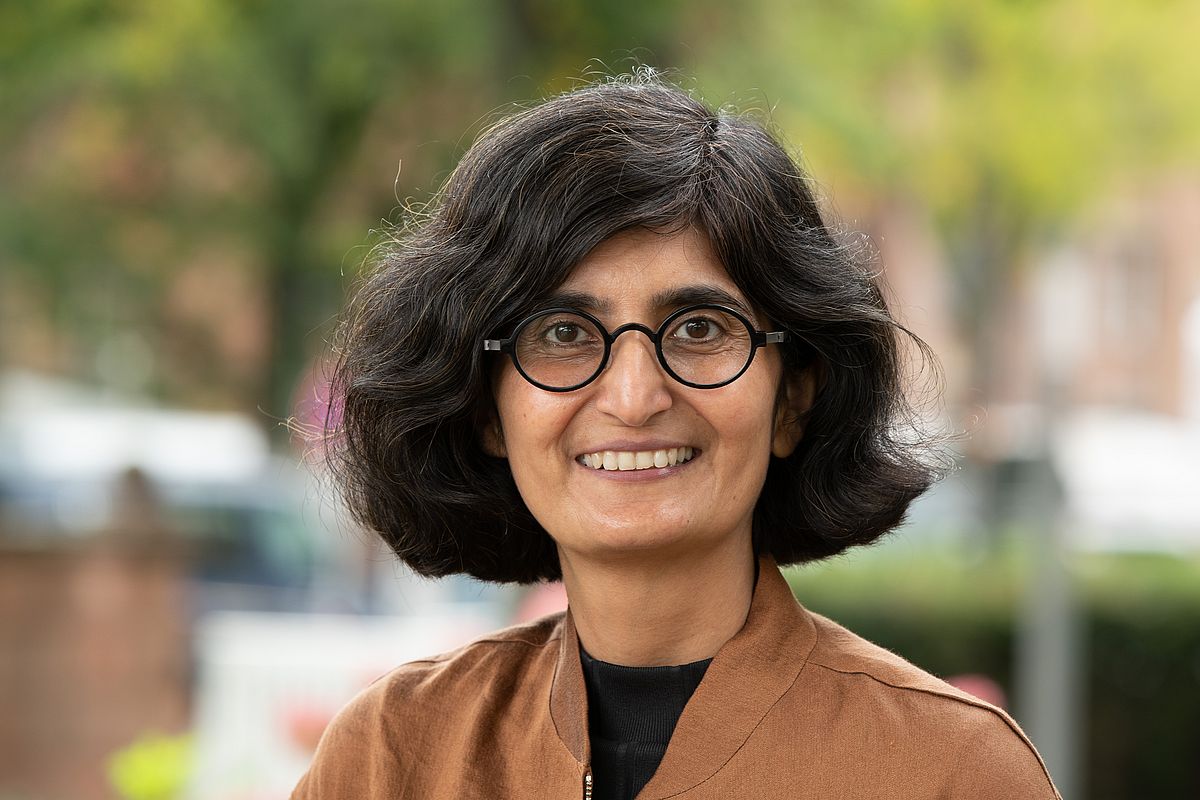
One of the cursed legacies of authoritarianism is that it pits one vulnerable group against the other, sowing distrust and hostility. Isolating individuals and groups renders them politically impotent and robs them of agency. Segregation is a fertile ground for totalitarianism, in that it makes it impossible to act together. Here we encounter the challenge of the “attention economy,” where minorities compete against each other to raise awareness for their causes and concerns. In such a scenario, there is the danger of inverting the feminist principle of the “personal is political” to “only the personal is political.” This approach reduces politics to self-interest, both individual and collective. As an antidote to neoliberal “divide and rule” tendencies, it is urgent to actively and effectively seek and build alliances by focusing on the intertextuality of our narratives and struggles. My talk will explore the challenges of building coalitions across distinct forms of vulnerabilities and agencies. I will argue that the counterforce to tyranny and terror is to build and nurture alliances across difference. Shared experiences and affinities create collectivities, where we listen to each other and find our own voices.
Nikita Dhawan holds the Chair in Political Theory and History of Ideas at the Technical University Dresden. Her research and teaching focuses on global justice, human rights, democracy and decolonization. She received the Käthe Leichter Award in 2017 for outstanding achievements in the pursuit of women's and gender studies and in support of the women's movement and the achievement of gender equality. Selected publications include: Impossible Speech: On the Politics of Silence and Violence (2007); Decolonizing Enlightenment: Transnational Justice, Human Rights and Democracy in a Postcolonial World (ed., 2014); Reimagining the State: Theoretical Challenges and Transformative Possibilities (ed., 2019); Rescuing the Enlightenment from the Europeans: Critical Theories of Decolonization (forthcoming, Duke University Press). In 2023, she was awarded the Gerda-Henkel-Visiting Professorship at Stanford University and the Thomas Mann Fellowship in Los Angeles.
Questions and comments after the keynote are welcome in both German and English.
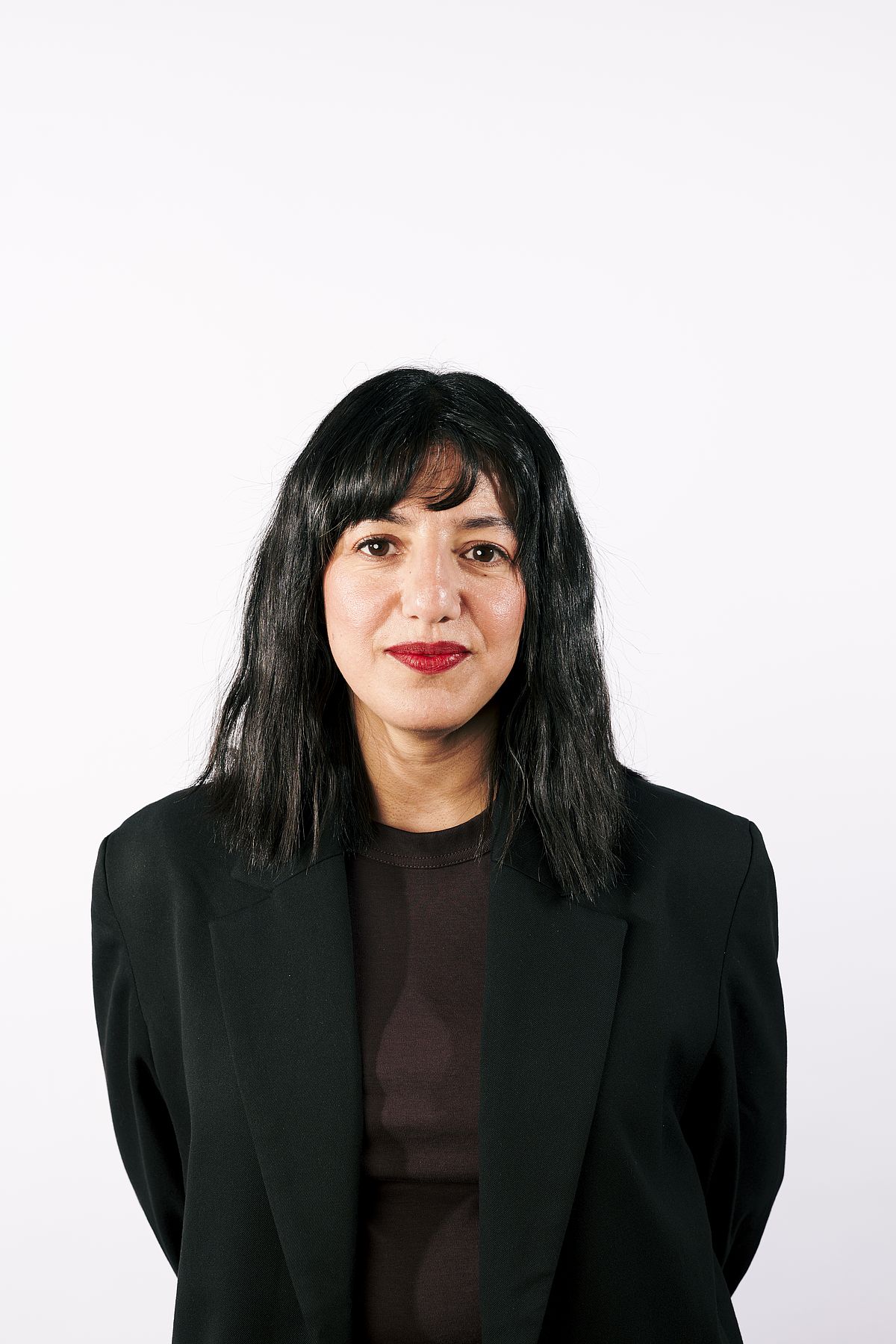
Der Workshop lädt die Teilnehmenden ein, die historischen Ursprünge der Academia zu erkunden und kritisch zu reflektieren, welche Machtstrukturen ihre Entwicklung geprägt haben. Woher kommt „Academia“ – und welche Perspektiven, einschließlich feministischer, queerer, migrantischer und muslimischer Stimmen, sind im Laufe der Geschichte unsichtbar geblieben?
Ein Blick in die Geschichte zeigt, dass die erste Universität weltweit von einer muslimischen Frau in Fes gegründet wurde – ein Beispiel dafür, wie bedeutende Beiträge häufig übersehen oder aus dominanten Narrativen verdrängt wurden. Anhand historischer Analysen, interaktiver Diskussionen und kollektiver Reflexion werden eurozentrische Narrative in der Wissensproduktion sichtbar gemacht und ihre Instrumentalisierung durch institutionelle Hierarchien untersucht. Besonderes Augenmerk liegt auf feministischen, queeren, migrantischen und muslimischen Perspektiven, die bisher oft übersehen wurden, und darauf, wie diese neue Möglichkeiten für Empowerment eröffnen. Die Teilnehmenden sind eingeladen, eigene Erfahrungen einzubringen, dominante Erzählungen zu hinterfragen und alternative, inklusive Wege für akademische Praxis zu entwickeln. Der Workshop eröffnet ein machtkritisches Feld innerhalb der Academia und bietet Raum, strukturelle Ungleichheiten zu erkennen und zu diskutieren.
Fatima Remliist eine engagierte freischaffende Autorin, Drehbuchautorin, Trainerin, Moderatorin und Podcasterin. Ihre Arbeit verbindet feministische, queere, migrantische und muslimische Perspektiven, um unsichtbare Narrative sichtbar zu machen und alternative Formen der Wissensproduktion zu eröffnen. Sie beschäftigt sich mit geflüchteten Menschen, muslimischem Feminismus und der Sichtbarkeit der maghrebinischen Diaspora. Neben journalistischer Arbeit verfasst sie auch lyrische Texte als politische Stimme. Politisch aktiv ist sie bundesweit und hat gemeinsam mit Eckstein-Kovács Ráhel und Kris Bublevskaya den Dokumentarfilm „Die Farben des Bleibens“ über marokkanische Arbeiterinnen veröffentlicht. In ihren Projekten entwickelt sie Strategien, die historische Analyse mit Empowerment verbinden, mit dem Ziel, Räume für kollektive Selbstermächtigung und kritische Reflexion zu schaffen
The workshop invites participants to explore the historical origins of academia and critically reflect on the power structures that have shaped its development. Where does "academia" come from, and which perspectives - including feminist, queer, migrant, and Muslim voices - have remained invisible throughout history?
A look into history reveals that the world's first university was founded by a Muslim woman in Fez - an example of how significant contributions are often overlooked or suppressed by dominant narratives. Through historical analyses, interactive discussions, and collective reflections, eurocentric narratives in knowledge production will be made visible, and their instrumentalization by institutional hierarchies will be examined. Special attention will be given to feminist, queer, migrant, and Muslim perspectives, which have often been neglected, as well as to how these can open up new avenues for empowerment. Participants are encouraged to share their own experiences, challenge dominant narratives, and develop alternative, inclusive approaches to academic practice. The workshop opens a critical field within academia and provides space to recognize and discuss structural inequalities.
Fatima Remli is a dedicated freelance author, screenwriter, trainer, moderator, and podcaster. Her work connects feminist, queer, migrant, and Muslim perspectives to make invisible narratives visible and to create alternative forms of knowledge production. She focuses on refugees, Muslim feminism, and the visibility of the Maghrebi diaspora. In addition to her journalistic work, she also writes lyrical texts as a political voice. Actively engaged in political work across the country, she co-produced the documentary "The Colors of Staying" with Eckstein-Kovács Ráhel and Kris Bublevskaya, which highlights Moroccan female workers. In her projects, she develops strategies that combine historical analysis with empowerment to create spaces for collective self-empowerment and critical reflection.

Der Workshop lädt dazu ein, die eigene Positionierung im Kontext von Rassismus zu reflektieren. Was brauche ich – und was kann ich geben?
Mithilfe interaktiver Übungen werden Formen von Solidarität und Verbündet-Sein ausgelotet, um Verantwortung sichtbar zu machen und die unterschiedlichen Wirkungen von Rassismus zu berücksichtigen. Das Ziel besteht darin, Selbstreflexion als Grundlage für eine solidarische Praxis im Hochschulkontext zu stärken.
Josephine Apraku ist Afrikawissenschaftler*in, Autor*in, Podcaster*in und Referent*in für intersektionale rassismuskritische Bildungsarbeit.
Neben mehreren Sach- und Kinderbüchern hat Josephine unter anderem für Magazine wie das Missy Magazine oder Vogue Germany geschrieben. Außerdem organisiert Josephine die monatliche Soli-Lesereihe »In guter Gesellschaft«, mit der Geld für Initiativen gesammelt wird. Josephines Arbeit bewegt sich zwischen Kritik und Utopie – mit dem Ziel, Unterdrückung sichtbar zu machen und kollektive Veränderung anzustoßen.
The workshop invites participants to reflect on their own positioning in the context of racism. What do I need - and what can I contribute?
Through interactive exercises, forms of solidarity and allyship will be explored to make responsibility visible and to take into account the different ways in which racism operates. The aim is to strengthen self-reflection as a foundation for a practice of solidarity within the university context.
Josephine Apraku is an African Studies scholar, author, podcaster, and educator focusing on intersectional, anti-racist education. In addition to several nonfiction and children’s books, Josephine has written for magazines such as Missy Magazine and Vogue Germany. Josephine also organizes the monthly solidarity reading series In guter Gesellschaft, which raises funds for grassroots initiatives. Their work moves between critique and utopia - with the aim of making oppression visible and fostering collective transformation.
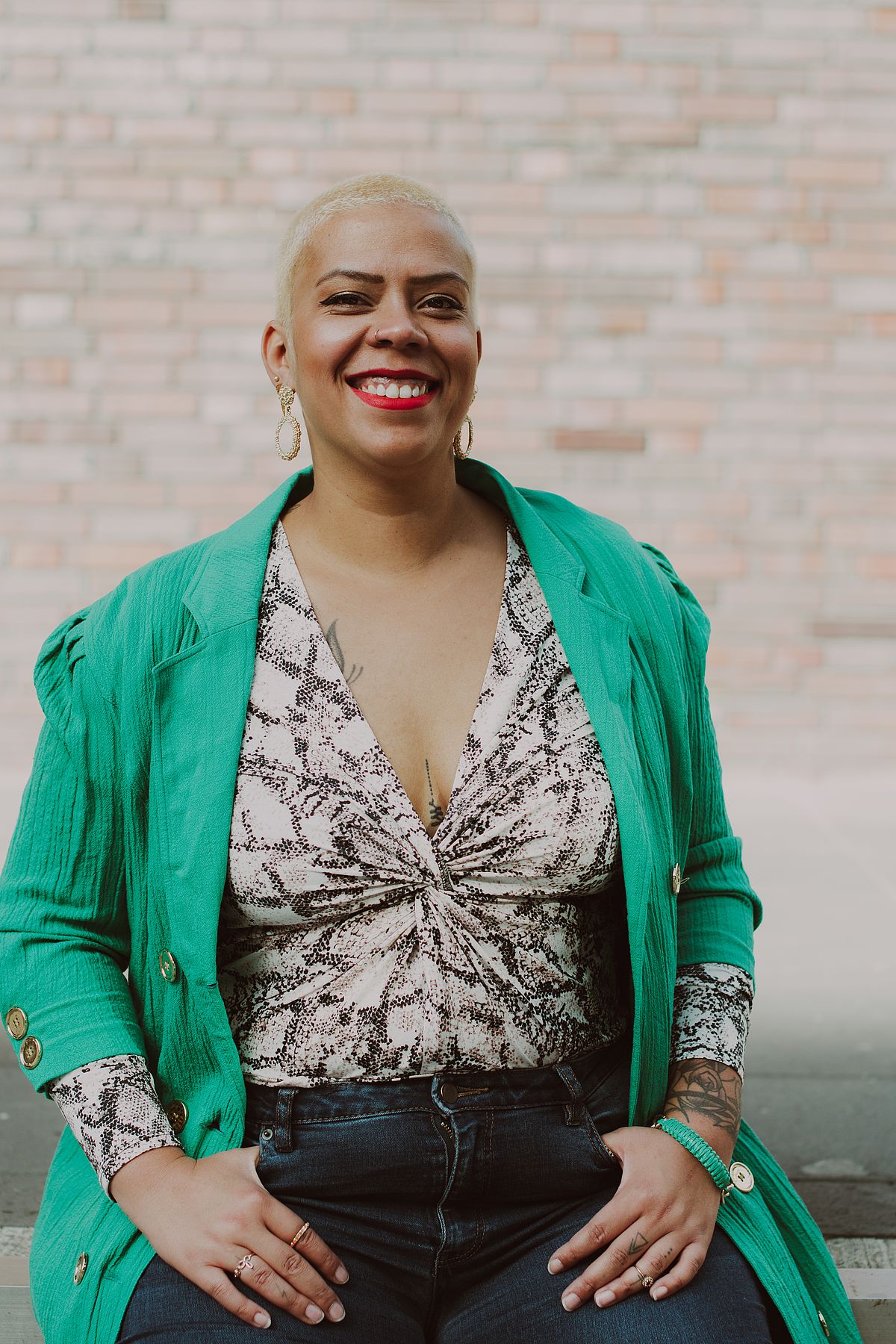
Amidst societal tensions, dehumanizing violence, social division, and attacks on democratic spaces, universities and we as educators are not neutral. Exclusions, power relations, and structural inequalities operate here as well. In this workshop, we pose the question: How can collective resistance be organized in academic spaces? We understand solidarity not as a symbol, but as a lived practice: as a conscious stance, as a daily decision, as connection with struggles inside and outside the ivory tower. Solidarity manifests itself in everyday life: in seminars, in the selection of texts, in structures that we (co-)shape. It demands that we take a position, not only among ourselves, but also alongside movements that fight for justice in the streets, in communities, and in care structures. The workshop creates space for self-reflection, collective analysis, and strategic thinking: Where do I stand? What am I avoiding? What am I willing to do? What dynamics block solidarity? Who benefits from silence? And: How can I use my role to open spaces rather than close them?
Tarah-Tanita Truderung (she/her) is an Afro-German social worker, social scientist, and educator with a completed Master's degree in "Pedagogy and Management in Social Work" from Cologne. In her Master's thesis, she researched resistance strategies against racism at German universities. She has published two books, including "Resist Academia" and "„Gehört Aktivismus in die Sozialwissenschaft?". Her areas of focus include anti-racist social work, intersectional feminism, empowerment, and decolonial knowledge (re)production. As a facilitator, speaker, and abolitionist, she creates transformative spaces for diverse communities, delivers keynotes and workshops, and moderates events to challenge power structures and advance social justice.
Inmitten gesellschaftlicher Spannungen, menschenverachtender Gewalt über soziale Spaltung bis hin zur Bekämpfung demokratischer Räume, sind Universitäten und wir als Lehrende nicht neutral. Auch hier wirken Ausschlüsse, Machtverhältnisse und strukturelle Ungleichheiten. In diesem Workshop stellen wir die Frage: Wie kann kollektiver Widerstand in akademischen Räumen organisiert werden? Solidarität verstehen wir dabei nicht als Symbol, sondern als gelebte Praxis: als bewusste Haltung, als tägliche Entscheidung, als Verbundenheit mit Kämpfen innerhalb und außerhalb des Elfenbeinturms. Solidarität zeigt sich im Alltag: in Seminaren, in der Auswahl von Texten, in Strukturen, die wir (mit-)gestalten. Sie verlangt, dass wir uns positionieren, nicht nur untereinander, sondern auch an der Seite von Bewegungen, die auf der Straße, in Communities und Care Strukturen für Gerechtigkeit kämpfen. Der Workshop schafft Raum für Selbstreflexion, kollektive Analyse und strategisches Denken: Wo stehe ich? Was vermeide ich? Wozu bin ich bereit? Welche Dynamiken blockieren Solidarität? Wer profitiert vom Schweigen? Und: Wie kann ich meine Rolle nutzen, um Räume zu öffnen statt zu verschließen?
Tarah-Tanita Truderung (sie/ihr) ist eine afro-deutsche Sozialarbeiterin, Sozialwissenschaftlerin und Bildungsreferentin mit einem abgeschlossenen Master in „Pädagogik und Management in der Sozialen Arbeit“ aus Köln. In ihrer Masterarbeit forschte sie zu Widerstandsstrategien gegen Rassismus an deutschen Hochschulen. Sie hat zwei Bücher veröffentlicht, darunter „Resist Academia“ und „Gehört Aktivismus in die Sozialwissenschaft?“. Zu ihren Schwerpunkten gehören rassismuskritische Soziale Arbeit, intersektionaler Feminismus, Empowerment und dekoloniale Wissens(re)produktion. Als Facilitatorin, Referentin und Abolitionistin gestaltet sie transformative Räume für diverse Communities, hält Keynotes und Workshops und moderiert Veranstaltungen, um Machtstrukturen zu hinterfragen und soziale Gerechtigkeit voranzutreiben.
Join us after the workshops and sessions to connect with fellow participants and trainers of the symposium. Connect and chat over coffee and cake in a relaxed atmosphere.
If possible, please also register for this event. This will make planning easier for us.
Nach den Workshops und Vorträgen laden wir Sie herzlich ein, sich mit anderen Teilnehmenden und Referent*innen des Symposiums auszutauschen. Bei Kaffee und Kuchen können Sie in entspannter Runde Kontakte knüpfen und sich miteinander austauschen.
Wenn möglich, registrieren Sie sich bitte auch für dieses Event. Das erleichtert uns die Planung.
Contact
Dr. Saumya Pant
Email: saumya.pantprotect me ?!vw.uni-bremenprotect me ?!.de
Tel: (0421) 218-60187
Building: Unicom 2, Haus Oxford
Room: 2.1110
Nele Kuhn
Email: nele.kuhnprotect me ?!vw.uni-bremenprotect me ?!.de
Tel.: (0421) 218-60302
Building: Unicom 2, Haus Oxford
Room: 2.1150
Dr. Mihir Sharma
Email: mihirprotect me ?!uni-bremenprotect me ?!.de
Tel: (0421) 218- 67616
Building: SFG
Room: 3100