in the faculty 2 Biology / Chemistry at the University of Bremen
Research
 © Michael Koch/ Uni BremenSONY DSC
 © Kai Bischof/ Uni Bremen
 © Reimer Stick/ Uni Bremen
 © Uwe Nehls/ Uni Bremen
 © Ursula Dicke/ Uni Bremen
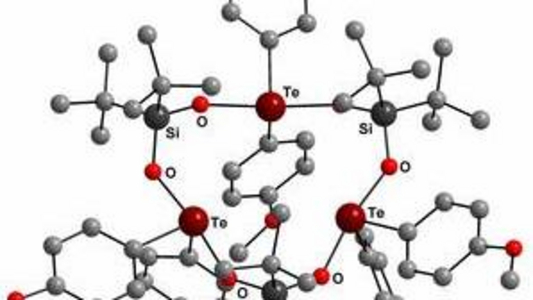 © Jens Beckmann/ Uni Bremen
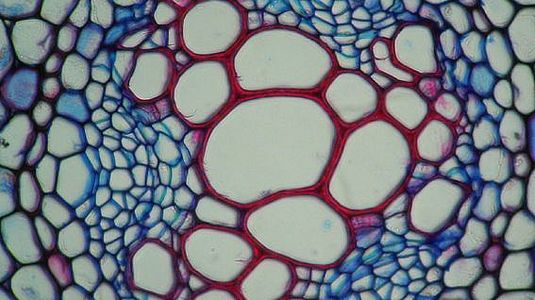 © Uwe Nehls/ Uni Bremen
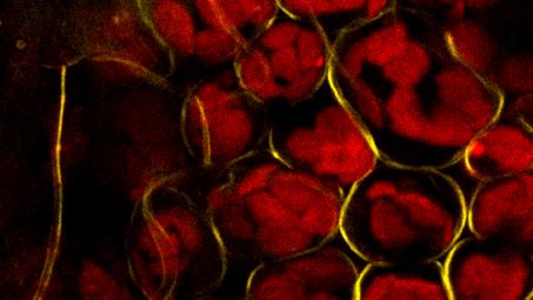 © Universität Bremen
 © Dr. H.-K. Nettmann/ Universität Bremen
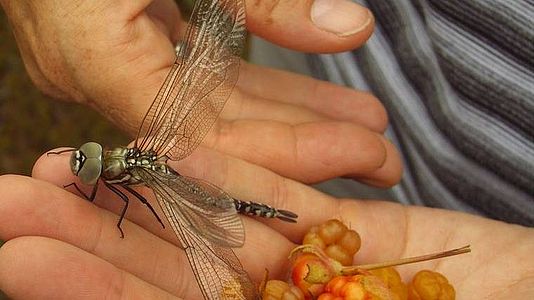 © Dr. H.-K. Nettmann/ Universität Bremen
 © Prof. G. Roth/ Universität Bremen
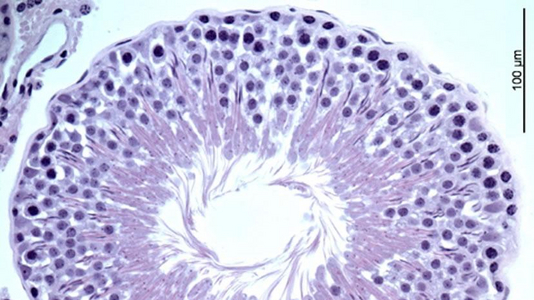 © Universität Bremen
 © Dr. H.-K. Nettmann/ Universität Bremen
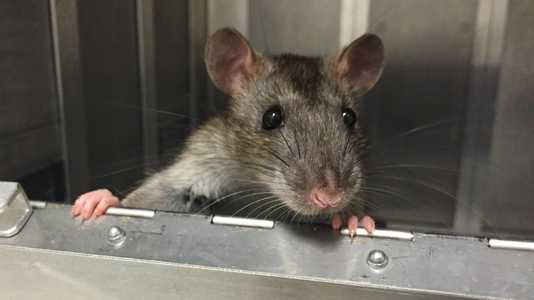 © Prof. U. Dicke/ Universität Bremen
 © Universität Bremen
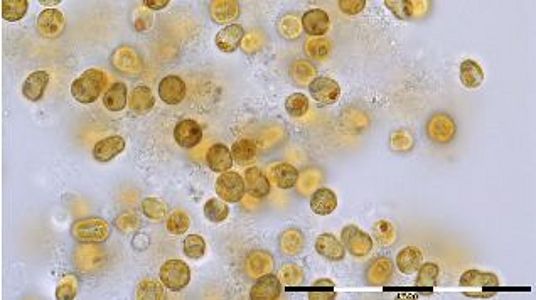 © Universität BremenMikroskopische Aufnahme von Zooxanthellen
 © Prof. R. Stick/ Universität Bremen

Marine Ecosystem Research

© Universität Bremen
Marine Science is the most import high-profile research area within the research community in Bremen, particulary strong and most visible in international research. The Centre for Marine Environmental Sciences (MARUM), the Alfred Wegener Institute for Polar and Marine Research in the Helmholtz Association (AWI), the Max Planck Insitute for Marine Microbiology (MPI) as well as the Leibniz Centre for Tropical Research (ZMT) are scientific partners in Marine Science. Furthermore, Bremen is an internationally important high-tec site for private marine or maritime activities. The research sector of Marine Science provides more than 1.500 jobs in Bremen.
SynBio

© Rita Groß-Hardt/ Uni Bremen
Synthetic biology is a highly interdisciplinary new branch of research which straddles the interfaces between molecular biology, chemistry, engineering, and materials sciences. Primarily oriented to engineering, synthetic biology is concerned with adapting, reprogramming or creating new combinations of known biological entities and making them useful for defined purposes in living systems.
© Mario Waespy / University of Bremen
Endosymbiont - Photosynthetic keratinocytes: light-powered oxygen for non-healing skin wounds

© Mario Waespy / University of Bremen
SELEVATOR - A novel receptor targeted molecular transport system for cellular uptake and non-genetic cell engineering

© Mario Waespy / University of Bremen
GYPSY - Biologic functions of trans-sialidase from Trypanosoma congolense and their role in parasite
Development and survival in host and vector
Chemistry
With its atomic-level perspective on matter, chemistry makes important contributions to the University of Bremen’s core research themes. The synthesis of functional molecules, nanoparticles, and solids forms the basis for the development of new materials. Comprehensive analytical methods provide a detailed picture of the mechanisms underlying chemical reactions. Together, these two areas form the foundation upon which sustainable chemical processes and innovative technologies are developed. In this way, chemistry contributes to materials science research at the Bremen campus.
Chemical processes in nature are another key focus of the department’s research. Investigating such processes in marine ecosystems is an important aspect of marine sciences. However, the topics covered by Department 2 also include new natural products and their effects, as well as the question of the potential formation of complex molecules in space.
The atomistic understanding of the various chemical processes is enhanced through modeling using computational chemistry methods. As a result, Department 2 is also linked to the activities of the BCCMS.
Cooperations & Core Research Areas
Faculty 2 is closely associated with a number of research institutes in Bremen and Bremerhaven via cooperation professorships (AWI, IFAM, MPI, Thünen, ZMT) and is involved in several of the University of Bremen’s Central Research Units (ZWE) and collaborative research groups (Mapex, marum, UFT, ZKW).