Welcome to the Research Group for Resilient Energy Systems

  • Information about the Research Group for Resilient Energy Systems

The research conducted by the Resilient Energy Systems research group focuses on examining and supporting transformation processes in the future energy system.

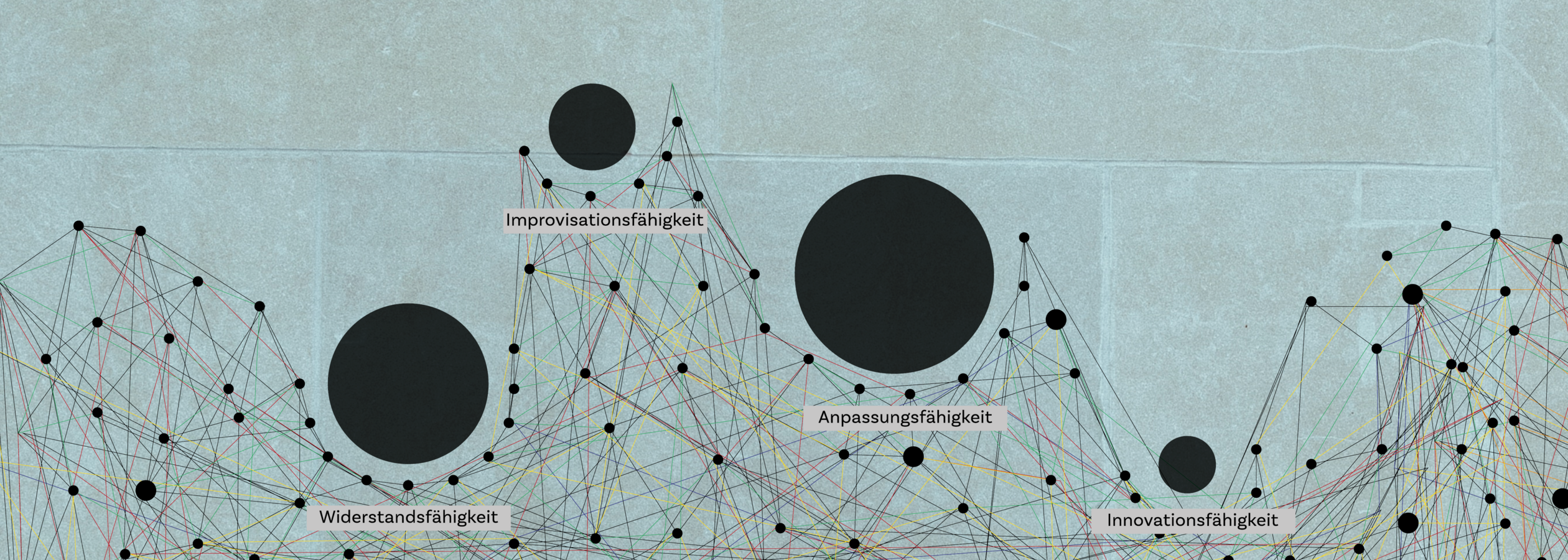
One key focus is on the concept of transformative resilience - the ability to use profound changes or disruptive events in the energy system as an opportunity to shape sustainable and robust structures. In this context, we develop approaches to create less vulnerable systems - not only as a reaction to such disruptions but also proactively through early strategic planning. Another main area of our work is data-driven analysis of sociotechnical vulnerabilities and risks, as well as model-based foresight of future scenarios for urban and industrial infrastructures.

We develop tools for energy system modeling and optimization, as well as digital planning tools, to simulate the impact of various measures on resilience and sustainability in the energy system. Together with transformation actors beyond research, we create well-founded decision-making bases for the complex transformation of the energy system. With the help of urban twins, we provide promising starting points to capture complex interconnections and support transformation actors in intricate decision-making processes.

The Virtual Transformation Lab (VTL) offers an environment where these topics can be collaboratively shaped with different stakeholder groups. The VTL provides both traditional analog and digital interactive tools (LED wall & touch tables) to optimally support different phases of transformation processes. As part of the Digital Hub Industry in the NEOS building at the University of Bremen's Technology Park, the department is optimally networked with research and industry partners.

As a member of the artec Research Center for Sustainability at the University of Bremen, the department is embedded in the research focus "Sociotechnical Systems and Sustainability." Additionally, the group is part of the Bremen Research Center for Energy Systems "Energy for Economy and Society" (BEST).

Members of this research group come from mechanical engineering, process engineering, biology, physics, and social sciences; they collaborate in interdisciplinary and transdisciplinary projects.

News

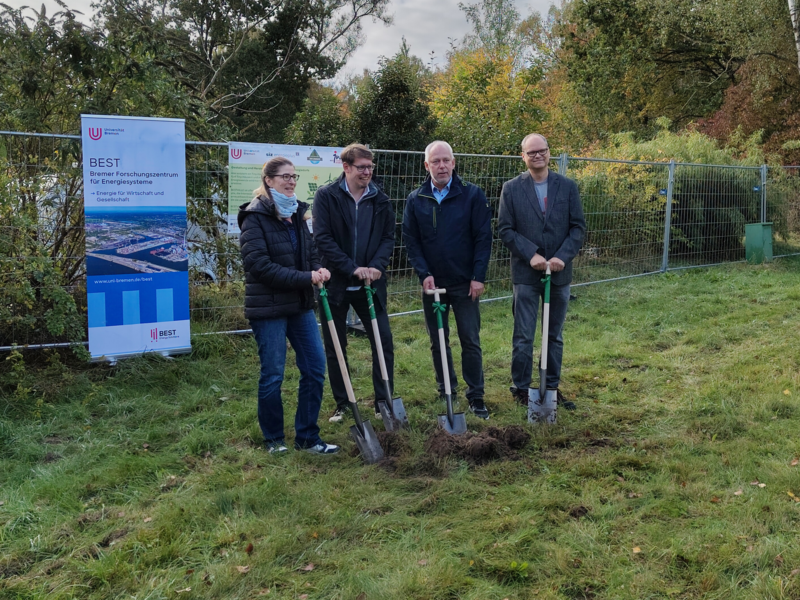
BESTVILLE Ground Breaking Ceremony

FGRES along with project partners broke ground for the Bestville project.

On October 9, 2025, FGRES, along with project coordinators WG Optimization and Optimal Control (O2C, Uni Bremen) and Steinbeis-Innovationszentrum energieplus (SIZ), broke ground for the Bestville Tiny Houses at the Bremen Campingplatz near the Unisee in Bremen.

The ground breaking ceremony was attended by representatives of other project partners like the Bremen City University of Applied Sciences, Kreisjugendwerk der AWO Bremen, professors from the University of Bremen, contractors such as Cardinal Tiny-Homes and Gärtnerhof Weyerdeelen, and officials from the city of Bremen, who came together to celebrate this important milestone.

Prof. Johannes Kiefer (Dean of Faculty 04, University of Bremen), Prof. Christof Büskens (O2C), Dr. Torben Stührmann (FGRES) and Inga Köstner (Head of the Horn-Lehe Local Office) addressed the attendees and discussed the importance of such a project for research and demonstration of sustainable technologies to young people, researchers and stakeholders alike. They emphasized that Bestville represents more than a construction project—it’s a living laboratory for innovation, where sustainability meets real-world application. 
Our Partners

hyBit consortium partners


Partners Wärmewende Nordwest


Further Partners of our Department