Welcome to the Research Group for Resilient Energy Systems

  • Information about the Research Group for Resilient Energy Systems

The research conducted by the Resilient Energy Systems research group focuses on examining and supporting transformation processes in the future energy system.

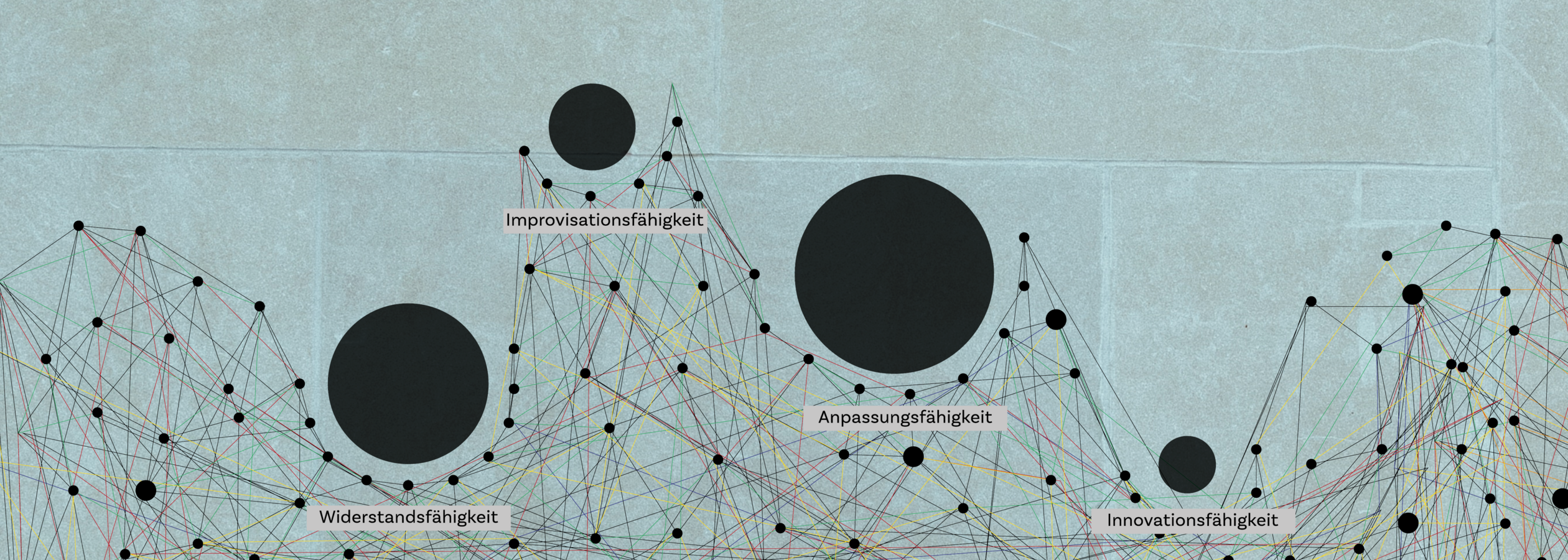
One key focus is on the concept of transformative resilience - the ability to use profound changes or disruptive events in the energy system as an opportunity to shape sustainable and robust structures. In this context, we develop approaches to create less vulnerable systems - not only as a reaction to such disruptions but also proactively through early strategic planning. Another main area of our work is data-driven analysis of sociotechnical vulnerabilities and risks, as well as model-based foresight of future scenarios for urban and industrial infrastructures.

We develop tools for energy system modeling and optimization, as well as digital planning tools, to simulate the impact of various measures on resilience and sustainability in the energy system. Together with transformation actors beyond research, we create well-founded decision-making bases for the complex transformation of the energy system. With the help of urban twins, we provide promising starting points to capture complex interconnections and support transformation actors in intricate decision-making processes.

The Virtual Transformation Lab (VTL) offers an environment where these topics can be collaboratively shaped with different stakeholder groups. The VTL provides both traditional analog and digital interactive tools (LED wall & touch tables) to optimally support different phases of transformation processes. As part of the Digital Hub Industry in the NEOS building at the University of Bremen's Technology Park, the department is optimally networked with research and industry partners.

As a member of the artec Research Center for Sustainability at the University of Bremen, the department is embedded in the research focus "Sociotechnical Systems and Sustainability." Additionally, the group is part of the Bremen Research Center for Energy Systems "Energy for Economy and Society" (BEST).

Members of this research group come from mechanical engineering, process engineering, biology, physics, and social sciences; they collaborate in interdisciplinary and transdisciplinary projects.

News

hyBit Winter School in Cottbus

hyBit early career researchers took part in a Winter School in Cottbus

Thirteen early career researchers from the hyBit project participated in a hyBit Winter School in Cottbus on November 24-28, 2025. The group included five FGRES team members – Cristina Oballe, Olga Masyutina, Cosme Polese Borges, Karl Fehrs and Jannes Katner. The objective of the Winter School was to learn about industrial transformation and the development of a hydrogen economy in the region of Lusatia – a region that has depended heavily on coal mining and energy-intensive industries, and is now undergoing significant structural changes.

The participants had a busy program with internal presentations and discussions as well as a number of interesting talks from local stakeholders that gave many insights into recent history and current developments in the region. External talks included presentations by the  BTU Energy Innovation Centre, Competence Centre on Climate Change Mitigation in Energy-Intensive Industries (KEI), PtX Lab, Referenzkraftwerk Lausitz GmbH, ASG Spremberg, Lausitz Science Park and the local development agency Wirtschaftsförderung Cottbus. A true highlight of the winter school was a visit to the open pit coal mine Welzow-Süd to see active mining of lignite and the LEAG company’s restoration efforts. The Winter School offered a great opportunity for the early career researchers to get new information about transformation processes in Lusatia, to network and to have a valuable interdisciplinary exchange.
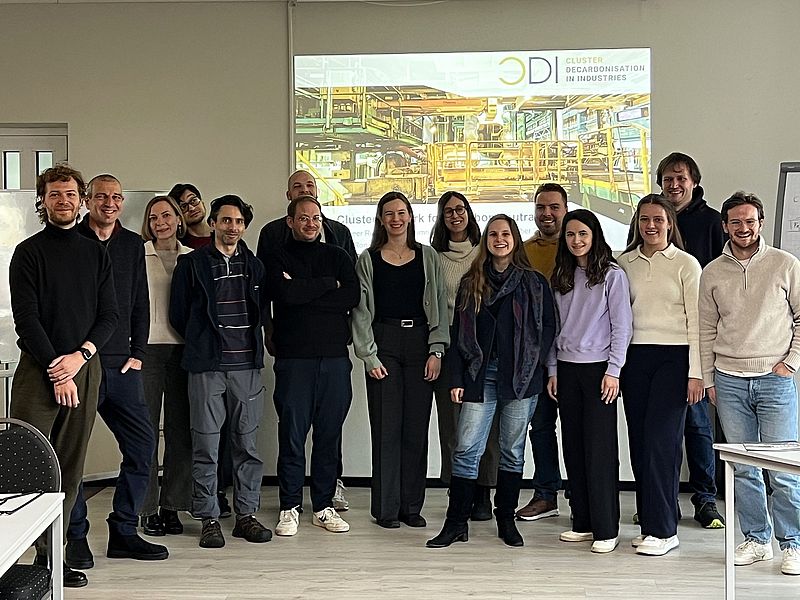


winter school

Our Partners

hyBit consortium partners


Partners Wärmewende Nordwest


Further Partners of our Department