

Summer School 2026 “Location Matters”
Geospatial Methods for Health Scientists, Social Scientists, and Geoscientists
HIGHLIGHTS: Applied QGIS & R Training ◆ Bring-Your-Own-Data Clinic ◆ Expert Mentoring ◆ Peer Exchange ◆ Best Poster Award ◆
Quick Facts
When? 13-17 July 2026
Where? University of Bremen
Language: English
Seats: 20–25 participants
Fees: free of charge
(thanks to BMFTR-funding)
Certificate of Participation provided
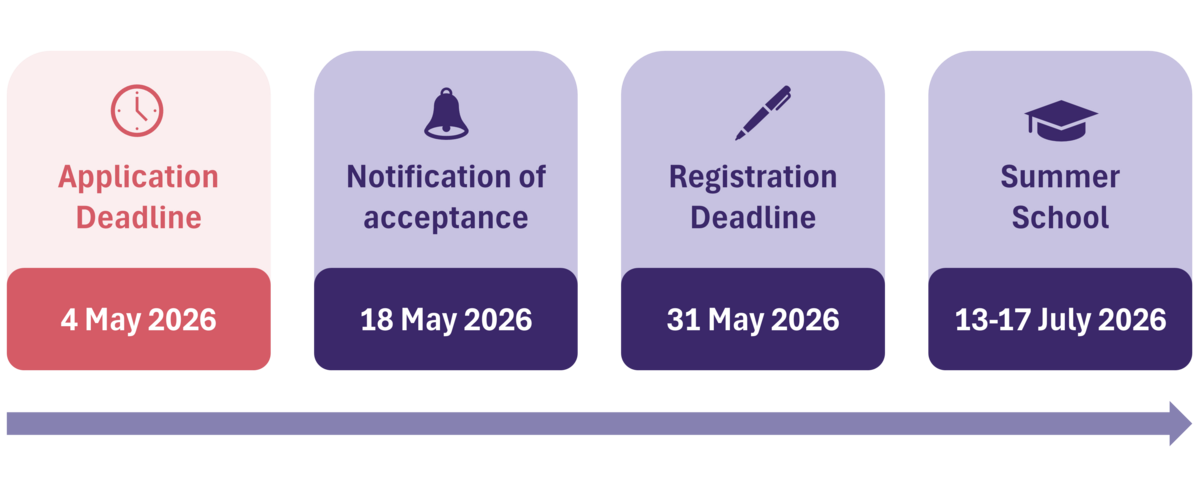
Application Deadline:
4 May 2026
Why Join This Summer School?
Spatial data is increasingly central to understanding health outcomes, social inequalities, environmental exposures, and access to services.
For health and social scientists, integrating geospatial data strengthens empirical analyses — yet raises methodological challenges around data linkage, spatial units, and interpretation.
For geoscientists, applying spatial expertise to societal and health-related questions requires engagement with domain concepts and interdisciplinary collaboration.
Bringing these perspectives together, the summer school creates a focused space for methodological training, structured exchange, and research development.
Please note: Participation is limited, and applicants will be selected based on motivation and fit to the program, with the aim of forming a balanced group.
Applications are closed.
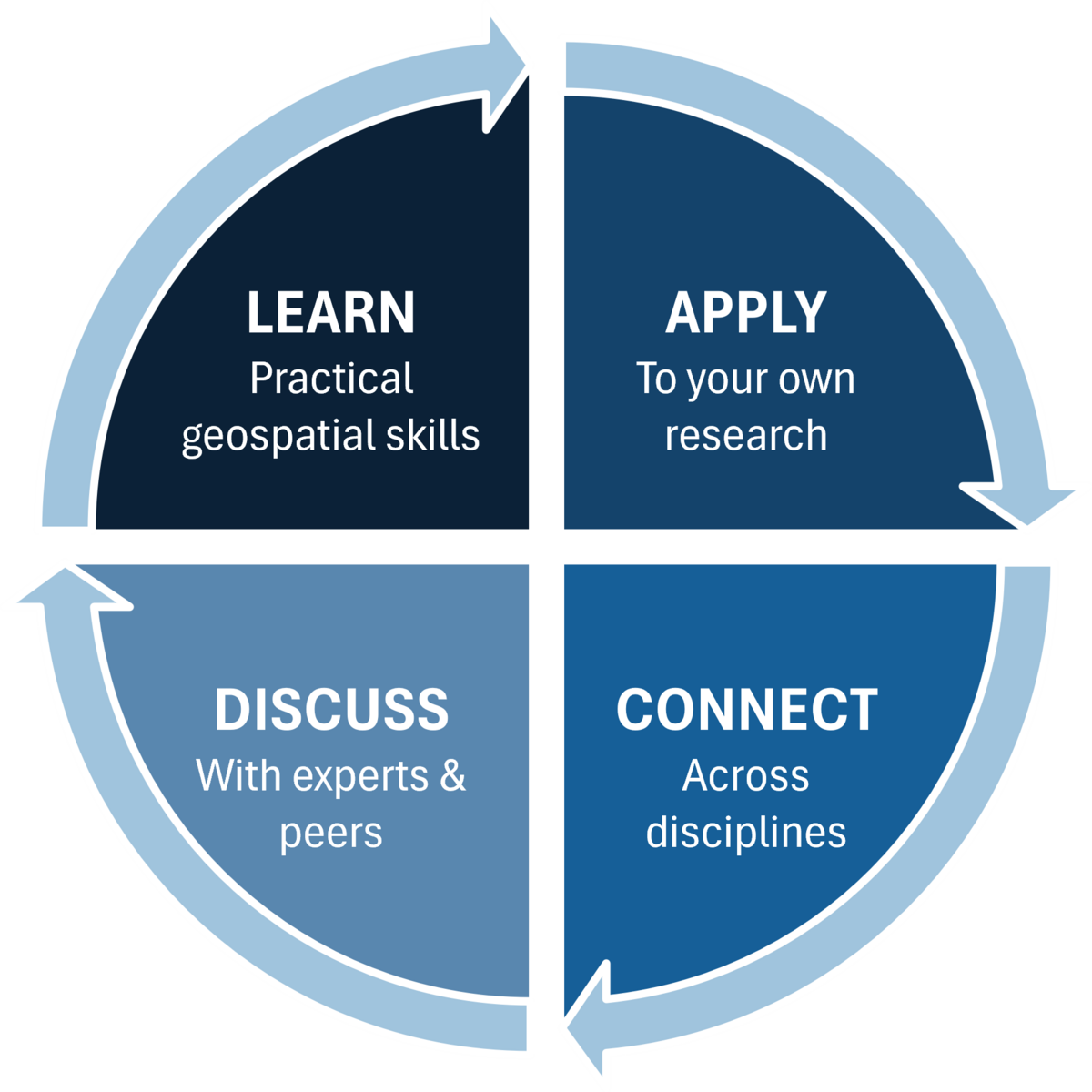
What Will You Gain?
During the one-week program, you will:
- Build transferable geospatial workflows using QGIS and reproducible R pipelines
- Strengthen your methodological strategy for spatial research questions
- Integrate geospatial data with surveys, administrative records, and other domain datasets
- Improve the clarity and impact of your spatial analyses through visual analytics and cartographic principles
- Receive expert and peer feedback on your data, methods, and analytical strategy
- Expand your interdisciplinary research network
Participants will have the opportunity to present their work and win a Best Poster Award.
Program & Formats
Training Formats
The summer school combines five complementary formats to create an intensive, research-focused learning environment.
Designed to strengthen your skills and advance your own research.

What to Expect
Short, focused input sessions introduce key concepts and analytical strategies at the intersection of health, society, and geospatial data.
Topics include:
- Spatial thinking in health and social research
- Choosing appropriate spatial units and scales
- Collecting geospatial data using Qfield
- Linking geospatial and domain data (e.g., surveys, administrative records)
- Interpreting spatial patterns and model outputs responsibly
- Ethical considerations and working with sensitive geodata
- From analysis to communication: principles of visual analytics and cartography
The lectures provide conceptual grounding for the hands-on sessions and help you make informed methodological decisions in your own research.
Guided practical sessions form the core of the summer school. Building on the expert inputs, you will work step by step through geospatial workflows in QGIS and reproducible R pipelines.
You will gain hands-on experience in:
- Accessing and preparing geospatial data
- Collecting geospatial data using Qfield
- Processing and integrating spatial and domain datasets
- Conducting spatial analyses and modelling
- Creating clear, meaningful maps and visualizations
- Structuring reproducible workflows for your own research
The focus is on applied problem-solving and transferable skills – enabling you to adapt and reuse the workflows in your own projects.
Interdisciplinary exchange is an integral part of the summer school. Throughout the week, structured discussion formats and informal networking moments create space to reflect on methods, share experiences, and learn from different disciplinary perspectives.
Working in a small cohort of researchers from health sciences, social sciences, and geosciences allows you to:
- Compare analytical approaches across fields
- Discuss methodological challenges with peers
- Gain new perspectives on your own research design
- Build connections that extend beyond the summer school
The program is complemented by an informal evening social event – a relaxed setting to meet fellow participants, exchange ideas, and continue conversations over food and drinks. Participation is entirely optional and at your own expense.
The Data Clinic offers bookable consultation slots to discuss your research question, dataset, workflow, or methodological challenge with experts from the interdisciplinary team.
Examples of questions you could bring include:
- Finding & accessing data: Where can I find data suitable for my research question?
- Processing data: How can I geocode addresses or place names? How do I link individual-level data to area-level indicators? How do I handle missingness?
- Methods & modelling: Which approach fits my question? How do I interpret the spatial effects in my model responsibly? Which kind of map fits best?
- Tools & workflows: Should I use QGIS, R, Python, or a mix? How should I structure my workflow?
- Research data management: How can I write a Data Management Plan for my data? How can I work safely with sensitive geodata? What anonymization or aggregation strategies are appropriate?
- Troubleshooting: Help! My polygons don’t match, my joins fail, my CRS is wrong, my map looks weird, there is an error message, my model won’t converge…
The goal is to offer individual support for hands-on troubleshooting, scoping, and decision-making - whether you are just getting started or already deep in analysis.
All participants are invited to share their own work related to the summer school theme. Each presenter will give a short lightning talk to introduce their topic, followed by a poster session for deeper discussion and networking.
This format is designed as a supportive and “safe” space to exchange ideas with peers and experts. Therefore, your project does not need to be a finished study. Research ideas, early concepts, and work in progress are very welcome, as long as there is a clear link to the summer school’s focus on geospatial analysis in the health and social sciences.
Presenting your own work is completely voluntary. To make things even more fun, we will award a Best Poster Award, announced at the end of the summer school. Everyone who presents is automatically considered.
Itinerary
Lunch and coffee breaks included
Please note:
Session topics and timings are preliminary and may still change slightly. The final timetable will be shared with accepted participants in advance.
09:00 Start
09:00–09:30 Welcome & getting to know each other
09:30–10:00 Why geospatial data matters in health & social sciences
10:00–17:00 Geospatial fundamentals & QGIS introduction (hands-on)
17:00 End
Evening: Social event (optional, details TBA)
09:00 Start
09:00–09:30 Research Data Management for geospatial data
09:30–10:00 Data Journey (case example)
10:00–11:00 Ethical, legal, and social aspects (ELSA)
11:00–16:00 Data collection with QField (hands-on outdoor)
16:00–17:00 Data Journey (case example)
17:00 End
09:00 Start
09:00–09:30 Geospatial data sources
09:30–10:00 Data Journey (case example)
10:00–17:00 First steps, importing, wrangling and geocoding geospatial data in R
17:00–18:00 Participants’ presentations (optional) + snacks
18:00 End
09:00 Start
09:00–17:00 Spatial linking, analyzing (statistics, spatial regression), visualizing results in R
17:00 End
09:00 Start
09:00–09:30 Sharing and publishing geospatial data
09:30–10:30 Cartography: how to create good maps?
10:30–15:00 Visualizing geodata in QGIS
15:00–15:30 Best Poster Award & wrap-up
15:30 End
15:30–18:00 Bring-your-own-data-clinic (optional, bookable slots)
How to Apply
Who Can Apply?
We invite applications from researchers in:
Social Sciences – e.g., sociology, political sciences, economics, educational sciences, psychology
Health Sciences – e.g., epidemiology, public health
Geosciences – e.g., geography, geoinformatics, cartography, spatial data science, environmental and earth sciences
Related disciplines with a clear interest in geospatial analysis in social and health sciences.
Important Dates
Please note:
- Applicants must be affiliated with a university or research institution or be formally enrolled in a doctoral programme.
- Applications are welcome from researchers based in Bremen, across Germany, and internationally.
- The program is tailored for PhD researchers. Advanced Master’s students and postdocs may be considered if seats are available.
Application Procedure
Group size is limited to 20–25 participants to ensure an intensive and interactive learning environment.
Participants are selected based on:
- Motivation and fit to the programme
- Relevance of research interests
- A balanced interdisciplinary composition of the cohort
This ensures a diverse and engaging exchange across disciplines.
To apply, please fill out the online application form here (applications are closed).
In addition, upload a short motivation letter (300–500 words) addressing:
- your current position
- your disciplinary background and research focus
- your motivation to join this summer school and what you hope to learn
- how geospatial data analysis relates to your work (e.g., a research question, dataset, or use case you would like to explore)
- your current level of experience with GIS, R or other programming languages (no advanced skills required – this helps us tailor support)
- what you could contribute to the interdisciplinary group (e.g., methods expertise, application domain perspective)
You can already indicate in the application form whether you would like to present your work in a lightning talk and poster session. If you’re not sure yet, you can still opt in during registration – at which point we’ll ask for a title and a short abstract for the programme.
You can express interest in an expert consultation in our “bring-your-own-data clinic” either in the application form or during registration. Booking details, time slots, and pre-submission guidelines will be shared after registration.
Participation is free of charge, reflecting the Data Science Center’s commitment to supporting interdisciplinary training. The summer school is offered as part of the DataNord project, supported by the Federal Ministry of Research, Technology and Space (BMFTR) and funded by the European Union – NextGenerationEU.
Please note that travel, accommodation, and meal costs must be covered by participants. However, if you are very interested in participating but face significant barriers in covering travel costs, please feel free to contact us at devogelprotect me ?!uni-bremenprotect me ?!.de. While we cannot guarantee financial support, we are happy to discuss possible options depending on available resources.
After receiving an acceptance notification, participants must confirm their participation by completing a registration step. This helps us ensure that accepted applicants still plan to attend. The registration deadline is two weeks after the acceptance notification. Places of accepted participants who do not register within this period will be reassigned to applicants on the waiting list.
If you have registered but can no longer attend, please cancel as early as possible so we can offer your place to another applicant.
Organizing this summer school requires substantial financial and staff resources. In case of last-minute cancellations and no-shows, we may charge a cancellation fee of €500.
Contact
Dr. Susanne de Vogel
Do you have any questions?
Feel free to reach out at
devogelprotect me ?!uni-bremenprotect me ?!.de
Applications are closed.
Practical Information
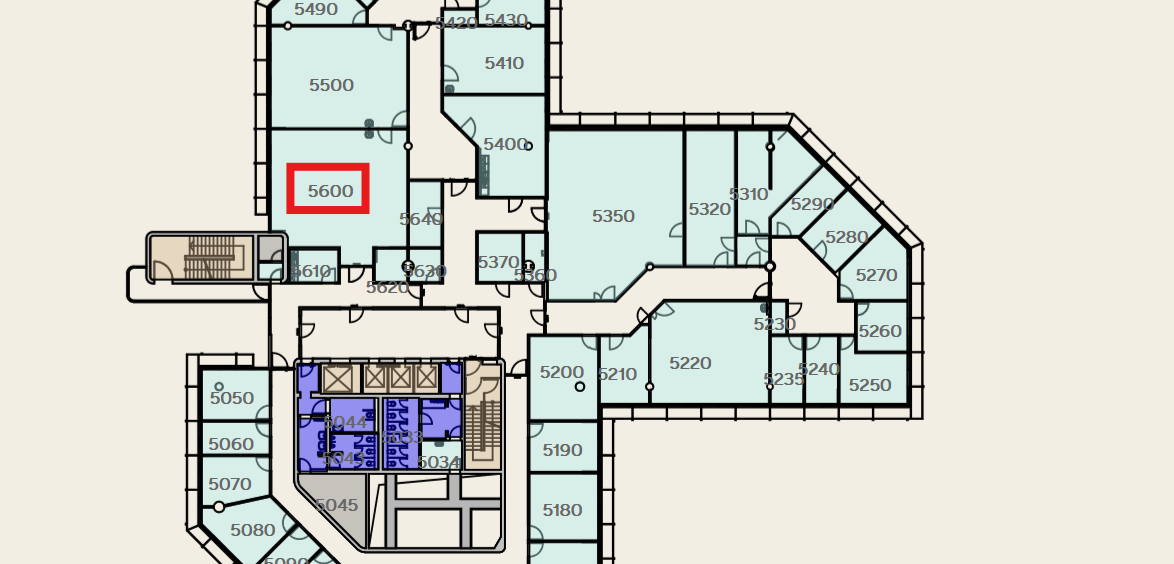
Registration and most sessions will take place at the University of Bremen:
MZH (Mehrzweckhochhaus)
5th floor, Room 5600
Bibliothekstraße 5
28359 Bremen, Germany
Link to campus map of Bremen University:
https://www.uni-bremen.de/en/university/campus/campus-map/
Please, bring your own laptop and make sure you can connect to the internet on-site, ideally via eduroam. If you do not have eduroam access, we will provide temporary Wi-Fi login credentials on-site.
Participants should have the following software installed on their laptops before arrival:
- the latest version of QGIS (https://qgis.org)
- the latest versions of R (https://cran.rstudio.com) and RStudio (https://posit.co/download/rstudio-desktop)
- and on their smart devices the app Qfield for QGIS (https://qfield.org)
The programs are free and open source. A short installation and preparation guide will be shared in advance.
The venue is wheelchair accessible. If you have any additional accessibility requirements, please indicate them in the application form or contact us in advance so we can make appropriate arrangements.
The summer school is vegetarian- and vegan-friendly. On campus, you will also find a good selection of vegetarian and vegan meal options. If you have additional dietary requirements or allergies, please let us know in the application form.
The training venue is located on the University of Bremen’s main campus. The university is easy to reach by public transport (bus & tram), by train via Bremen Central Station (Bremen Hbf), by air via Bremen Airport (BRE), and by car.
Detailed directions and a campus map are available on the University of Bremen website .
The summer school and the University of Bremen will not provide any accommodation. You can find accommodation options on: https://www.bremen.eu/tourism/plan-and-book/accommodation#/.
Team
Organizing Institutions

Data Nord
DataNord is an interdisciplinary data competence center for the Bremen region, supporting researchers across disciplines and career stages through training, consulting, and networking in data science and research data management.
This summer school is offered in the context of DataNord’s Data Factory. Data Factories are summer schools focused on innovative concepts in data processing and analysis methods for specific data types, organized by the Data Train program and the data scientists at the Data Science Center (DSC). This format provides doctoral researchers and postdocs with the opportunity to learn and apply modern techniques and methods directly to their own data under the guidance of experts. Such intensive training with specialists offers practical, individualized, and domain-specific support.
DataNord is supported by the Federal Ministry of Research, Technology and Space (BMFTR) and funded by the European Union - NextGenerationEU.
Organizing Team & Trainers

Dr. Susanne de Vogel
DSC - University of Bremen
Susanne de Vogel is a Data Scientist for training and consulting at the University of Bremen’s Data Science Center (DSC). She holds a PhD in Sociology from the Martin Luther University of Halle-Wittenberg (2019). Susanne has more than 10 years of experience in the collection, preparation, analysis, and management of social-scientific survey data. Her expertise lies in quantitative methods in R as well as the processing and management of personal and sensitive data.
Learn more: Profile

Annika Nolte, M.Sc.
DSC - University of Bremen
Annika Nolte is a Data Scientist for training and consulting at the University of Bremen’s Data Science Center (DSC). She holds a Master’s degree in Environmental Sciences from TU Braunschweig (2019) and has over seven years of experience in scientific programming, geodata management and -processing, hydroinformatics, geospatial analysis, and AI for environmental modelling.
Learn more: Profile

Dr. Rajini Nagrani
BIPS
Rajini Nagrani is a Research Fellow and head of the unit “Molecular Epidemology” at the Leibniz Institute for Prevention Research and Epidemiology (BIPS) in Bremen and works in the HealthyPlanet project, which links satellite-based environmental data with health outcomes and health behaviours. She earned her PhD in Epidemiology from Tata Memorial Centre /Homi Bhabha National Institute in Mumbai, India (2014) and brings strong expertise in epidemiological study design and advanced quantitative data analysis (incl. cohort and case-control studies, meta-analyses, and Cox proportional hazards models) in health sciences.
Learn more: Profile

Dr. Nour Naaouf
BIPS
Nour Naaouf is a Research Fellow at the Leibniz Institute for Prevention Research and Epidemiology (BIPS) in Bremen and works in the HealthyPlanet project, which links satellite-based environmental data with health outcomes and health behaviours. He holds a PhD in Cartography and Geoinformatics from Eötvös Loránd University in Budapest, Hungary (2024). His expertise includes GIS and remote sensing, exposure assessment, and spatial analysis.
Learn more: Profile

Alexandra Nozik, M.Sc.
ZMT
Alexandra Nozik studied Geography and Geoinformatics and works as a Geodata Specialist at the Leibniz Centre for Tropical Marine Research (ZMT) in Bremen. In this role, and as a Qfield Ambassador, she supports researchers with digital field data collection, geodata use in transdisciplinary projects, geospatial visualization (maps as scientific figures), and research data management (including data management plans).
Learn more: Profile
About the Speakers and Experts
Rajini Nagrani is Head of the Molecular Epidemiology unit at the Leibniz Institute for Prevention Research and Epidemiology (BIPS) in Bremen.
In her Data Journey talk, Rajini introduces HealthyPlanet, which uses satellite-based environmental data to study how environmental conditions relate to human health outcomes and health behaviours. She will discuss how satellite-derived indicators can help fill data gaps, what it takes to link environmental exposures to health data in practice, and which methodological and practical challenges arise when working across domains (e.g., data linkage, scale/temporal alignment, uncertainty, and responsible interpretation).
More about Rajini
More about HealthyPlanet
Dr. Yim Ming Connie Kwong is a postdoctoral researcher at the Leibniz Centre for Tropical Marine Research (ZMT) in the workgroup Deliberation, Valuation & Sustainability.
In her Data Journey talk, Connie introduces the project TransTourism (Transdisciplinary Science for Sustainable Tourism), which supports coastal tourism communities in addressing wastewater management challenges through a transdisciplinary approach. She will outline how the project connects geospatial/environmental data with health and social science questions, and highlight a key practical challenge: working responsibly with sensitive location information, such as data on well locations in drinking-water-scarce tourist regions, where sharing precise coordinates can create risks and requires careful handling.
More about Connie
More about TransTourism
Nourat Noemi Alazza holds a M.Sc. Degree in psychology and works as a research associate at the University of Bremen, Institute for Public Health and Nursing Research (IPP), in the department Prevention and Health Promotion.
In her Data Journey talk, Nourat will present a use case illustrating how geospatial data can help us better understand environmental influences on eating behavior. Drawing on data from their 21-day UNICON study on dietary behavior, she will discuss different ways of measuring the food environment, including GPS-based and self-reported assessments. She will then present how these data are being used to examine the relationship between the food environments people encounter in everyday life and their dietary behavior. This talk will also reflect on methodological challenges and open questions in this ongoing research project.
More about Nourat
More about UNICON
Anna Ricarda Luther is a researcher at ifib (Institut für Informationsmanagement Bremen) and holds an M.Sc. in Cognitive Science (University of Osnabrück). During the Bring-your-own-data clinic, she will be available as an expert on routing and public transport data, and on how such mobility information can be linked with health-related research questions (e.g., accessibility and mobility contexts) in applied projects.
More about Ricarda
FAQ
No. We start from the basics and build up to practical workflows.
While knowledge in a programming language is certainly an advantage, no advanced programming knowledge (and no prior R experience) is required. In the hands-on sessions, we work with prepared R scripts that are designed to be self-explanatory, and the lecturers will provide clear guidance and support throughout.
We use QGIS and R because they are free, open-source tools, making the workflow accessible and inclusive for everyone. We use R in particular because it is one of the most widely used open-source tools in the social and health sciences, so you can build geospatial skills in the software many of you already use in your research.
No. You do not need to bring your own data to participate. We will provide example datasets and guided exercises that everyone can follow throughout the week. If you have your own dataset or use case, you’re welcome to bring it: you can present it in the participant lightning talks/poster session, and if you have specific questions or challenges, you can explore them in the optional “bring-your-own-data clinic”.
No preparation of materials is required, unless you choose to contribute to the lightning talks or poster session. All materials (slides, data, exercises) will be shared during the summer school. The only thing we ask is that you install QGIS, QField and R/RStudio in advance. We will send a separate email with installation instructions and setup guidance before the event.
Sessions typically run from around 9:00 to 16:00–17:00 each day, including coffee breaks and a lunch break. On some evenings, we will offer optional social events for networking. Participation is entirely voluntary.
Yes, Participants will receive a Certificate of Participation. The certificate will include information on the course content, the total number of training hours, and whether you delivered a participant presentation.
Upon successful completion of the program, the summer school offers a Certificate of Participation. Students can apply for recognition of credits to the relevant authorities in their home institutions, therefore the final decision on awarding credits is at the discretion of their home institutions.
Participation is in-person only. To encourage open discussion and protect privacy during hands-on work, the training sessions will not be recorded, and we do not offer hybrid or online attendance.
In principle, yes – you are welcome to apply even if you cannot attend every session. However, certificates of participation will only be issued if you attend at least 80% of the program. If you already know that you can only join for a small part of the week, please consider whether it might be fairer to leave the place to another applicant who can participate fully. In any case, please let us know in advance so the trainers can plan accordingly.
We will provide hot and cold drinks as well as snacks (e.g., fruit, cake etc.) free of charge during trainings and breaks. Lunch is not included and needs to be arranged individually at your own expense. There are many options on campus, including vegetarian and vegan choices.
Yes. If you require a visa invitation letter, we can provide one after you have been accepted to the summer school. Please indicate this in your application so we can prepare the documents in time for your visa application.
Participation in the summer school is free of charge, reflecting the Data Science Center’s commitment to supporting interdisciplinary training and made possible through BMFTR funding within the “DataNord” project. Many comparable summer schools charge substantial participation fees. Participants are therefore generally expected to cover their own travel and accommodation costs. We recommend checking whether your graduate school, department, or institution offers mobility or training funds.
However, if you are very interested in participating but face significant barriers in covering travel costs, please feel free to contact us at devogelprotect me ?!uni-bremenprotect me ?!.de. While we cannot guarantee financial support, we are happy to discuss possible options depending on available resources.
Unfortunately, we are not able to provide childcare or arrange childcare services as part of the summer school. If you have caregiving responsibilities that affect your participation, please feel free to contact us. While we cannot offer childcare support, we can share practical information (e.g., daily schedule) to help you plan.
Yes, there will be an option to leave your luggage in a locked room on-site on your arrival and departure day.
Yes, we may take photos during the event for documentation and communication purposes. At the start of the summer school, we will inform everyone about photo-taking. If you do not want to appear in photos, please let the organizing team know. We will of course respect this and ensure it is implemented.
Any further questions?
No problem! Just email Susanne de Vogel, she’ll be happy to help.