
Electrochemichal reduction of regolith and other metal oxides

These research projects aim to develop a process for the electrolytic extraction of metals and the production of oxygen from metal oxides. This process does not emit greenhouse gases or use fossil fuels, coke, or carbon at any stage, which, in addition to its use in space research, can also bring innovation to Earth. The disadvantages of typical processes for extracting reactive metals, such as high energy consumption, low efficiency, and massive environmental pollution, make the introduction of sustainable green processes essential.
Electrolysis cells operating at temperatures around 900°C (well below the melting point of regolith) and using an oxygen ion conductor molten salt as the electrolyte could serve this purpose. The operating parameters, including polarization ranges, reduction times and temperatures, as well as various other factors such as the porosity, microstructure and shape of the samples, the electrolyte composition and the possibility of near-net-shape metallurgy, will be investigated in this work.
We are pursuing two approaches:
Direct reduction
The idea is to apply a voltage from an inert anode to the cathode, where the pellets of regolith act as the cathode and are thus directly reduced to pure metals. The expelled oxygen ions then diffuse to the anode. Therefore, the development of a stable inert anode suitable for oxygen production is also of crucial importance.
This research topic aims to investigate various areas of extraterrestrial life, such as the production of metal alloys using electrochemical and biomining methods, as well as protection from and utilization of solar radiation through the introduction of ceramic/polymer composites with tailor-made properties. The project is funded by the German Research Foundation (DFG).
Dissolve and precipitate
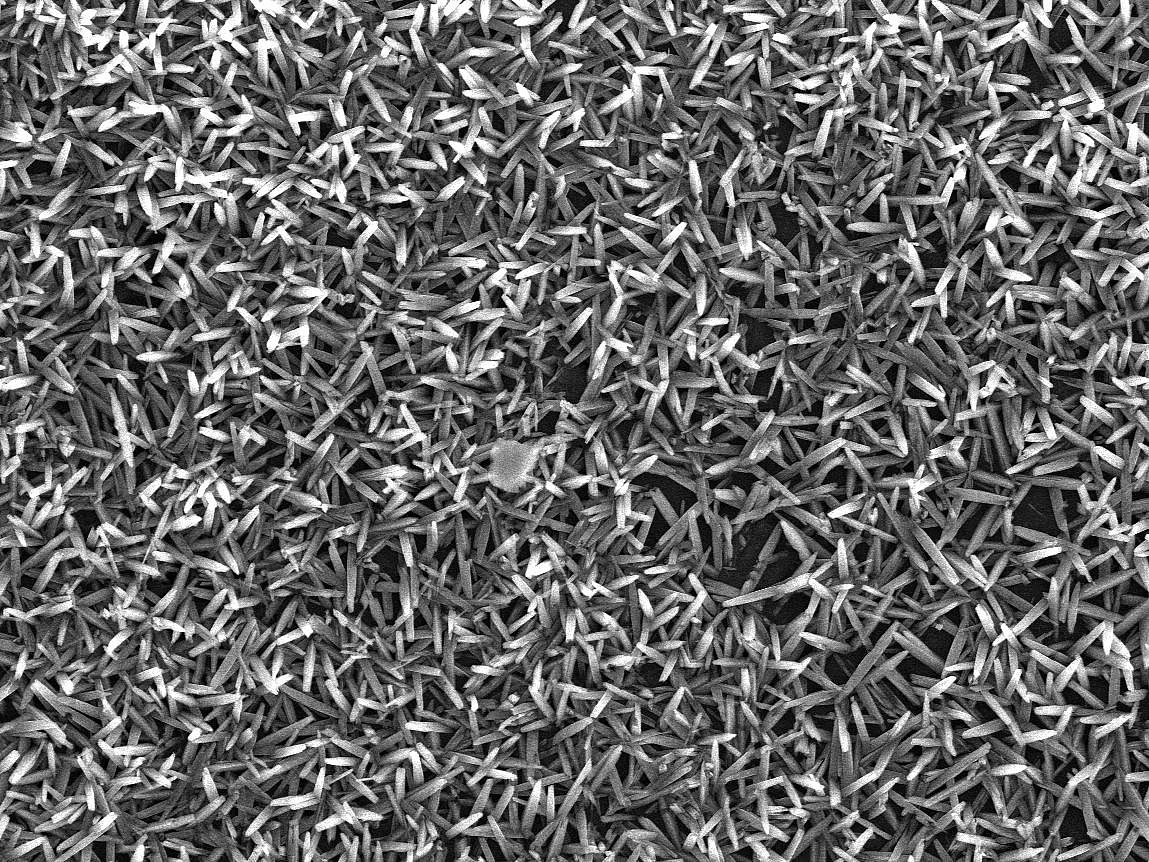
In another approach, the metal oxides from the regolith are first dissolved in molten salt and the dissolved metal ions are then deposited electrochemically on the cathode. Here, too, the oxygen ions can diffuse to the inert anode and serve to form oxygen there.
Contact
M. Sc. Lena Ehlers
Room UFT 2210
Tel. 0421 218 63388
lehlersprotect me ?!uni-bremenprotect me ?!.de
Further information
Embedded in the initiative “Humans on Mars” and the DFG-founded Cluster of Excellence “Die Marsperspektive”