
EMAC Fall Conference 2026
16-18 September 2026
© Sarah Brunßen
Mind the Gap – Marketing Relevance in a Technology-Driven World
Welcome to the 17th Fall Conference of the European Marketing Academy at the University of Bremen.
This year’s conference theme is “Mind the Gap – Marketing Relevance in a Technology-Driven World".
We are excited to welcome you to an insightful event where we will dive into the latest trends and ideas shaping the future of marketing.
Full conference programme now available!
For further information click here.
About
© The European Marketing Academy
The European Marketing Academy (EMAC), established in 1975, is a professional society for people involved with or interested in marketing theory and research. The purpose of the European Marketing Academy is to provide a platform for persons professionally concerned with or interested in marketing theory and research. It aims to serve as the core of a communication network for disseminating information and promoting international exchange in the field of marketing. At present, the EMAC has over 1,000 members from more than 57 different countries on all five continents.
Events
EMAC Spring Conference: Hosted by major universities or scientific institutes all over Europe, the Spring Conference provides a yearly forum for the presentation and discussion of research projects at various stages of development.
EMAC Fall Conference: Aiming to attract researchers interested in marketing issues in changing and growing markets, and issues with a regional perspective. All types of research approaches are welcome. Furthermore, the Fall Conference serves the marketing communities of transition societies and interested researchers as a meeting point. The history of the EMAC Fall Conference began in 2007 at the University of Maribor (Slovenia) where researchers from this region, dealing with market development issues, decided to launch a conference entitled Marketing Theory Challenges in Transition Societies (MTC). The MTC conferences were hosted for two consecutive years by the University of Zagreb, Croatia (2008) and again by the University of Maribor, Slovenia (2009). In 2010 the MTC conference was embraced by the European Academy of Marketing and since then has continued with support of EMAC under a new title – EMAC Fall Conference. Marketing Theory Challenges in Emerging Markets. The first EMAC Fall Conference was hosted by Corvinus University of Budapest, Hungary (2010).
Publications
- Newsletter: To keep the EMAC membership informed of its activities as well as other happenings in the field, the Academy publishes the online EMAC Newsletter. Apart from conveying information on trends in the field, the Newsletter disseminates quarterly information on ongoing and completed research, teaching material and job vacancies.
- International Journal of Research in Marketing (IJRM): Building on a great tradition of global marketing scholarship, IJRM, EMAC flagship journal, aims to contribute substantially to the field of marketing research by providing a high-quality medium for the dissemination of new marketing knowledge and methods.
© Universität Bremen
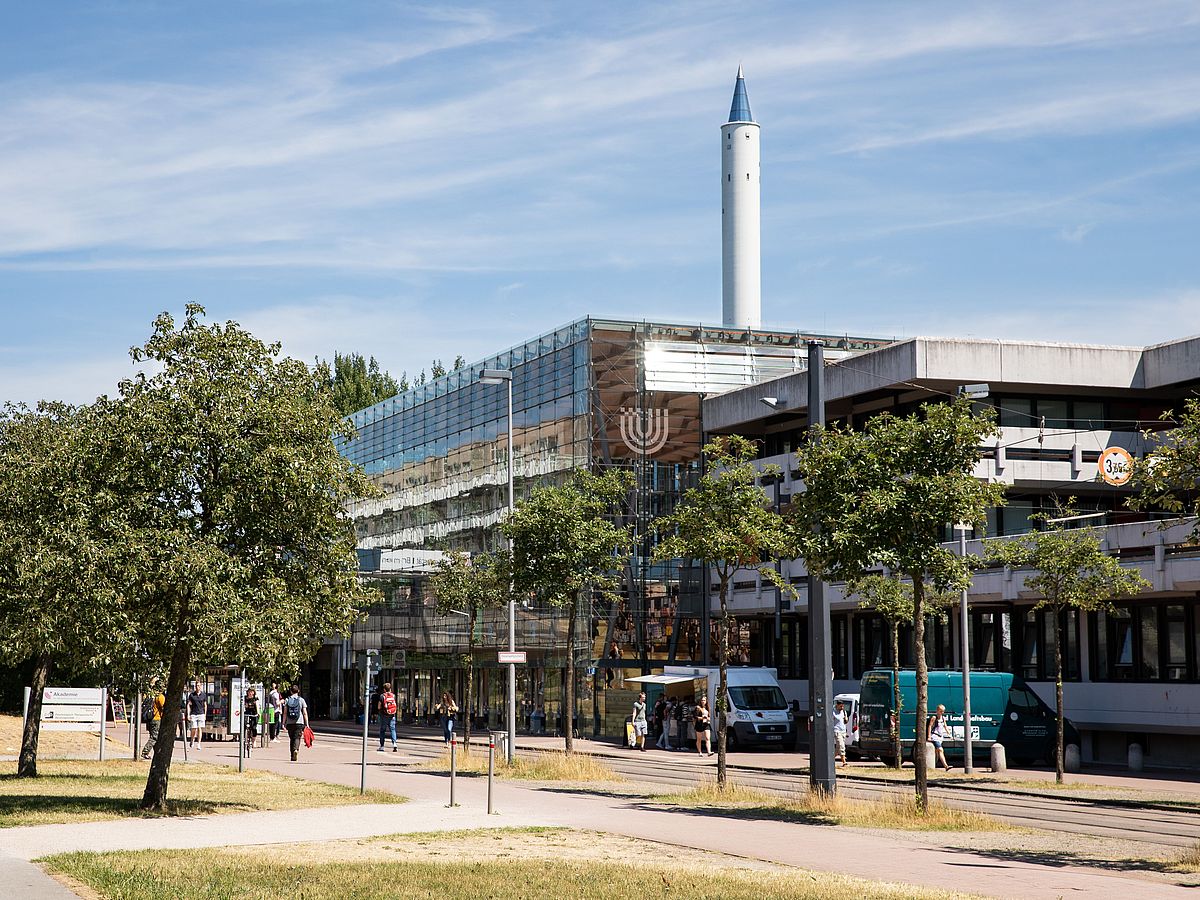
Zentralbereich der Universität. Im Hintergrund ist der Fallturm zu sehen.
Founded in 1971, the University of Bremen is a research-oriented university with around 18,000 students and over 100 degree programs. About 2,300 academic staff and 270 professors teach and research here.
It is known for its research-based learning, interdisciplinary approach, and social responsibility, principles rooted in the original “Bremen Model.” From 2012 to 2019, it held the title of “University of Excellence” with the concept “Ambitious and Agile.” The university maintains strong cooperation with nearby non-university research institutes, including eleven jointly funded institutes, and has been part of the U Bremen Research Alliance since 2016. It is also a member of YUFE (Young Universities for the Future of Europe).
Current priorities include internationalization, gender equality, and environmental sustainability.
Faculty of Business Studies and Economics
The Faculty of Business Studies and Economics plays a vital role within the university. In an increasingly globalized and digital world, it provides solid economic knowledge while also promoting an understanding of how economic choices relate to social, technological, and ecological issues.
The faculty offers a variety of bachelor’s and master’s programs, including Business Administration, Business Studies (International Advanced Student Program), Management Information Systems, The Economics of Global Challenges, Business Psychology, and a bachelor's program in Economics as either a double-major or full-major. The close integration of theory, empirical research, and practical relevance ensures that graduates are well-prepared for both academic and professional careers.
An important part of academic training is the faculty’s structured doctoral program. It gives researchers the chance to work in a research-focused environment while benefiting from close supervision and specialized qualification programs. The faculty emphasizes interdisciplinary approaches and international exchange.
An example of this is the Diginomics Research Group, an inter-faculty research platform that looks at the economic, social, and technological effects of digitalization. It brings together researchers from different fields and provides a dynamic setting to study topics like digital transformation, innovation, sustainability, and the future of work. The Diginomics Group serves as a model for research-driven, forward-thinking, and socially relevant economic research at the University of Bremen.
For further information click here.
© Universität Bremen
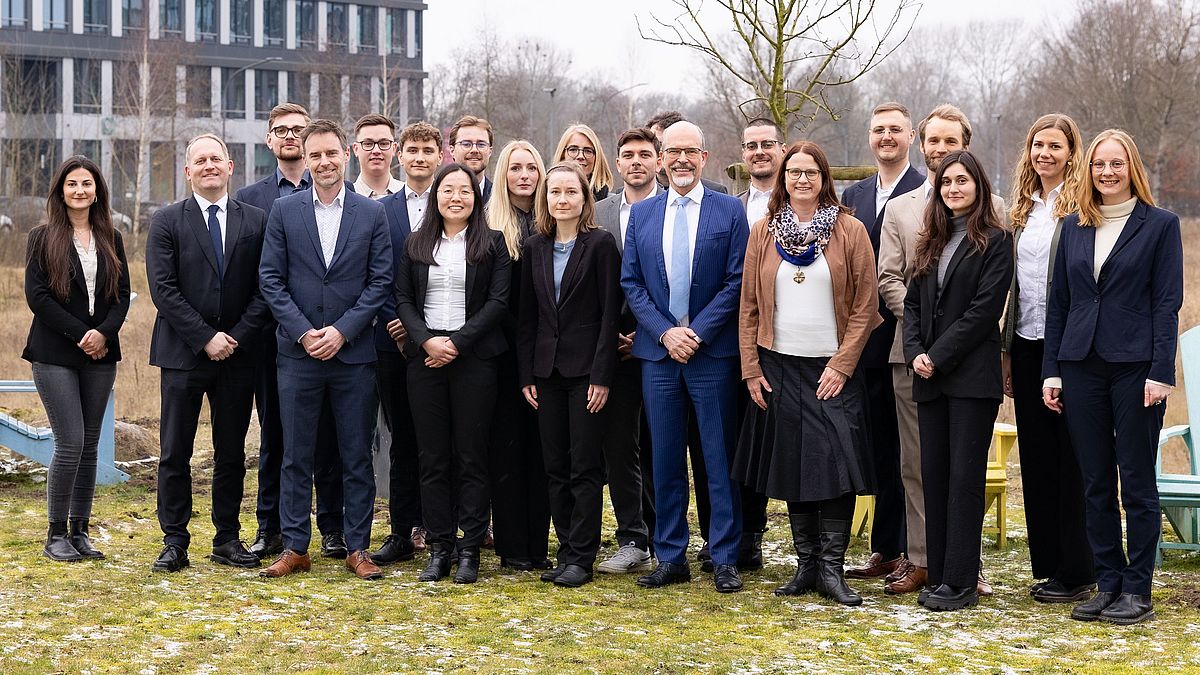
Currently, four professors (Prof. Burmann, Prof Eisenbeiß, Prof Klein and Prof. Klumpp) make up the markstones Institute of Marketing, Branding & Technology. We combine expertise in marketing, digital marketing, brand management, consumer behaviour as well as retail and logistics.
We concentrate on key issues within these areas, considering the impact of modern technological advancements like big data and artificial intelligence. Through our research projects, we collaborate closely with companies of al sizes, from start-up to multinational corporations, to find solutions to particularly relevant problems using state-of-the art research methods.
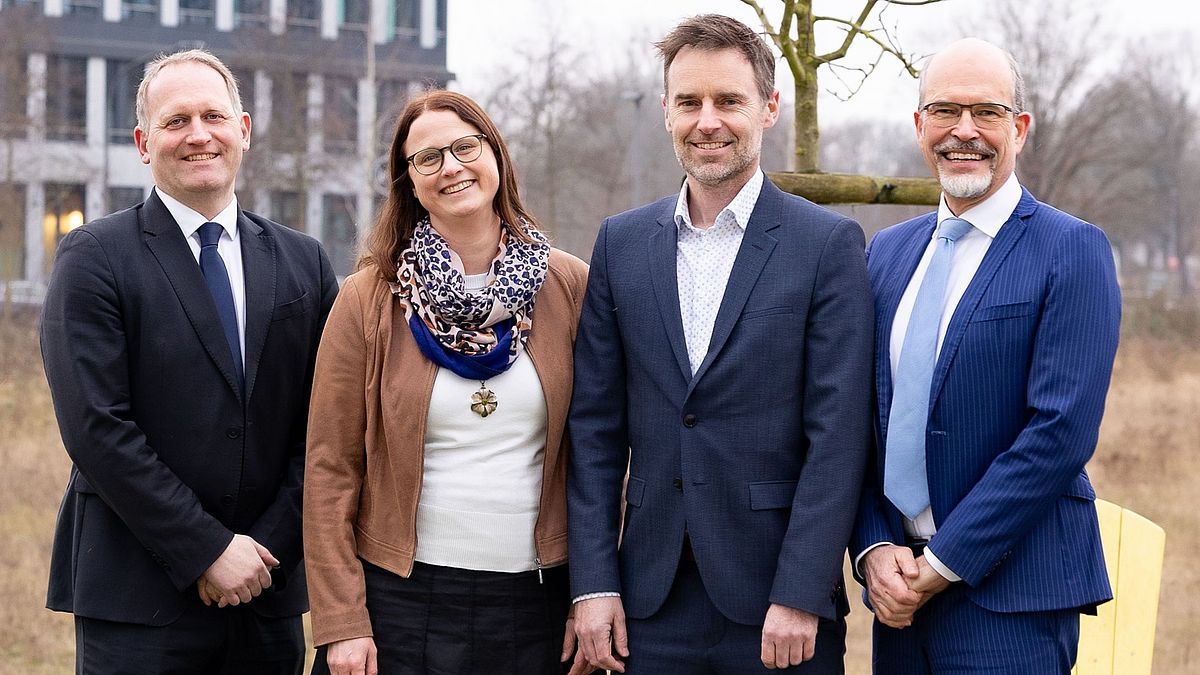
(from left to right)
Prof. Dr. Matthias Klumpp
Prof. Dr. Matthias Klumpp is Professor of Marketing at the University of Bremen since January 2025. He is also director of the markstones Institute of Marketing, Branding & Technology and heads its work group of “Retail and logistics management”. His research is published in renowned journals such as the Journal of Business Logistics, Production and Operations Management, European Journal of Operational Research and International Journal of Logistics Research and Applications.
Prof. Dr. Kristina Klein
Prof. Dr. Kristina Klein is Professor of Marketing at the University of Bremen since October 2018. She is also director of the markstones Institute of Marketing, Branding & Technology and heads its work group of “Consumer Behavior”. Her work is published in leading journals such as the Journal of Marketing Research, International Journal of Research in Marketing, Marketing Science, Journal of Interactive Marketing, and Journal of Marketing.
Prof. Dr. Maik Eisenbeiß
Prof. Dr. Maik Eisenbeiß has been Professor of Marketing at the University of Bremen since 2014. He is director of the markstones Institute of Marketing, Branding & Technology and head of the working group "Digital Marketing". Since 2023, he also serves as Dean of the Faculty of Economics. His work appears in leading international journals such as the Journal of Marketing, Marketing Science, Journal of the Academy of Marketing Science, Journal of Retailing, International Journal of Research in Marketing, and Journal of Business Research.
Prof. Dr. Christoph Burmann
Prof. Dr. Christoph Burmann is Professor of Marketing at the University of Bremen since October 2002. He is also director of the markstones Institute of Marketing, Branding & Technology and heads its work group of “Innovative Brand Management”. His work has been published in major journals like the Journal of Brand Management, European Journal of Marketing, Journal of Product & Brand Management, Journal of Service Theory and Practice, and Sustainability.
Vanessa von Salzen
Consumer Behavior

© Universität Bremen
Lennert Schleßelmann
Innovative Brand Management

© Universität Bremen
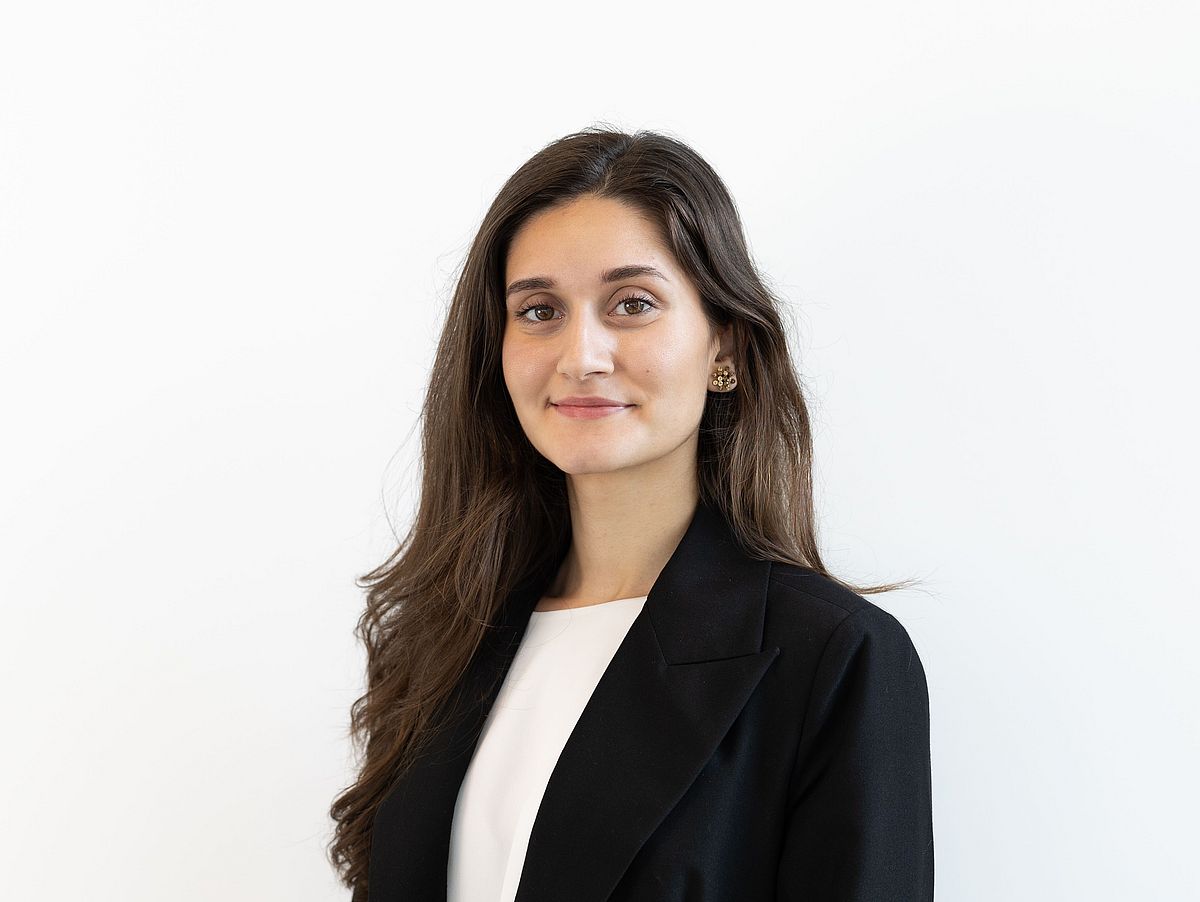
Selei Meiners
Consumer Behavior
© Universität Bremen
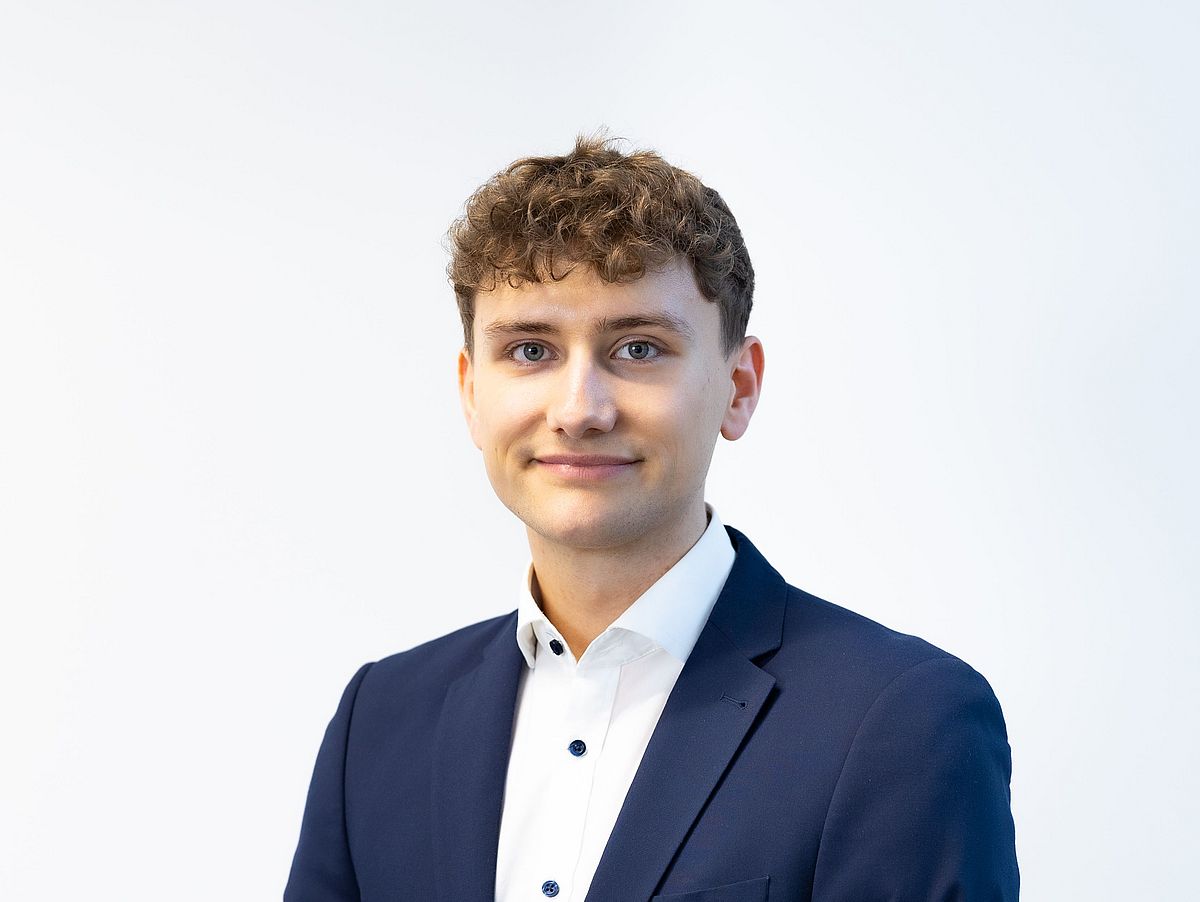
Jonas Küpker
Innovative Brand Management
© Universität Bremen
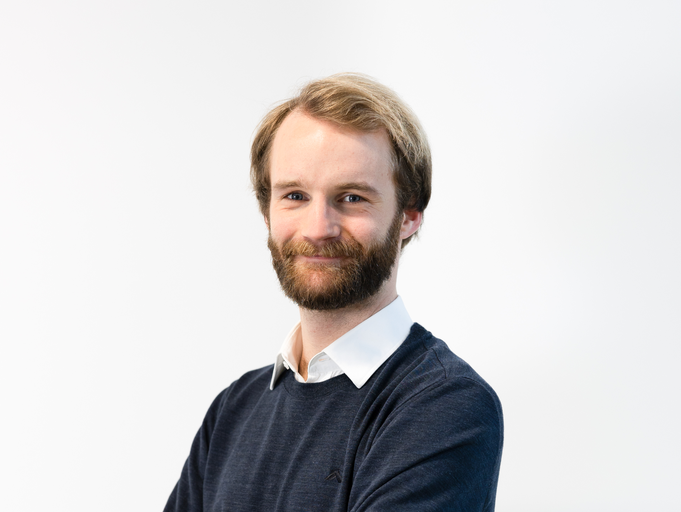
Lars Kröger
Digital Marketing
© Universität Bremen
Maria Keil
Retail and Logistics Management

© Universität Bremen
Tanja Riggers
Team Assistant

Paper Submissions & Registration
Deadline for paper submission
The deadline for submissions has passed.
PLEASE READ ALL INFORMATION BEFORE STARTING THE REGISTRATION PROCESS
To participate in the EMAC Fall Conference 2026 (or the Early-Stage Researcher Symposium only)*: Link for Registration EMAC Fall 2026 Bremen
*Delegates who have already paid the EMAC 2027 membership fee at the registration for EMAC Spring in Bath will not be charged the membership. Before starting the registration process, you need to send an e-mail to Anne-Laure Marteaux at almarteauxprotect me ?!emacprotect me ?!.academy
She will provide you with a code that needs to be entered in the registration process in order to only pay the conference registration fee.
Co-authors cannot be registered as accompanying person.
Only one accompanying person can be registered per delegate. Accompanying persons must be 18 years or older.
| Type of fee | Conference Registration fee | Accompanying person fee |
| Early registration (August 16, 2026 (23:59 CEST)) | €400 (incl. 125 € EMAC mbshp*) | €130 |
| Late registration (August 17 to September 01, 2026) | €440 (incl. 125 € EMAC mbshp*) | €150 |
| Cancellation fee** | €150 | €30 |
**General Terms and Conditions
- Cancellation requests must be sent to (emac2026protect me ?!witagoprotect me ?!.com)
- Cancellations made on or before August 16, 2026 23:59 CEST will be eligible for a refund, minus a €150 administrative fee. Cancellations made after August 16, 2026 23:59 CEST will NOT be refunded.
- Cancellations for the accompanying person made on or before August 16, 2026 23:59 CEST will be eligible for a refund, minus a €30 administrative fee. Cancellations made after August 16, 2026 23:59 CEST will NOT be refunded.
- No-shows are not eligible for a refund.
- Substitution of a registered delegate with an alternative person (limited to one of the listed co-authors) is permitted until (August 6th, 2026). Notification must be sent to emac2026protect me ?!uni-bremenprotect me ?!.de.
- Welcome Reception on September 16, 2026
- Gala dinner on September 17, 2026
- Coffee breaks and lunches during the conference
- Admittance to all scientific sessions of the conference
- Admittance to all special sessions/workshops of the conference
- Admittance to Early Research Symposium on September 16, 2026
- The EMAC Membership fee for 2027 (125€)*
- Conference documentation
- Certificate of attendance
- The Conference registration fee does not include the social events. Please see "Social Events" for further information.
*Delegates who have already paid the 2027 membership fee either individually or at the EMAC 2026 Annual Conference in Bath will not be charged for the membership.
The accompanying person registration fee includes:
- Welcome Reception on September 16, 2026
- Gala dinner on September 17, 2026
- Cancellation requests must be sent to (emac2026protect me ?!witagoprotect me ?!.com)
- Cancellations made on or before August 16, 2026 23:59 CEST will be eligible for a refund, minus a €150 administrative fee. Cancellations made after August 16, 2026 23:59 CEST will NOT be refunded.
- Cancellations for the accompanying person made on or before August 16, 2026 23:59 CEST will be eligible for a refund, minus a €30 administrative fee. Cancellations made after August 16, 2026 23:59 CEST will NOT be refunded.
- No-shows are not eligible for a refund.
- Substitution of a registered delegate with an alternative person (limited to one of the listed co-authors) is permitted until August 6th, 2026. Notification must be sent to emac2026protect me ?!uni-bremenprotect me ?!.de.
By no means shall EMAC be held liable, either directly or indirectly, for any problematic issue that may occur within the framework of the conference and its organization, not only with respect to the organizers but also with respect to third parties (airline companies, hotels, transportation, taxis, etc.) while in the performance of duties or services even indirectly related to the conference.
This contractual liability exemption clause is equally valid in case of an event of force majeure which leads to the disruption and/or the partial or complete cancellation of the conference programme, for reasons not attributable to EMAC. An event of force majeure is defined as an unforeseen and exceptional event – be it climatic, environmental, political or socio-economic – and does not imply any limitation. Furthermore, the delegate also expressly agrees to totally absolve EMAC from any responsibility and liability with regard to travel insurance and related costs or claims. It is solely up to the individual to seek out and purchase or otherwise obtain the necessary insurance with regards to his/her travel, etc. and/or to independently issue a claim against any third party that may be responsible for direct or indirect losses or damages caused to or suffered by the delegate en route to and from the conference.
The conference organizers are not responsible for any personal injury, loss, or damage to delegates’ property occurring during or as a result of the event. Delegates are strongly advised to ensure that they have adequate and valid personal insurance coverage.
Programme
Programme Overview
Click here to download the full conference programme as PDF file.
Located below you are able to click on each item of the agenda to receive further information (e.g., abstracts).
11:30 - 17:30
19:00
Registration and Welcome Reception
08:30 Registration
09:00 - 10:45 Welcome & Keynote Session Academia
11:00 - 12:30
Consumer Behavior 1: Green Consumption and Sustainable Behavior
Consumer Behavior 2: AI Assistance
Digital Marketing 1: Conversational AI in Customer Service
Marketing Analytics 1: Consumer Analytics, Personalization & Decision Making / AI and Transparency
Marketing and Branding 1: Branding in the age of AI
Marketing Strategy 1
Sustainability and CSR 1: Circularity and Take Back-Systems
12:30 - 13:30 Lunch Break
13:00 - 15:00
EMAC Fellows Research Feedback Workshop
Consumer Behavior 4: Technology and the Self
Consumer Behavior 3: AI & Customer Relationships
Digital Marketing 3: Digital Advertising
Digital Marketing 2: AI Adoption and Usage
Marketing Analytics 2: Marketing Measurement & Methodological Advances
Sustainability and CSR 2: Sustainable Consumption and Buying Behavior
15:00 - 16:00 Poster Session
16:00 - 17:30
Meet the Editors (1)
Sustainability and CSR 3: Sustainability and AI
Marketing and Branding 2: Sustainable Communication and Branding / CEO and Employer Branding
Consumer Behavior 5: Ambient and Situational Factors in Consumption Behavior
Consumer Behavior 6: Present Challenges and Consumer Behavior
Digital Marketing 4: Digital Customer Experiences
Digital Marketing 5: Virtual influencers and Virtual Reality
19:00
Gala Dinner & Best Paper Award
07:45 Registration
08:30 - 10:00
Meet the Editors (2)
Research Methods Workshop: Predictive Model Assessment, Comparison, and Selection in Marketing Research Using PLS-SEM (1)
A Workshop For Understanding And Using Instrument-Free Methods: When The Gaussian Copula Works, Cracks, And A New Method For Taking Up The Pieces
Digital Marketing 6: Influencer Marketing and the Creator Economy
Retail 5.0 1: Human-Centered Retail Technologies
Marketing Analytics 3: Digital Analytics & Predictive Modeling
Consumer Behavior 7: Consumers and Digital Worlds
Digital Marketing 7: AI & Transparency
11:00 - 12:30
Research Methods Workshop: Predictive Model Assessment, Comparison, and Selection in Marketing Research Using PLS-SEM (2)
Workshop: Turn Your Research Idea into a Registered Report
Retail 5.0 2: AI, Analytics and the Future of Retail Systems
Consumer Behavior 8: Consumer Interactions with Digital Platforms
Marketing and Branding 3: Cultural Value Branding
Consumer Behavior 9: Financial Decision Making
Marketing and Branding 4: Online and Line Extension Branding
12:30 - 13:30 Lunch Break
13:30 - 15:00
Keynote Session Practitioner
15:15 - 16:45
Consumer Behavior 10: From Intention to Green Action
Retail 5.0 3: Immersive Retail Technologies and Consumer Experience
Marketing Strategy 2
Marketing and Branding 5: Selected Marketing and Branding Topics
Digital Marketing 8: Avatars, Agents, and Immersive Experiences
17:00 - 18:00
Closing Ceremony

© ESCP Paris
Michael Haenlein
Michael Haenlein is a Professor of Marketing at ESCP in Paris and holds the Chair of Responsible Research in Marketing at the University of Liverpool Management School. He is among the top 25 most cited marketing researchers worldwide and has been included in the Clarivate Highly Cited Researchers Ranking — a distinction recognizing scholars whose work consistently ranks in the top 1% of citations globally. His research focuses on how digital technologies reshape firms and consumer relationships, spanning social media, influencer marketing, artificial intelligence, and digital platform dynamics. Prof. Haenlein has published over 75 articles in leading academic and practitioner journals, received the Jan-Benedict Steenkamp Award for long-term impact, and currently serves as Vice President of Publications at the The European Marketing Academy (EMAC) and on the Academic Council of the American Marketing Association. As a consultant, he has advised international companies across telecommunications, financial services, and technology — making his academic depth genuinely actionable for practitioners.

© Lisa Beller
Marc Fischer
Marc Fischer holds the Chair of Marketing Science and Analytics at University of Cologne, one of Europe's leading research institutions. His research sits at the vital intersection of marketing rigor and real-world applicability — encompassing marketing performance measurement, brand management, and marketing mix optimization — with publications in the field's most prestigious outlets, including the Journal of Marketing, Journal of Marketing Research, Marketing Science, and Management Science. Prof. Fischer has been appointed co-editor of the Journal of Marketing in 2025. His work has earned him multiple major international awards, including the Gary L. Lilien ISMS-MSI Practice Prize, the INFORMS Franz Edelman Award, and the VHB Best Paper Award. Beyond academia, he founded and chairs the Schmalenbach Working Committee "Marketing Performance Analytics," a unique initiative bringing leading scholars together with senior marketing executives to tackle cutting-edge applied challenges.

Dr. Stephan Wöllenstein
As former CEO of Volkswagen Group China — the company's single most important market globally — Dr. Wöllenstein navigated the extraordinary complexities of leading a multinational operation through rapid market transformation, electrification, and intensifying competitive dynamics from homegrown Chinese brands. Simultaneously holding the position of Member of the Board of Management of the Volkswagen Passenger Cars brand, Dr. Wöllenstein was not only a senior corporate decision-maker but the strategic architect of Volkswagen's China positioning at a pivotal inflection point for the global automotive industry. His unique vantage point — shaped by over a decade of on-the-ground experience across three joint ventures including SAIC Volkswagen and FAW-Volkswagen — offers our audience a valuable perspective on large-scale brand management, cross-cultural strategy, and the challenges of sustaining market leadership in one of the world's most competitive environments.

Andreas Persigehl
As Chairman of the Executive Board of REWE Region North, Mr. Persigehl is responsible for one of Germany's largest regional retail organizations, overseeing a business that serves millions of customers across Northern Germany. With more than two decades of leadership experience in the retail and consumer goods industry, he has held senior executive positions spanning logistics, operations, sales, and general management at companies including REWE, BIPA, tegut, and Baumax. His career reflects a rare combination of operational excellence, marketing and sales as well as strategic leadership, having successfully managed large-scale transformation initiatives, complex supply chains, and regional growth strategies across multiple European markets. Drawing on this extensive experience, Mr. Persigehl offers valuable insights into the future of food retail, organizational leadership, customer-centric transformation, and the operational challenges of managing large, decentralized retail networks in an increasingly dynamic market environment.
Special Sessions and Invited Workshops
Do you have a research idea you have been thinking about?
A small project you always wanted to pursue?
Or perhaps a course in which students develop their own research projects?
Now is the perfect opportunity to turn these ideas into reality.
As part of the EMAC Fall Conference in Bremen, we invite you to join a Mini Pitch Workshop dedicated to Registered Reports in Marketing ZFP – Journal of Research and Management.
Registered Reports are an innovative publication format that separates the evaluation of a research idea and study design from the study results. In a two-stage review process, the theoretical contribution and methodological rigor are reviewed before data collection, allowing researchers to receive an in-principle acceptance before conducting the empirical study.
This format reflects the principles of Open Science by promoting transparency, rigorous research designs, and reducing publication bias. The more intimate atmosphere of the EMAC Fall Conference provides the ideal setting for interactive discussions and constructive feedback on early-stage research ideas.
Who should participate?
This workshop is especially designed for:
- Early-stage researchers
- Doctoral students
- Junior faculty
What will happen?
Participants will receive detailed feedback on their research idea and proposed study
design from:
- Prof. Dr. Martin Klarmann (Editor-in-Chief, Marketing ZFP, KIT Karlsruhe)
- Prof. Dr. Kristina Klein (University of Bremen)
The objective is to strengthen your project and maximize its chances of a successful Stage 1 Registered Report submission to Marketing ZFP.
How to participate
Submit a proposal of up to five pages describing your planned project. The proposal should include:
- Research motivation
- Positioning within the literature
- Theoretical background and hypotheses
- A detailed empirical study design explaining how the hypotheses will be tested
Importantly, no data should have been collected prior to submission.
Submit this proposal until August, 10 via e-mail to emac2026protect me ?!uni-bremenprotect me ?!.de. We will process the proposals so that you can still register with an early-bird rate.
What to expect
During the workshop, your proposal will be discussed in an interactive format with the goal of developing it into a project with a high likelihood of acceptance as a Registered Report in Marketing ZFP.
Take advantage of the unique atmosphere of the EMAC Fall Conference to receive early, high-quality feedback, refine your research design, and take the next step toward transparent and impactful marketing research.

The EMAC Fall Conference offers a unique setting for interactive academic exchange. Building on this spirit, we are delighted to introduce the EMAC Fellows Research Feedback Workshop—an exclusive opportunity to receive in-depth feedback from distinguished EMAC Fellows in a small, constructive discussion format.
Conferences often leave little room for detailed conversations about projects that are still evolving. This workshop is designed to fill that gap by providing participants with dedicated time to discuss research projects that would particularly benefit from senior academic feedback. Whether you are revising a manuscript, rethinking a previously rejected paper, or developing a new research idea or positioning, this session offers the opportunity to gain valuable insights from experienced scholars in an open, supportive, and highly interactive environment.
Who can apply?
Applications are open to all researchers. Having submitted a paper to the EMAC Fall Conference is not a prerequisite, so researchers who have not submitted a conference paper are welcome to apply (with subsequent registration). Everyone else who has already submitted and registered is, of course, also invited to apply.
What should be submitted?
Applicants are invited to submit a proposal (maximum 5 pages) describing the project they would like to discuss.
Suitable submissions include:
- A manuscript currently under being revised
- A previously rejected project that is being redeveloped
- A new research idea or conceptual positioning
The proposal should include:
- The research question and research gap (including a brief literature overview)
- The proposed methodology
- The current status of the project ("What has been done so far?")
- A summary of the major revision points (where applicable)
- Specific questions and suggestions for discussion regarding possible ways forward
Selection process
The submitted proposals will be reviewed by the EMAC Fellows, who will select three projects for discussion and prepare detailed feedback in advance.
Selected applicants will be notified and asked to prepare a very short presentation for the session, focusing primarily on the aspects for which they seek feedback. The emphasis of the session is on discussion, idea exchange, and constructive feedback rather than formal presentation.
Session format
The 90-minute session will feature:
- Three selected proposals (approximately 30 minutes each)
- Four EMAC Fellows serving as discussants
- The author(s) of the selected proposals
To encourage open and honest discussion, the session will take place in a small, personal, and confidential setting. Attendance is limited to the EMAC Fellows and the selected authors, providing an exclusive opportunity for intensive feedback and mentoring.
Application
Please submit your proposal by July, 30th 2026 via emac2026protect me ?!uni-bremenprotect me ?!.de.
We warmly encourage researchers at all career stages to take advantage of this unique opportunity to discuss their work with experienced scholars and receive constructive feedback that can help shape the next stage of their research.
2 x 90 minutes | Friday, 18 September 2026, 8:30 a.m. to 12 pm | Room: TBD
This workshop aligns with the EMAC Fall 2026 theme, "Mind the Gap - Marketing Relevance in a Technology-Driven World," by helping marketing scholars close the gap between theory-driven model building and prediction-oriented, decision-relevant evidence. Participants learn how recent PLS-SEM advances in SmartPLS 4 support transparent assessment of competing theoretical models, out-of-sample prediction, and publication- ready reporting.
Overview
Session 1 (90 minutes):
- Overview of newest PLS-SEM advances and their usefulness for researchers and practitioners
- Predictive model assessment
- Break (30 minutes)
Session 2 (90 minutes):
- Alternative models and results comparison (e.g., information criteria and Akaike weights)
- Predictive model selection (e.g., using the CVPAT)
Background
Models simplify reality to reveal key relationships. While they can’t capture all its complexity, their strength lies in clarity and focus. While highlighting meaningful relationships, no single model fully explains a phenomenon. Exploring theoretically plausible alternative models for explaining the phenomenon under study is therefore a crucial step in advancing scientific knowledge in that it promotes transparency and challenges the overreliance on any one framework.
Alternative models typically emerge when considering theories in new contexts with unique variables and effects, or when researchers build conceptual bridges across related streams of inquiry to provide a holistic understanding of the phenomenon. Given a set of alternative models, researchers then try to identify the model that best approximates the data generation process underlying the phenomenon under study. Model selection may focus on explanation and confirmation of theoretical models, on their predictive power, or on an integrated combination of both. The choice depends fundamentally on the specific goals of the research, and understanding this purpose is crucial for appropriate model evaluation and justification. The research and model selection process involves numerous decisions made by researchers, informed by theory, methods, data, and results.
Workshop set-up and goals
This workshop focuses on predictive model assessment, comparison, and selection. In marketing research, partial least squares structural equation modeling (PLS-SEM) is a particularly useful method for this purpose. After an introduction and overview of newest advances in PLS-SEM, this special conference workshop focuses on predictive model assessment using PLSpredict and the cross-validated predictive ability test (CVPAT). On these grounds, we will discuss on how to theoretically establish alternative models and compare their model estimation results. For the predictive model comparison and selection, information criteria and the CVPAT represent useful methods, which we will introduce and discuss.
All concepts will be illustrated “hands-on,” using a case study and the broadly applied statistical software SmartPLS 4 software. The SmartPLS 4 software output diagnostics and interpretation of the results will be covered. Potential obstacles and “rules-of-thumb” to ensure appropriate application and interpretation of the techniques will be addressed.
Who should attend
Researchers wishing to learn more about the predictive estimation and assessment of alternative models, their results comparison, and predictive model selection using the PLS- SEM method via the SmartPLS 4 software for their top-tier journal publications.
Teaching resources
- Certificate of attendance.
- Comprehensive lecture slides will be provided to all participants (a QR code for download will be provided on site)
- Bring your laptop computer and a 2 or 3-way power extension lead.
- Download and install the SmartPLS 4 software from https://smartpls.com/downloads before attending the workshop (this is important, especially when admin rights are needed).
- Participants will receive a two-month SmartPLS 4 software license key (a QR code for download will be provided on site).
About the presenter
Christian M. Ringle is a Chaired Professor of Management and Decision Sciences at the Hamburg University of Technology (Germany), and an Adjunct Professor at the James Cook University (Australia). His research, which has been cited more than 400,000 times (Google Scholar), focuses on management and marketing topics, method development, business analytics, machine learning, and the application of business research methods to decision making. Christian’s contributions have been published in journals such as Industrial Marketing Management, International Journal of Research in Marketing, Information Systems Research, Journal of the Academy of Marketing Science, MIS Quarterly, and Organizational Research Methods. Since 2018, Christian has been included in the Clarivate Analytics’ Highly Cited Researchers list. He is a co-founder and co-developer of SmartPLS (https://www.smartpls.com), a statistical software with a graphical user interface. Click here to get to his profile.
Prof. Dr. Christian M. Ringle

Key literature
Prior exposure to PLS-SEM is recommended but not required. In any case, we recommend the following PLS-SEM literature:
Sarstedt, M., Ringle, C. M., & Hair, J. F. (2025). Partial Least Squares Structural Equation Modeling. In C. Homburg, M. Klarmann, & A. E. Vomberg (Eds.), Handbook of Market Research (pp. 1-56). Cham: Springer.
Sharma, P. N., Shmueli, G., Sarstedt, M., Danks, N., & Ray, S. (2021). Prediction-oriented Model Selection in Partial Least Squares Path Modeling. Decision Sciences, 52(3), 567- 607.
Sharma, P. N., Liengaard, B. D., Hair, J. F., Sarstedt, M., & Ringle, C. M. (2023). Predictive Model Assessment and Selection in Composite-based Modeling Using PLS-SEM: Extensions and Guidelines for Using CVPAT. European Journal of Marketing, 57(6), 1662- 1677.
Additional literature recommendations
Hair, J. F., Hult, G. T. M., Ringle, C. M., & Sarstedt, M. (2027). A Primer on Partial Least Squares Structural Equation Modeling (PLS-SEM) (4 ed.). Thousand Oaks, CA: Sage.
Guenther, P., Guenther, M., Ringle, C. M., Zaefarian, G., & Cartwright, S. (2023). Improving PLS-SEM Use for Business Marketing Research. Industrial Marketing Management, 111(May), 127-142.
Hair, J. F., Sarstedt, M., Ringle, C. M., & Gudergan, S. P. (2024). Advanced Issues in Partial Least Squares Structural Equation Modeling (PLS-SEM) (2 ed.). Thousand Oaks, CA: Sage.
Ringle, C. M., Sarstedt, M., Sinkovics, N., & Sinkovics, R. R. (2023). A Perspective on Using Partial Least Squares Structural Equation Modelling in Data Articles. Data in Brief, 48, 109074.
Sarstedt, M., Hair, J. F., Pick, M., Liengaard, B. D., Radomir, L., & Ringle, C. M. (2022). Progress in Partial Least Squares Structural Equation Modeling Use in Marketing Research in the Last Decade. Psychology & Marketing, 39(5), 1035-1064.
Sarstedt, M., Hair, J. F., & Ringle, C. M. (2022). "PLS-SEM: Indeed a Silver Bullet" – Retrospective Observations and Recent Advances. Journal of Marketing Theory & Practice, 31(3), 261-275.
Liengaard, B. D., Sharma, P. N., Hult, G. T. M., Jensen, M. B., Sarstedt, M., Hair, J. F., & Ringle, C. M. (2021). Prediction: Coveted, Yet Forsaken? Introducing a Cross-validated Predictive Ability Test in Partial Least Squares Path Modeling. Decision Sciences, 52(2), 362-392.
Sharma, P. N., Sarstedt, M., Ringle, C. M., Cheah, J.-H., Herfurth, A., & Hair, J. F. (2024). A Framework for Enhancing the Replicability of Behavioral MIS Research UsingPrediction Oriented Techniques. International Journal of Information Management, 78, 102805.
Sharma, P. N., Sarstedt, M., Shmueli, G., Kim, K. H., & Thiele, K. O. (2019). PLS-Based Model Selection: The Role of Alternative Explanations in Information Systems Research. Journal of the Association for Information Systems, 20(4), 346-397.
Danks, N. P., Sharma, P. N., & Sarstedt, M. (2020). Model Selection Uncertainty andMultimodel Inference in Partial Least Squares Structural Equation Modeling (PLS-SEM). Journal of Business Research, 113, 13-24.
Rigdon, E., Sarstedt, M., & Moisescu, O. I. (2023). Quantifying Model Selection Uncertaintyvia Bootstrapping and Akaike Weights. International Journal of Consumer Studies, 47(4), 1596-1608.
Additional literature: https://www.smartpls.comà Resources
Short Abstract
Endogeneity undermines causal inference in marketing research. Traditional fixes need valid instrumental variables, which are often difficult to find. Copula-based methods provide a promising instrument-free alternative. This hands-on workshop, designed for applied researchers, authors, and reviewers, delivers a well-rounded understanding, a code library for recent advances, and concrete guidance. We diagnose common omitted-variable cases where copulas fail and present an alternative method that handles them—also with code. Participants follow a complete workflow: assessing when which method suits their context, choosing the right method, coding and integrating it into models, and drafting manuscript sections on testable and untestable assumptions.
Overview
This workshop supports marketing researchers where data cannot be experimentally altered. Copula-based (and other novel) methods provide instrument-free endogeneity correction that, in select cases, outperforms medium/weak instruments. Correct use, however, requires understanding all assumptions; mindless application can fail catastrophically.
Three barriers inhibit correct use:
- (1) limited understanding and resulting reservations,
- (2) limited awareness of variants for problem–method fit, and
- (3) a perception of a complicated literature that hides straightforward implementations in standard analysis code. The workshop addresses these barriers—encouraging adoption where warranted while warning against using copulas as a “get-out-of-endogeneity-jail” card. The primary audience are reviewers who must judge copula-corrected models; also marketing researchers and PhD students can use this workshop to build their empirical toolkits.
By combining mini-lectures, case studies, and hands-on exercises, attendees gain conceptual knowledge and practical skills. Every participant leaves with a code library to run copula-based and other instrument-free methods in their own models, plus an understanding of what to look out for (and what to demand as reviewer) in the explaining paragraphs, statements, and statistics of existing empirical studies with instrument-free methods.
Opening Mini Lecture (5 min): The Problem of Endogeneity
We introduce endogeneity as a core empirical challenge, show how it arises across business contexts, and explain why OLS fails. We review instrumental variables (IV): power and limitations, including strong/fragile assumptions and the scarcity of valid instruments. These constraints motivate instrument-free approaches, setting up copula-based methods.
Introduction and Theoretical Foundations of Copula-Based Methods (15 min)
The first technical session defines copulas and their role in handling dependence between endogenous regressors and errors without instruments.
Topics:
- Sklar’s Theorem: expressing a joint distribution via marginals and a copula.
- Gaussian Copula Control Function (GCCF): the most widely used approach in marketing; structure and intuition.
Assumptions: normal structural errors, continuity of endogenous regressors, and Gaussian dependence between regressors and errors, with examples and practical plausibility checks.
Challenges & extensions: limits of the Gaussian copula; alternative copulas; methods that relax error-normality.
Practical Implementation (20 min, in R)
The hands-on session equips participants with the skills to implement copula-based methods using statistical software. The focus will be on the R programming language.
Participants will learn:
- Data preparation: detect potential endogeneity; choose variables and transformations.
- Estimation: estimate GCCF, generate correction terms, and integrate them into regressions; address boundary issues in the probability integral transform and summarize recent fixes.
- Interpretation: read copula-corrected outputs for actionable implications; emphasize the often-ignored estimate of correlation between endogenous regressors and errors.
- Troubleshooting & tests of assumptions: handle non-convergence and violations; provide pragmatic diagnostic guidelines for verifying identifying assumptions (often underemphasized in the literature).
[5 min break]
Revisiting the assumptions in a DAG; introducing new method (10 min)
The second technical session will map GCCF assumptions to an implied data-generating process (DGP) and corresponding causal diagrams (DAGs). Participants learn to argue whether their context matches this DGP. Participants will uncover themselves, when the copula fails in classic omitted variable settings. We then discuss what could be done to remedy that.
A New Method (10 min)
We present an instrument-free estimator targeted precisely to the omitted variable DGP. The approach recasts omitted-variable bias as a blind source separation problem and uses Independent Component Analysis (ICA) to extract the latent normal confounder shared by the endogenous regressor and the outcome. Under minimal and interpretable conditions, comparable to the three original GCCF assumption—normality of the structural error and confounder, and non-normal exogenous variation in the regressor—ICA recovers a control function that absorbs the endogeneity, yielding consistent estimates without external instruments. We provide identification proof, an algorithmic recipe, diagnostics for the assumptions, and open-source code to the participants.
Case Studies (10 min)
This part covers real-world applications of instrument-free (copula- or ICA-based) methods in a marketing model (where the method originates from). Participants will analyze case studies that demonstrate the versatility and effectiveness of these methods in addressing endogeneity. We will also pay special attention to scenarios in which the respective approach does not work to highlight limitations.
Write-up and Discussion and Outlook (10 min)
Building on the foundational and practical sessions, this segment showcases how to present and argue for an instrument-free approach in a manuscript, and conversely what to look out for and demand when reading or reviewing one. We will further provide an outlook into further topics and ongoing methodological developments. Topics may include: Recent methods that relax or address the Gaussian dependence assumption; Extensions that allow for the inclusion of binary or categorical endogenous regressors; Techniques for handling nonlinear dependencies and interaction terms, essential for complex marketing models.
This segment will encourage participants to think critically about the economic and statistical assumptions underlying their models, ensuring that their applications of instrument- free methods are both rigorous and contextually appropriate. Participants will leave with actionable plans and a network of peers to support their future work.
[5 min buffer, Q&A]
Chairs and Workshop Presenters
Florian Dost

Rouven Haschka

Tracks & Track Chairs
This track invites papers that contribute to the advanced understanding of consumers and consumption and their role for marketing. Contributions may address topics such as consumer decision processes, emotions in decision processes, social influences on consumer behavior, consumer experiences, psychological and personal factors that influence consumer decisions, impact of technologies on consumer behavior and similar topics.
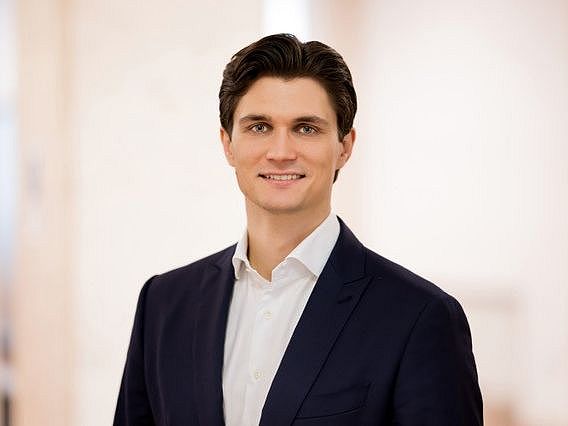

This track focuses on the rapidly evolving landscape of digital marketing, where technology, data, and human creativity intersect. We invite research that examines how emerging tools, such as artificial intelligence, large language models, automation systems, and data-driven optimization, are reshaping marketing strategy, customer experiences, and organizational capabilities. At the same time, we welcome work addressing the challenges and opportunities posed by digital advertising ecosystems, platform governance, privacy regulation, and shifting consumer expectations. We encourage conceptual, empirical, and methodological contributions, and especially work that bridges academia and practice.
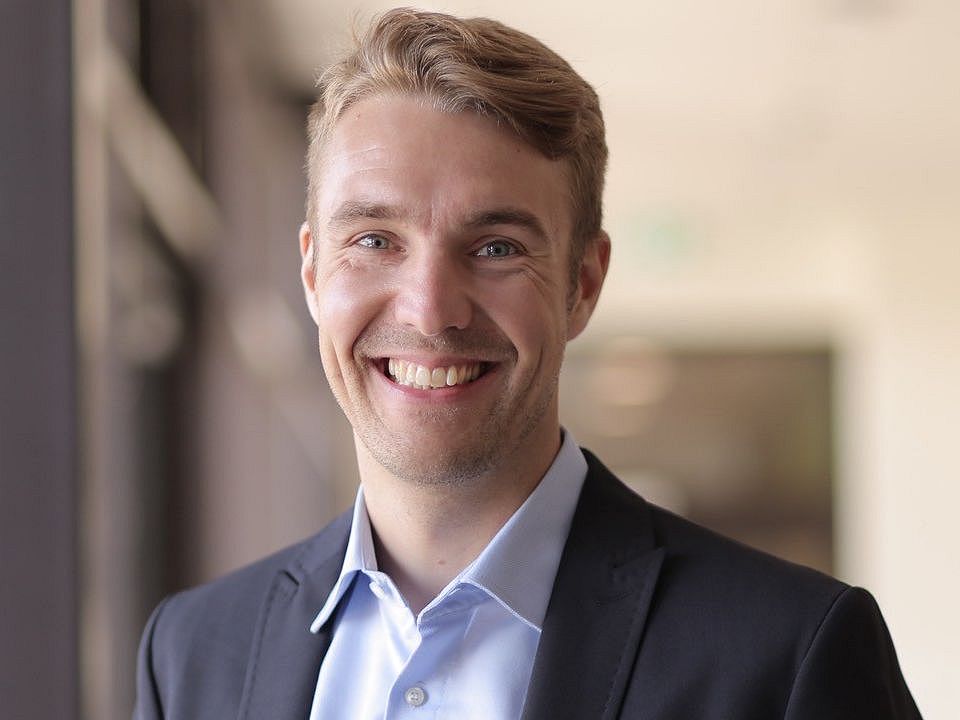

Environmental social and governance crises pose important challenges for Marketing academics and practitioners and, at the same time, call firms to engage more actively in driving sustainable development. This track invites research on the intersection of marketing and ESG, with a focus on sustainability and corporate social responsibility.
We are particularly looking for manuscripts that answer some of the following questions:
- How is Marketing being affected by climate crises?
- What are the main challenges for Marketing managers in integrating sustainability and social concerns into their marketing planning?
- What are currently state-of-the-art ethical Marketing practices?
- How do communication strategies integrate CSR concerns?
- What is the role of Marketing in advancing environmental and social objectives?
- How do market and competitive conditions impact sustainable development trajectories?
- What is the impact of circularity / circular economy on marketing?


This track welcomes research on the development, implementation, and evaluation of marketing strategies across a broad range of industries and markets (e.g., B2C, B2B, C2C). We invite submissions from all areas of marketing, including advertising, pricing, product innovation, and international marketing. We are particularly interested in work that focuses on marketing decision processes, market orientation, competitive dynamics, and the design and performance of marketing mix elements. Submissions should provide insights that inform managerial decisions and create meaningful impact for organizations and society.
Track Chairs
Edlira Shehu

© Edlira Shehu

© Márcia Maurer Herter
This track invites quantitative papers that use or develop high-powered statistical, econometric, or data-science models to advance rigorous marketing analytics and research methodology. We welcome studies drawing on surveys, field or laboratory experiments, transactional or purchase data, and emerging data sources such as text, audio, and video. Submissions may apply advanced analytical techniques—e.g., structural equation models, marketing-mix models, machine-learning approaches, or Bayesian methods—or introduce new methodological contributions that enhance the toolkit of marketing researchers.
If your research aligns with the type of work typically considered for journals such as Marketing Science, Journal of Marketing Research, the marketing section of Management Science, or Quantitative Marketing and Economics, this track is a strong fit, regardless of whether you intend to submit your work to those outlets.


This track seeks empirical (and conceptual) research that aims to advance the marketing discipline’s understanding of building, managing, and sustaining successful products and brands. If your research is about a topic that is usually considered for publication in general purpose marketing journals (e.g., Journal of Marketing or International Journal of Research in Marketing), the Journal of Product & Brand Management and the Journal of Brand Management, this is the right track for your work even if you do not consider submitting your work to that journal.
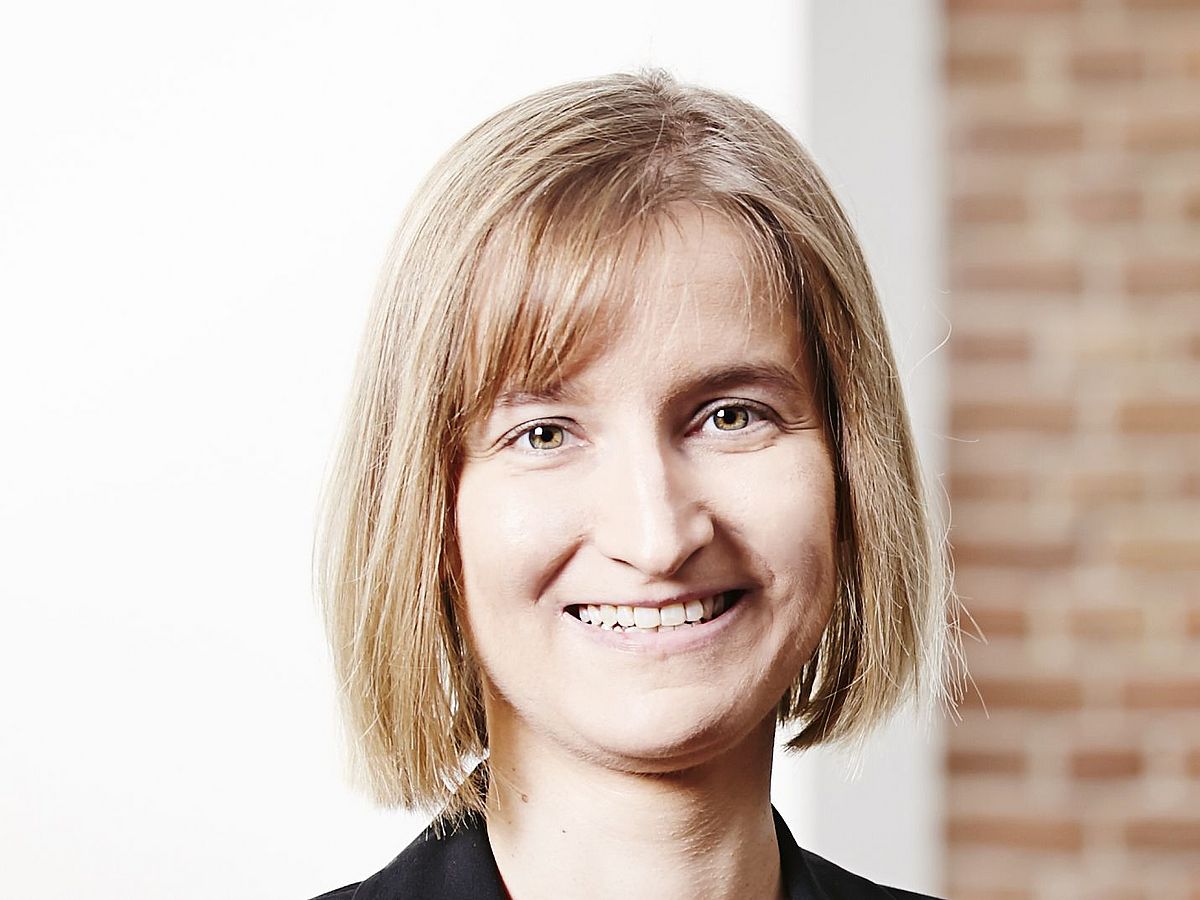

This track invites high-quality research that advances the theoretical and empirical understanding of modern retailing. We welcome studies that examine contemporary challenges at the intersection of retail marketing and retail operations, with particular emphasis on technology-driven innovation and human-centred design. We particularly encourage contributions that integrate marketing and operations perspectives. Potential topics include, but are not limited to digital and multichannel integration from the customer perspective, neuroscience-based insights into customer and worker behavior, and the role of systemic frontline professions such as order pickers, store personnel, and delivery drivers.
We welcome submissions drawing on a wide range of empirical and analytical methods, including surveys, field and laboratory experiments, behavioral and neurophysiological data, transactional data, and multimethod designs. If your research aligns with the type of work typically considered for journals such as the Journal of Retailing, Journal of Marketing Research, Journal of Business Logistics, Journal of Operations Management or Marketing Science, this track is an excellent fit for your submission, even if you do not intend to submit your completed work to those outlets.



Best Paper Award
Best EMAC Fall Conference Paper Award recognizes the best paper submitted to the EMAC Fall Conference.
The criteria to be used for awarding the best paper are:
Contribution to the advancement knowledge in marketing;
Methodological rigor used;
Managerial application of results.
The winning paper is selected through a process overseen by the EMAC Fall Conference Chairs. Papers are nominated for the award by reviewers during the competitive review process. The final selection for the Best EMAC Fall Conference Paper Award is made by the Conference Chairs in collaboration with the EMAC Vice-President Publications, Professor Michael Haenlein.
Winners are awarded a certificate.
Early-Stage Researcher Symposium
Pre-Conference 7th Early-Stage Researcher Symposium
Date: 16 September 2026
Location: WiWi1 building (Enrique-Schmidt-Straße 1, 28359 Bremen)
ERS is an initiative of EMAC for early-stage researchers, including young lecturers, postdocs, PhD students as well as senior researchers who want to learn more about how to conduct research and publish. The symposium provides an opportunity to learn from experienced researchers and supports the development of professional skills for building an academic career. The ERS is an opportunity to meet like-minded people, present your research interests, exchange ideas and potentially start project collaborations and networking.
Programme
| 12:30-12:45 | Welcome: Vesna Zabkar, University of Ljubljana, ERS Co-Chair |
| 12:45-13:45 | ERS Session 1: Susanne Adler, Ludwig-Maximilians-University Munich: The Future of Marketing Science is Open! |
| 13:45-14:45 | ERS Session 2: Ulrike Phieler, WU Vienna and Susanne Adler, LMU Munich: Workshop on Reproducibility and Replication Packages |
| 14:45-15:15 | Break |
| 15:15-16:15 | ERS Session 3: Marco Mandolfo, Politecnico di Milano: Expanding the Marketing Researcher’s Toolbox: Opportunities Offered by Neuroscience-based Methods |
| 16:15-17:30 | ERS Networking Session & Research Collaborations: Vesna Zabkar, University of Ljubljana, ERS Co-Chair with presenters from the ERS sessions |
Meet the Session Leaders
Vesna Žabkar
Full Professor of Marketing at the School of Economics and Business, University of Ljubljana. She is Vice‑Dean of Research, Head of the Institute for Marketing, and an experienced teacher in strategic marketing and communications. Her research focuses on the role of marketing within firms, marketing communications effectiveness, accountability and sustainability, and she has served as a visiting scholar at Northwestern University and visiting professor at University of Vienna.
Profile


© University of Ljubljana
Susanne Adler
Postdoctoral researcher at the Institute for Marketing, Ludwig‑Maximilian University of Munich. Her research bridges consumer decision‑making and meta‑science, with interests in sensory influences on choice, open science practices in marketing, and methodological transparency.
Profile


© LMU
Ulrike Phieler
Assistant Professor of Marketing at the Institute for Interactive Marketing & Social Media, WU Vienna (Vienna University of Economics and Business). Her research explores consumer interactions, word‑of‑mouth effects, influencer marketing and advertising effectiveness, aiming to generate actionable insights for managers.
Profile

© Fotoatelier Losert

© WU Vienna
Marco Mandolfo
Assistant Professor in Strategy & Marketing at the Politecnico di Milano, Department of Management, Economics and Industrial Engineering. His work employs consumer neuroscience and applied psychophysiology to study consumer behavior in immersive environments and to develop human‑centered metrics for advertising and decision‑making research.
Profile

© Politecnico di Milano

© Politecnico di Milano
Fee
- For EMAC Fall participants: The ERS is included in the conference fee.
- Early Researcher Symposium Fee: €50
- To register only for ERS, please navigate to the online registration page and select “ERS (Early Researcher Symposium) Only” option.
Conference Venue, Welcome Reception & Gala Dinner

© Harald Rehling / Universität Bremen
© Harald Rehling / Universität Bremen
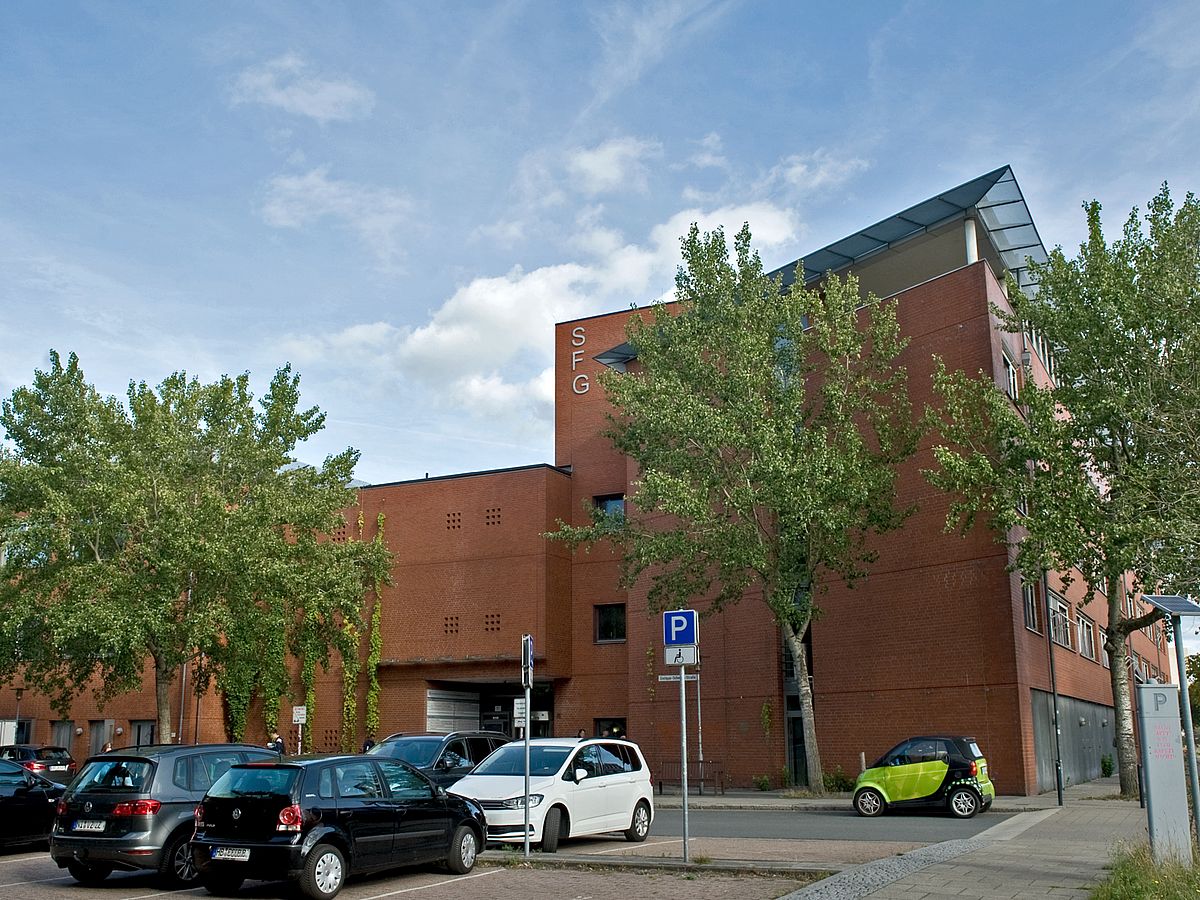
Venue: Seminar- und Forschungsverfügungsgebäude (SFG)
Address: Enrique-Schmidt-Straße 7, 28359 Bremen
The conference will take place in the Seminar- und Forschungsverfügungsgebäude (SFG) at the University of Bremen. Located on the university’s spacious campus in the north of the city, the SFG provides a modern academic setting with excellent infrastructure. Despite its campus setting, the venue is well connected to the city center, allowing participants to easily experience Bremen beyond the conference.
During the conference, spaces for private meetings are available in the WiWi1 building (Enrique-Schmidt-Straße 1, 28359 Bremen), a 5-minute walk from the conference venue.
Public Transportation
The SFG is easily accessible by tram from the city center and the main railway station.
From Bremen Main Station (Bremen Hauptbahnhof):
- Take Tram Line 6 in the direction of Universität.
- Get off at Bremen Universität-Süd (approx. 15–20 minutes).
- From there, it is a short walk across campus to the Seminar- und Forschungsverfügungsgebäude (SFG).
From Bremen Airport (BRE):
- Take Tram Line 6 directly from the airport toward Universität.
- Get off at Bremen Universität-Süd.
- Walk a few minutes to the SFG building.

© Henry Fried

© Hufton+Crow
Venue: Übersee-Museum Bremen
Address: Bahnhofsplatz 13, 28195 Bremen
We are pleased to invite all conference participants to the Welcome Reception at the Übersee-Museum Bremen, one of Germany’s most renowned museums for global cultures, natural history, and trade. Attendance is included in the conference registration fee. Please wear your conference badge during the event.
Located directly opposite Bremen Main Station, the Übersee-Museum is housed in an impressive historic building dating back to the late 19th century. The museum reflects Bremen’s long-standing role as an international trading city and offers a unique setting that combines history, global perspectives, and contemporary exhibition design. Surrounded by the vibrant city center, the venue is within walking distance of Bremen’s historic old town, making it an ideal location to welcome participants and initiate informal exchange in an inspiring cultural environment.
Public Transportation
The Übersee-Museum is extremely well connected and easily accessible.
From Bremen Main Station (Bremen Hauptbahnhof):
- The museum is located directly opposite the main station at Bahnhofsplatz.
- Exit the station toward Bahnhofsplatz; the museum entrance is a 1–2 minute walk.
From Bremen Airport (BRE):
- Take Tram Line 6 toward Universität.
- Get off at Hauptbahnhof (approx. 15 minutes).
- Walk a short distance to the museum.
© GOP Bremen/Restaurant Leander
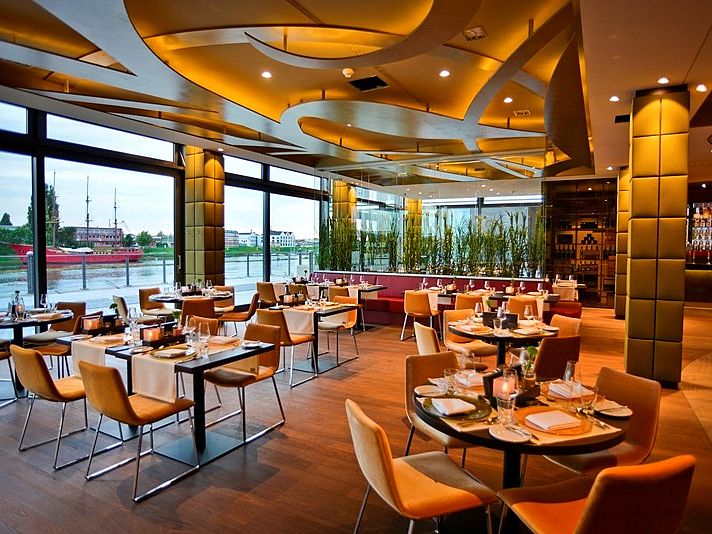
Venue: Restaurant Leander
Address: Am Weser-Terminal 4, 28217 Bremen
Join us for the conference gala dinner at Restaurant Leander in the beautiful GOP Varieté Theatre in Bremen, an elegant venue situated at the entrance to Bremen’s modern Überseestadt district. Attendance is included in the conference registration fee. Please indicate when registering for the conference whether you wish to attend, and please wear your conference badge throughout the event.
Leander Restaurant is located directly within the GOP Varieté Theatre, a modern building that blends seamlessly into the up-and-coming Überseestadt district. Whilst breathtaking performances are staged in one of the GOP’s ever-changing shows next door, you can enjoy international cuisine with a direct view of the River Weser. The large summer terrace provides an excellent setting for lovely summer evenings, whilst you can marvel at the sunset behind the port’s industrial facilities.
Public Transportation
The Restaurant Leander in the GOP Varieté Theatre is easily accessible by public transport and on foot.
From Bremen Domsheide City Center:
- Tram Line 3 to “Gröpelingen” and get off at “Eduard-Schopf-Allee”. From there, it is a 10-minute walk to the GOP Varieté Theatre with the Restaurant Leander
Bremen
Bremen is a historic Hanseatic city in northern Germany, with around 570,000 residents. The city is known for its maritime history, open atmosphere, and strong ties to science, culture, and sustainability.
The heart of Bremen is the historic market square, featuring the UNESCO World Heritage Town Hall and the famous Roland statue. The city also boasts modern architecture, green parks, and a vibrant cultural scene. As a hub for science and business, Bremen plays a key role in northern Germany, excelling in aerospace, logistics, digitalization, and environmental sciences. The close connections between research institutions, industry, and public administration create a dynamic environment for innovation and collaboration.
For further information visit bremen.eu.
© Google Maps
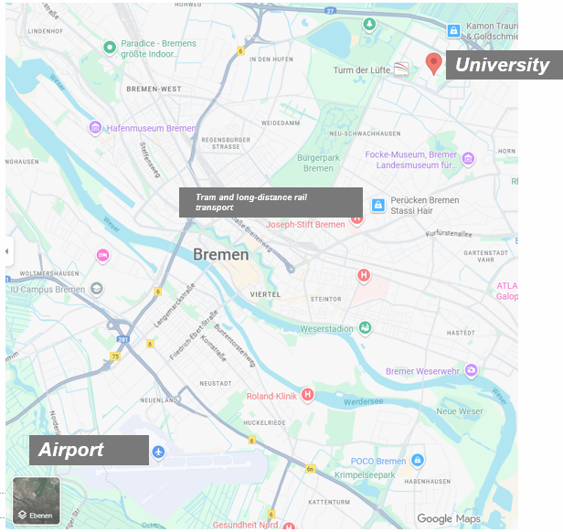
Bremen is located in the center of Europe and has a well-developed public transport system, including trams, buses, and taxies. Uber is also available in Bremen. As a relatively small city, everything is centrally located, making it easy to reach most places quickly. The well-organized public transport network ensures that all parts of the city are conveniently accessible.
From Bremen Airport
The international Bremen Airport is only about 4 km from the city center. Tram line 6 runs directly from the terminal via the main train station to the University of Bremen (stop “Universität/Zentralbereich”). The trip takes about 25 minutes. Taxis and rental cars are also available.
Directions to the University of Bremen
From Bremen Main Station: You can reach the campus easily by taking tram line 6 toward the university or by taxi.
By car
The university is accessible via the A27 highway, exit “Universität / Horn-Lehe.” Parking is available on campus.
Besides the usual booking platforms, there are a few alternatives specific to Germany and Bremen.
When using a computer, the VBN trip planner (for local public transport) and the DB trip planner (for local, regional, and national train connections) are recommended.
When using a mobile device, the apps BSAG FahrPlaner (for local public transport; download for Android or IOS) and DB Navigator (for local, regional and national train connections; download for Android or IOS) are recommended.
Uber is also available in Bremen.
Consulates & Embassies
In Germany, foreign embassies are located in Berlin. Consulates are also present in cities like Frankfurt am Main, Hamburg, Munich, and Stuttgart.
Health & Safety
Bremen has modern medical facilities and a well-developed healthcare system. Pharmacies are widely available. In emergencies (ambulance, fire), call 112 or (police) 110. Services are available in multiple languages.
Language & Currency
The official language is German. However, English is widely used. The local currency is the Euro (€).
Time Zone
Central European Time (CET, UTC +1) / Central European Summer Time (CEST, UTC +2).
Electrical Devices
Voltage: 230 V, 50 Hz; plug type F. Adapters may be needed for international devices.
Travel Documents & Visa
EU citizens need only a valid ID card or passport. Non-EU countries must obtain a visa before entering from the appropriate German diplomatic mission.
Accommodation
Bremen is served by various accommodation alternatives, including traditional large hotels, smaller hotels, or guest houses with differentiated service and location. All these alternatives are accessible through the usual online booking platforms.
The organizing committee recommends choosing accommodation close to the University of Bremen or in the city center.
A limited number of rooms which includes a discount have been reserved for the EMAC Fall Conference 2026. Please refer to the individual hotels for specific instructions regarding reservation.
Please note that reserved rooms are only available until August 5th, 2026. After that, rooms will be released for general booking.

© 7THINGS

© 7THINGS
Address: Universitätsallee 4, 28359 Bremen, Germany
Website: 7things.de
The 7Things is located directly in the University and Technology Park, close to the University of Bremen campus and about 5 minutes on foot from the main university buildings.
Please use the code "EMAC Fall 2026" when booking via phone, email, or through the website. When booking through the website, please include the code in the comments section of the booking. Available until 5th August 2026.

© Munte GmbH & Co. KG
© Munte GmbH & Co. KG
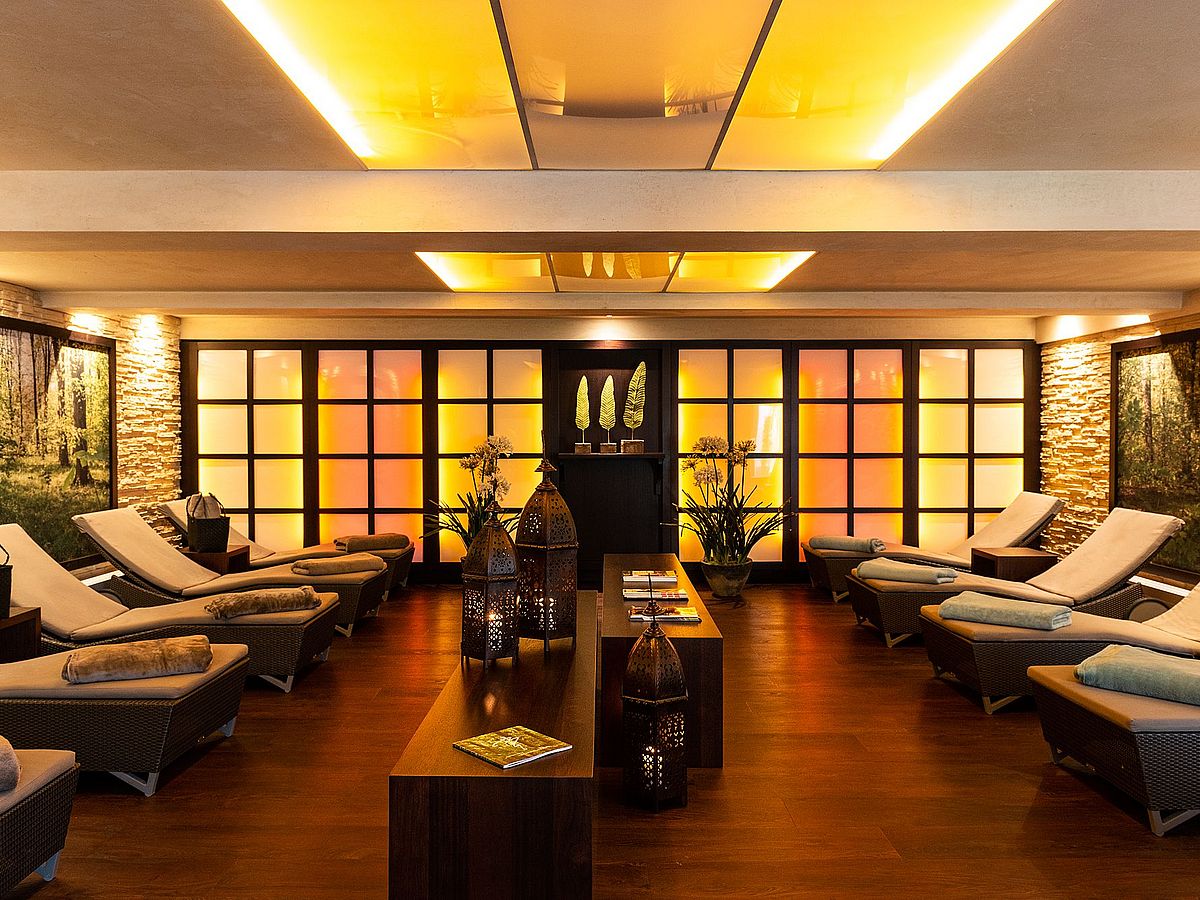
Address: Parkallee 299, 28213 Bremen, Germany
Website: munte-hotel.de
The Hotel Munte lies directly beside Bremen’s Stadtwald/Bürgerpark - a green, tranquil setting - but is still close to the University of Bremen campus. The university buildings can be reached on foot in approximately 10 minutes.
Please use the code "EMAC Fall 2026" when booking via phone or email. Unfortunately, when booking through the website, the code cannot be applied. Available until 5th August 2026.
EMAC Code of Conduct
Click here to download EMAC CODE OF CONDUCT
The European Marketing Academy (EMAC) reminds its members, participants, and stakeholders that all EMAC events are convened to share research, develop knowledge, and promote career development for all. The harassment of others, especially when there is an asymmetry of power (such as between a senior faculty member and junior colleagues, doctoral students, or conference staff), undermines the core goals of EMAC’s events and related activities and is inconsistent with our values. As such, EMAC considers harassment to be a severe form of professional misconduct. The following policy statements outline expectations for all those who attend or participate in EMAC events such as conferences, workshops, colloquia, and related activities. These norms are shared by respected academic organizations across the globe, and they reflect our common value of mutual respect in the course of knowledge creation within a diverse community.
EMAC strives to be a community of scholarship, providing a safe and welcoming environment for all participants in all activities during its events. Creating a supportive environment to enable scientific exchange and professional development at EMAC events is of utmost importance and the responsibility of all. It is, therefore, the policy of EMAC that all participants at its events and related activities should conduct themselves in a manner that is free from any form of harassment, intimidation, or retaliation based on age, ethnicity, national origin, political orientation, religion, language, sexual orientation, gender identity, gender expression, disability, health conditions, socioeconomic status, marital status, employment status or parental status (hereafter, simply harassment). “All participants” includes but is not limited to registered attendees, guests, staff, contractors, and exhibitors. Event-related “activities” include sessions, business meetings, receptions, social gatherings, and all other formal and informal interactions between participants during the event.
All participants at EMAC events are expected to:
- follow the norms of professional respect necessary to promote the conditions for free academic interchange.
- be proactive in speaking up to stop harassment of others if witnessed.
- alert event staff if they witness harassment, especially where asymmetries of power exist (i.e., where the harassed participants are not in an easy position to protect themselves).
Unacceptable behaviors can include a single intense and severe act or multiple persistent or pervasive acts that are demeaning, abusive, offensive, or create a hostile environment. Harassment includes unwanted sexual solicitation or physical advances; verbal or non-verbal conduct that is sexual; threatening, intimidating, or hostile acts; circulation of written or graphic material that denigrates or shows hostility towards an individual or group; and epithets, slurs, or negative stereotyping based on group identity.
Attendees are encouraged to immediately report instances of harassment during an event to the EMAC Executive Secretary, the EMAC President, or the person(s) chairing the ongoing event, either in person or by leaving a message for them at the event’s registration desk. EMAC reserves the right to take appropriate action to address violations of this Code of Conduct and retaliations against those who report inappropriate conduct. Reporting to EMAC does not constitute or replace notification to local law enforcement authorities of any violations of law.
Social Events
The social events are optional and have an extra cost per attendee. Please make sure to select the social events you want to attend when registering for the conference. It will not be possible to register for the social events during the conference.
- The social events have a number of available places. If the minimum number is not achieved, we will reimburse the attendees.
- Only one additional accompanying person for the social events is allowed.
- Co-authors cannot be included as an accompanying person for the social events.
- Some social events are kid-friendly. Please refer to each event for more information.

© Stadtgeschichten Bremen
© Stadtgeschichten Bremen
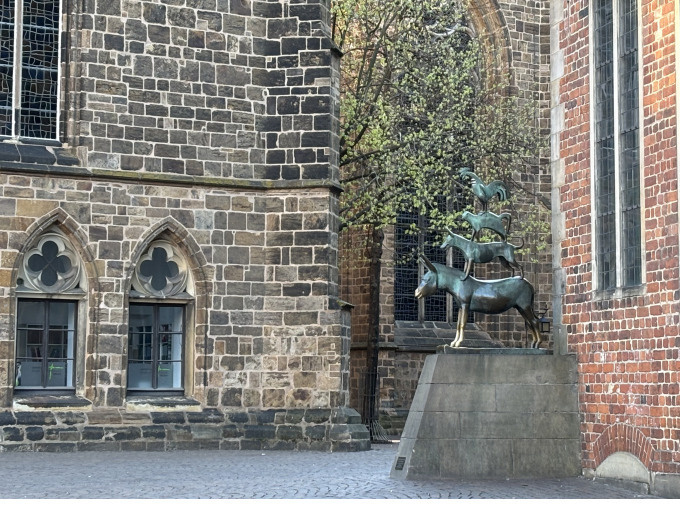
Discover Bremen’s historic Old Town on a guided walking tour through its most iconic landmarks. You will visit the famous Marktplatz with the UNESCO-listed Town Hall and the Roland statue, as well as the beloved Bremen Town Musicians. The tour also explores the Böttcherstraße, known for its mix of art, architecture, and local history. Wandering through the narrow streets of the medieval Schnoor district, you will learn stories and anecdotes that bring the city’s past to life. This tour is ideal for first-time visitors who want to experience Bremen’s cultural heart.
Time: Wednesday (16.09.26), 3pm / Friday (18.09.26), 6pm
Duration: 90 minutes
Cost: 15€

© Carsten Heidmann
© Carsten Heidmann
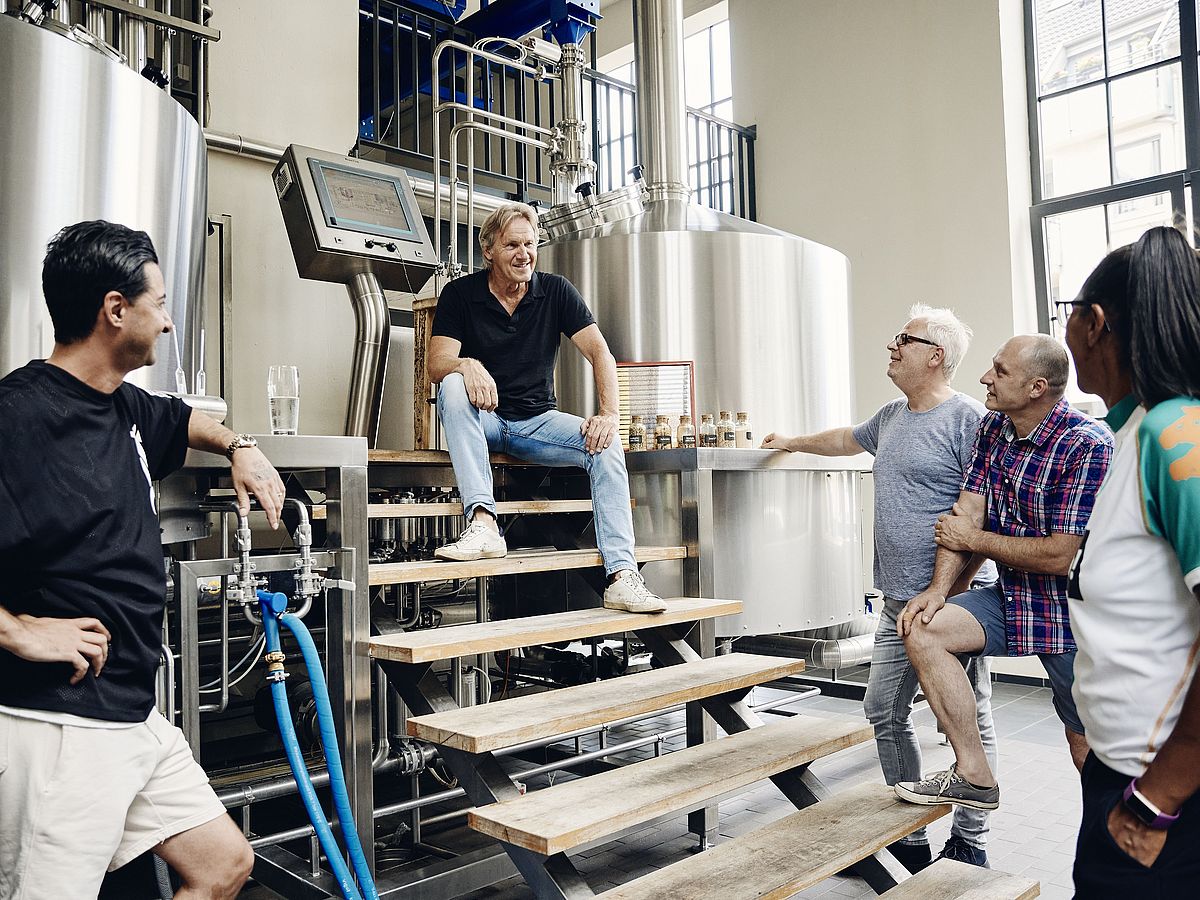
Experience Bremen’s modern craft beer culture with an exclusive tour of the UNION Brewery. A guide will lead you through the historic production rooms while explaining the brewing process and the philosophy behind the brewery’s craft beers. Participants can enjoy a tasting of four different UNION beers, each served as a 0.1-liter sample. This event is perfect for beer enthusiasts and anyone curious about local brewing traditions. The tour offers an engaging look into Bremen’s contemporary beer scene in a relaxed and enjoyable atmosphere.
Time: Wednesday (16.09.26), 3 pm
Duration: 75 minutes
Cost: 15€

© M3B GmbH Nicole Siemers

© M3B GmbH Nicole Siemers
Explore one of Germany’s most historic wine cellars with a guided tour of the Bremen Ratskeller. Home to centuries-old wine traditions, the cellar offers a fascinating glimpse into the city’s rich history of wine trade and storage. During the tour, participants will walk through atmospheric vaults and learn stories surrounding Bremen’s unique wine culture. A small wine tasting is included, allowing you to sample selected regional varieties. This atmospheric experience is ideal for wine lovers and history enthusiasts alike.
Time: Wednesday (16.09.26), 3pm / Friday (18.09.26), 6pm
Duration: 60 minutes
Cost: 18€

© Daniela Buchholz

© Daniela Buchholz
Join us for a hands-on lolly workshop in the heart of Bremen’s historic Schnoor district, one of the city’s most charming and oldest quarters. Participants will learn how traditional Bremen sweets are made and will create their own colorful lollies under expert guidance. The workshop offers a unique opportunity to experience a piece of local craftsmanship and take home a handmade treat. No previous experience is required, and all materials are provided. This interactive event is perfect for anyone interested in local culture, creativity, and sweets.
Time: Wednesday (16.09.26), 3 pm
Duration: 60 minutes
Cost: 18€
Contact
For submission issues only, please contact:
Anne-Laure Marteaux: almarteauxprotect me ?!emacprotect me ?!.academy
For any other issues, including registration-related, please contact:
Organizing committee: emac2026protect me ?!uni-bremenprotect me ?!.de